
Key Points
- The University of Wales Trinity Saint David (UWTSD) is leading the South Wales Robotics Adoption Hub, which will enable businesses to test robotics and automation technologies before committing to investment.
- The new hub will be based at UWTSD’s SA1 Innovation Quarter in Swansea and will serve businesses across South Wales.
- According to Kit Peters of Swansea Bay News, the initiative is designed to help companies identify where automation can deliver practical benefits rather than develop new robotics technologies.
- The UK Government has allocated £2 million to the Swansea hub as part of a £40 million programme supporting eight robotics adoption hubs across the UK.
- Manufacturing, energy, utilities and infrastructure are among the industries targeted, although businesses from other sectors can also access support.
- Support will include demonstrations, impartial assessments, test-before-invest trials, technical advice and introductions to technology suppliers, system integrators and finance.
- The partnership includes Avallan, Didactic Services, Majotech Partnership, Poet Systems, Promaterial, Sutro Group and Vodafone, with support from Omron, Boston Dynamics, ABB and TWI Wales.
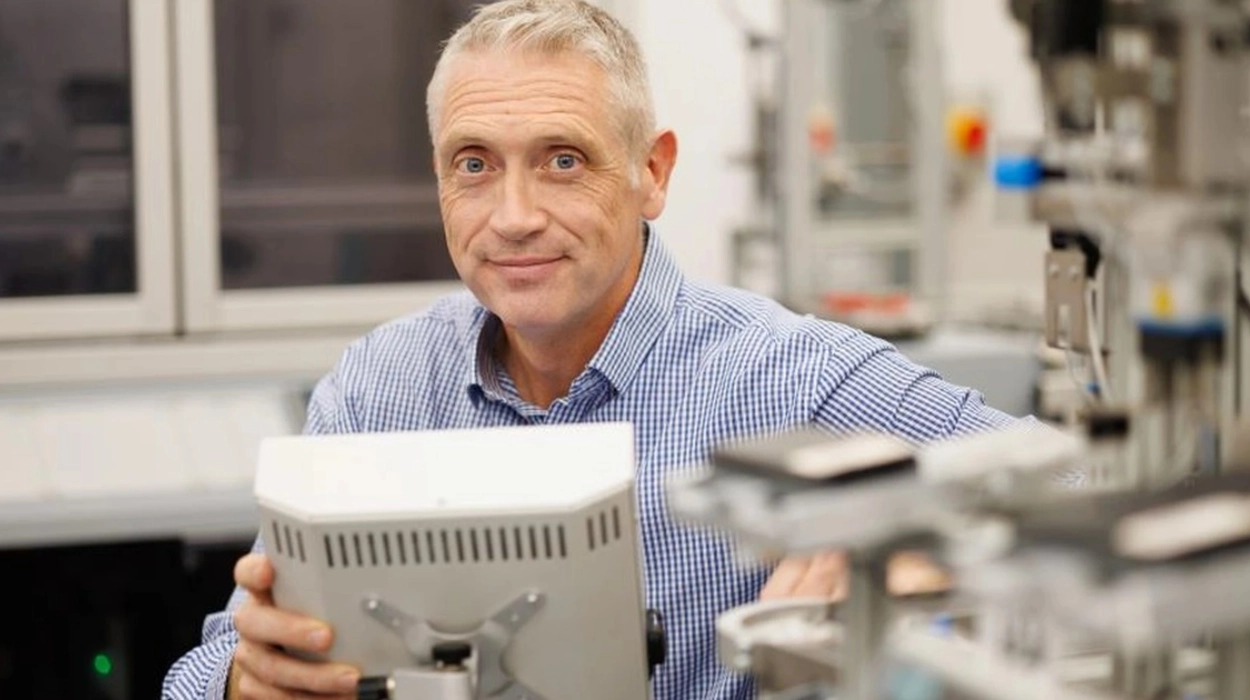
- Richard Morgan, assistant dean of UWTSD’s Faculty of Science and Art, is leading the hub.
- Students, apprentices and employees of participating businesses will have opportunities to train on industrial robots through university courses, degree apprenticeships and industry training.
- UWTSD Vice-Chancellor Professor Elwen Evans KC highlighted the role of universities in bringing academia, industry and technology partners together to address real-world challenges.
- Swansea West MP and pensions minister Torsten Bell said that improving productivity is essential for higher wages and a stronger economy.
- Government estimates cited by Swansea Bay News suggest that widespread adoption of robotics and automation could contribute £150 billion to the UK economy by 2035, compared with £6.4 billion at current adoption rates.
- Businesses interested in the initiative can contact the hub at roboticshub@uwtsd.ac.uk.
Swansea University Robotics Hub to Help Businesses Test Automation Before Investing
Businesses across South Wales will be able to trial robotics and automation technologies before committing to major purchases under a new initiative led by the University of Wales Trinity Saint David (UWTSD). The South Wales Robotics Adoption Hub will be based at the university’s SA1 Innovation Quarter in Swansea, providing companies with demonstrations, independent technical advice and opportunities to test potential solutions before investing.
As reported by Kit Peters, journalist and editor of Swansea Bay News, on 12 October 2026, the hub is backed by £2 million in UK Government funding and forms part of a wider £40 million programme establishing eight Robotics Adoption Hubs across the country. The initiative is intended to help businesses understand where automation can improve productivity, quality, safety and competitiveness without requiring them to develop robotics technology themselves.
The initiative brings together a university, technology providers and industry partners to address a practical challenge facing businesses: determining whether robotics is appropriate for their operations before committing financial and operational resources.
Richard Morgan, assistant dean of UWTSD’s Faculty of Science and Art, is leading the hub. He explained to Swansea Bay News that its purpose is not to develop new robotics technologies, but to help businesses identify where automation could add value, work directly with established technologies, validate potential solutions and obtain appropriate expertise before making investment decisions.
The programme is particularly relevant to manufacturing, energy, utilities and infrastructure, although the university says its services will be available to businesses from any industry where robotics could make a measurable difference.
What will the South Wales Robotics Adoption Hub offer businesses?
The hub will provide businesses with practical support to evaluate robotics and automation, helping them move from initial interest to informed investment decisions.
According to Kit Peters of Swansea Bay News, the services will include independent assessments of where automation could be useful, technology demonstrations, test-before-invest trials, specialist technical assistance and introductions to suppliers, system integrators and finance providers.
These services are designed to help companies examine the potential application of robotics in their existing operations rather than purchase equipment without first establishing its suitability.
For example, a manufacturer considering automated handling equipment could use demonstrations and technical advice to understand whether a particular solution addresses an operational requirement. The same principle could apply to businesses assessing automation for repetitive tasks, production processes or other activities where robotics might improve performance.
Such examples illustrate the potential applications of the hub’s services; they are not confirmed projects or trials announced by UWTSD.
The test-before-invest approach also provides a way for companies to assess proposed solutions before making a financial commitment. The hub’s independent advice is intended to help businesses identify appropriate technologies and understand where automation could deliver measurable benefits.
Morgan said that many businesses recognise the potential benefits of robotics but are uncertain about where to start. He stated that impartial advice and opportunities to test solutions before investing could help businesses improve productivity, quality, safety, resilience and long-term competitiveness.
For businesses evaluating investment proposals, these considerations extend beyond the purchase price of a machine. The suitability of a technology, its contribution to operational performance and the expertise required to implement it are also relevant to a sound investment decision.
The hub is intended to bring those considerations together by giving businesses access to technology, technical knowledge and potential commercial connections.
Why is Swansea receiving £2 million for robotics adoption?
The South Wales Robotics Adoption Hub is one of eight hubs announced by the UK Government as part of a £40 million programme supporting the adoption of robotics and autonomous technologies.
According to Swansea Bay News, Swansea West MP and pensions minister Torsten Bell said the Swansea hub had secured £2 million in government funding following a competitive bidding process. UWTSD describes the initiative as a multi-million-pound project.
The wider programme was announced by the UK Government on Friday, 9 October 2026. The Department for Business, Innovation and Skills, the Cabinet Office and the office of the responsible minister set out the initiative’s objective of providing businesses and public services with practical support to adopt robotics. The official announcement identifies productivity and economic growth as central aims.
The government-backed network is intended to address barriers that can prevent organisations from adopting technology, including gaps in knowledge about potential applications, implementation requirements and available expertise.
For Swansea, the investment establishes a regional point of access for companies seeking advice and practical experience with robotics. Rather than requiring every business to independently identify suppliers and assess technologies, the hub is intended to connect companies with relevant expertise and established solutions.
Bell, as quoted by Peters in Swansea Bay News, said: “Raising productivity is the key to higher wages and a stronger economy, and helping local businesses adopt the technologies shaping the next generation of manufacturing is how we get there.
His comments place the Swansea initiative within a broader economic objective: supporting businesses in adopting technologies that could strengthen operational performance and contribute to economic growth.
However, the announcement does not establish that every business using the hub will achieve a particular productivity improvement or financial return. Those outcomes will depend on the technologies selected, their suitability for individual operations and how successfully they are implemented.
Which companies and technology organisations are supporting the hub?
The South Wales Robotics Adoption Hub brings together several named industry partners and technology organisations.
UWTSD identified Avallan, Didactic Services, Majotech Partnership, Poet Systems, Promaterial, Sutro Group and Vodafone among the hub’s partners. Additional support is being provided by Omron, Boston Dynamics, ABB and TWI Wales.
The organisations form part of a partnership intended to connect businesses with robotics expertise, technology suppliers and relevant support.
Boston Dynamics and ABB are among the prominent names associated with the initiative. Their involvement was highlighted in the headline and introduction of Peters’s report in Swansea Bay News, alongside the participation of Vodafone and the other named organisations.
The university says the breadth of the partnership is one of the hub’s distinguishing features. Morgan highlighted the range of participating organisations when discussing what makes the initiative distinctive.
For businesses exploring automation, access to a range of partners can be useful because robotics adoption may involve several separate decisions. Companies need to identify an appropriate application, assess available technology, consider how it could work within existing operations and determine what specialist support may be required.
The hub’s planned introductions to suppliers and system integrators are intended to help businesses navigate those decisions. Its support also includes connections to finance providers, which may help companies explore potential funding routes for investment.
The announcement does not specify individual commercial agreements, supplier contracts or confirmed robotics purchases involving the named partners. Their involvement should therefore be understood in the context of the hub’s announced partnership and support arrangements.
Which industries could benefit from the Swansea robotics hub?
Manufacturing, energy, utilities and infrastructure are the principal industries identified by UWTSD, although the initiative is open to other sectors where robotics could deliver measurable benefits.
Manufacturing businesses are among the intended users because robotics can be considered for production and other industrial processes. The hub’s demonstrations and trials will allow businesses to explore established technologies and assess whether particular applications meet their requirements.
Energy and utilities businesses may also be interested in examining automation for relevant operational activities. Infrastructure organisations could similarly investigate whether robotics is appropriate for particular tasks, subject to the technical and operational requirements of each application.
These are potential areas of application rather than confirmed deployments announced by the university. The report does not identify specific companies that have already committed to using the hub or provide a list of robotics systems scheduled for installation.
The initiative’s broader remit means that eligibility is not limited to the industries named in the announcement. UWTSD says the hub is open to any industry where robots could make a measurable difference.
This approach allows the hub to support businesses according to their individual operational needs instead of restricting access to a single sector.
The practical objective is to help companies identify a genuine business requirement, evaluate suitable technologies, and establish whether adopting robotics is justified.
For organisations considering investment, this process also connects with Management, Project Management, Quality and Productivity, and Logistics and Supply Chain training, where relevant, because evaluating technology investments can involve operational planning, implementation decisions, process performance and supply-chain considerations.
How will the robotics initiative support training and workforce development?
The hub will also provide training opportunities for students, apprentices and employees of participating businesses.
According to Peters’s report, UWTSD intends for these groups to train on industrial robots through degree apprenticeships, university courses and industry training.
This training element links technology adoption with the development of practical skills. Businesses considering robotics need to evaluate not only the equipment itself but also the expertise required to use and integrate it into their operations.
Providing opportunities to work with industrial robots can help participants develop familiarity with the technologies involved. For businesses, access to relevant training may form part of the wider process of preparing employees for changes associated with automation.
The announcement does not specify the number of students or apprentices expected to participate, the full range of training courses available or the qualifications that will be awarded through the hub. Those details have not been confirmed in the published report.
UWTSD Vice-Chancellor Professor Elwen Evans KC welcomed the initiative as an example of collaboration between education and industry.
As quoted by Swansea Bay News, Evans said the project demonstrated “the vital role universities can play in bringing together academia, industry and technology partners to address real-world challenges”.
Her statement highlights the university’s role in connecting academic expertise with commercial requirements. In this case, the focus is on helping businesses understand and adopt established robotics technologies while providing opportunities for students and employees to develop relevant skills.
The combination of demonstrations, technical advice and training also gives the hub a role beyond simply showcasing equipment. Its stated purpose is to support businesses as they assess possible applications and prepare for informed adoption.
What could robotics adoption mean for UK productivity and economic growth?
The Swansea hub forms part of a national effort to increase the use of robotics and automation across the UK economy.
In its report, Swansea Bay News cited government estimates suggesting that robotics and automation could add £150 billion to the UK economy by 2035 if businesses fully adopted the technologies, compared with an estimated £6.4 billion at current adoption rates.
The UK Government’s 9 October announcement also highlighted the potential economic benefits of wider robotics adoption. Its programme is intended to give businesses and public services access to expert advice, tailored technology guidance and practical demonstrations.
The estimates describe potential economic benefits at a national level; they are not a forecast of the financial return from the Swansea hub alone.
The distinction is important because the economic contribution of robotics depends on adoption across businesses and sectors, rather than on the availability of technology alone. Companies must determine where automation is appropriate and whether the expected benefits justify the associated costs and operational changes.
The hub’s test-before-invest approach is intended to help businesses make those assessments with greater access to technical information and practical demonstrations.
Bell’s comments also connect productivity improvements with wages and economic strength. The underlying objective is to encourage companies to consider technologies that may help them improve performance and compete more effectively.
Whether these potential benefits materialise will depend on how businesses use the support available and whether suitable technologies can deliver improvements in individual operating environments.
Where will the other UK Robotics Adoption Hubs be located?
The Swansea project is part of a network of eight hubs announced under the government’s £40 million robotics adoption programme.
The official announcement of 9 October 2026 identifies the following initiatives:
- South Wales Robotics Adoption Hub: Led by UWTSD, providing independent advice, feasibility support, test-before-invest opportunities, industry connections, skills support and deployment assistance.
- Hwb Llwybr Roboteg Cymru (HLRC): A Welsh robotics pathway initiative intended to help manufacturers assess and adopt robotics, including investment readiness and finance support.
- HARVEST: Based in Lincoln, focusing on robotics adoption across agriculture and food production, including arable farming, fruit, vegetables and food manufacturing.
- SHARP : The National Surgical Robotic Adoption Hub: Focused on supporting the safe and effective adoption of surgical robotics.
- Greater Southwest Robotic Adoption Hub: Supporting businesses across the Greater Southwest through technical advice, industry connections and demonstrations.
- Milton Keynes Robotics Adoption Hub: Focused on robotics in public spaces, including service robotics, drones and self-driving vehicles.
- National Waste and Recycling Robotics Adoption Hub: Helping waste and recycling facilities explore robotics to recover more materials and reduce landfill.
- Yorkshire Robotics Adoption Hub: Providing vendor-neutral support to manufacturers through feasibility studies, business cases, demonstrations, deployment support and workforce training.
The network covers different applications and industries, reflecting the programme’s aim of supporting robotics adoption beyond a single market.
The South Wales hub’s focus on manufacturing, energy, utilities and infrastructure gives it a regional role within this wider programme, while the other initiatives address specific sectors or applications.
The government announcement also refers to a separate £1.7 million initiative, Accelerating UK Robotics Adoption the National Robotics Adoption Hubs Convening Body, known as AURA. Its purpose is to coordinate the network, share knowledge and support the wider impact of the programme.
The eight hubs and the national convening body are distinct elements of the wider initiative: the regional hubs will provide practical support to users, while the convening body is intended to help coordinate activity across the network.
How can businesses contact the South Wales Robotics Adoption Hub?
Businesses interested in exploring robotics and automation can contact UWTSD’s South Wales Robotics Adoption Hub directly.
Peters’s report in Swansea Bay News gives the contact email as roboticshub@uwtsd.ac.uk. The hub will be based at the university’s SA1 Innovation Quarter in Swansea.
Companies considering contact can explain their operational requirements and identify the activities they would like to investigate. The hub’s announced services include independent advice, demonstrations, trials, technical assistance and introductions to suppliers, integrators and finance providers.
Businesses should establish which services are available for their particular needs and discuss any practical arrangements directly with the university. The published report does not specify a full timetable for individual trials, eligibility conditions for every service or a detailed fee structure.
The initiative provides a route for companies across South Wales to investigate established robotics technologies before making purchasing decisions. It also brings together industry partners and training opportunities as part of a wider effort to support technology adoption.
For professionals involved in operational improvement, technology investment and implementation, Artificial Intelligence (AI), IT and Computer Science, Project Management, and Quality and Productivity may also be relevant areas of professional development, depending on their responsibilities and the technologies being assessed.
The immediate objective of the Swansea hub is practical: to help businesses identify suitable uses for robotics, test potential solutions, and make better-informed decisions about investment.