
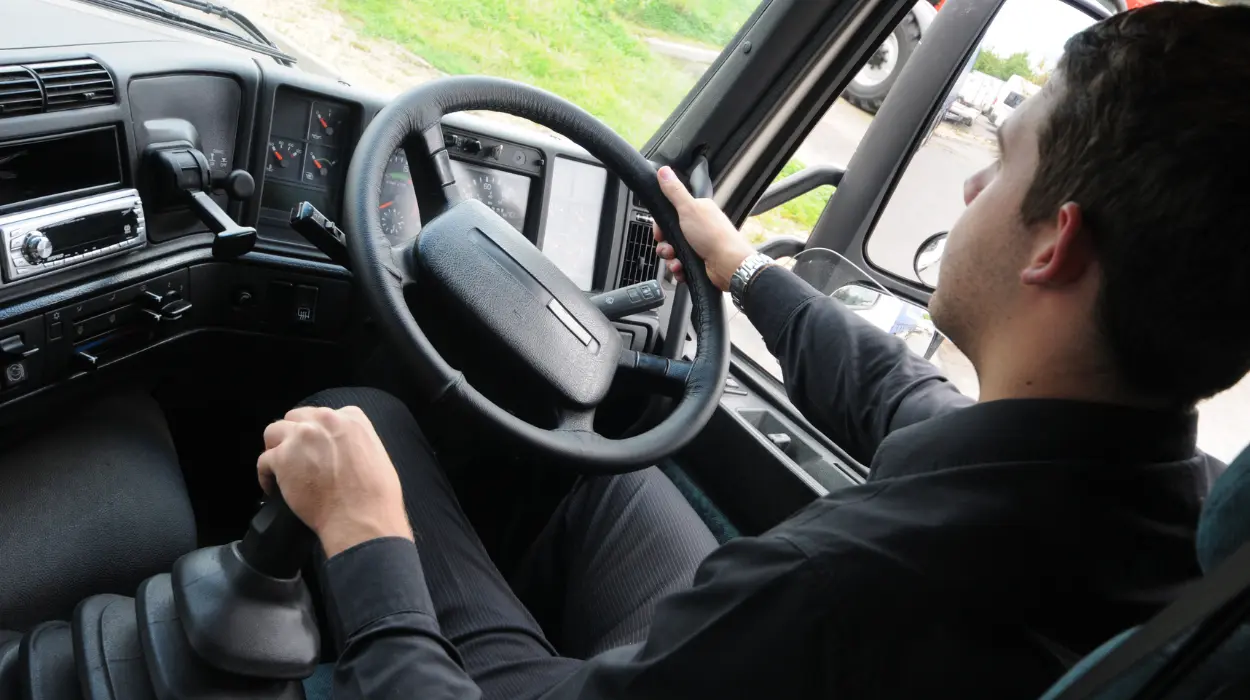
The demand for Heavy Goods Vehicle (HGV) drivers in the UK has skyrocketed in recent years due to booming logistics, retail, and construction sectors. If you are seeking a well-paid, stable career that offers independence and travel opportunities, becoming an HGV driver is a compelling choice. This blog will guide you through the complete process of obtaining your HGV licence, the training involved, eligibility requirements, and career prospects. A case study will illustrate how fast-tracking your training can lead to quick employment. For those interested, courses in London and other UK cities can be found via Oxford Training Centre’s city.
Why Choose an HGV Driving Career?
HGV drivers are central to the UK economy, ensuring that goods reach stores, factories, and homes efficiently. Recent industry reports reveal a severe shortage of qualified drivers, inflating wages and creating abundant job openings. Salaries for HGV drivers vary widely depending on experience, vehicle type, and sector, with averages ranging between £25,000 and £40,000 annually, and some specialized roles reaching over £60,000 per year.
HGV driving suits individuals who enjoy driving, managing responsibilities independently, and working in diverse environments. Many drivers also appreciate career progression into training, logistics management, or business ownership within the haulage sector.
Basic Eligibility for HGV Training
Before you begin your HGV training, ensure you meet the basic legal and health requirements:
- Age: You must be at least 18 years old to apply for a Category C (rigid vehicle) licence and 21 for Category C+E (articulated vehicles, i.e., trucks with trailers).
- Full UK Car Licence: Hold a valid full Category B driving licence (car licence).
- Medical Fitness: Pass the D4 medical examination, assessing your eyesight, cardiovascular health, and general physical condition to ensure safety standards.
- Provisional Licence Application: Complete and submit the D2 provisional HGV licence application form to the Driver and Vehicle Licensing Agency (DVLA), along with a recent passport photo and your medical D4 form.
- Digital Tachograph Card: Required to record driving hours once employed, but not needed before or during training.
The medical exam costs typically range from £50 to £120, with some specialist providers offering reduced rates.
Step-by-Step HGV Training and Licensing Process
Apply for your Provisional HGV Licence
After passing your medical, submit your provisional licence application to the DVLA. Processing takes about three weeks. Once approved, you can book your theory and hazard perception tests.
Pass the Theory and Hazard Perception Tests
- Theory Test: Consists of 100 multiple-choice questions on vehicle safety, road regulations, cargo handling, and fuel efficiency. A score of 85 or above is needed to pass.
- Hazard Perception Test: Requires identifying developing hazards in video clips, scoring at least 67 out of 100.
Complete Practical Training and Tests
Your practical training is split into two major parts:
- Driver CPC Module 3a (Off-road exercises): Tests your ability to manoeuvre vehicles safely, perform vehicle safety checks, and, if applicable, couple and uncouple trailers. This test is conducted in a controlled environment.
- Driver CPC Module 3b (On-road test): An hour-long road test evaluating your driving competence, use of mirrors, hazard awareness, and smooth vehicle control around varied traffic conditions.
Passing these tests grants you an HGV licence and the Driver CPC qualification, legally enabling you to drive professionally.
Fast-Track Training Options
Many training providers in London and the UK offer intensive and accelerated courses designed to help you gain your licence quickly and efficiently. These programs provide all necessary theory lessons, practical driving, and test bookings in structured blocks, sometimes with flexible scheduling to accommodate work or personal constraints.
Fast-track training could allow you to complete your licence within 3-6 weeks, though adequate prior driving experience and dedication to theory study are essential to success. Providers also often assist with job placement and apprenticeships post-certification.
Case Study: James Clarke’s Journey to Becoming an HGV Driver
James Clarke, a 24-year-old from Manchester, realized he wanted a career with better pay and autonomy after working retail. He enrolled in a fast-track HGV training course offered by a London-based provider.
Within a month, James successfully passed his theory, hazard perception, off-road, and on-road tests. His comprehensive training included simulated difficult driving scenarios, reversing practice, and regular feedback from instructors.
Upon qualification, James leveraged the Oxford Training Centre’s employment support services and secured a position with a regional logistics company. Within six months, he upgraded from rigid vehicles (Category C) to articulated trucks (Category C+E), earning a higher wage and expanding his driving skills.
James’s experience highlights how focused training, combined with professional support, can rapidly transform career prospects in the HGV sector.
Career Prospects and Progression
HGV driving offers a range of career advancement options:
- Specialist Driving Roles: Hazardous materials transport, refrigerated goods, or construction equipment.
- Training and Mentoring: Experienced drivers can become trainers or assessors for new drivers.
- Logistics Management: Many drivers transition to planning and operational roles within transport companies.
- Self-Employment: Owning or leasing trucks and contracting independently.
The sector also offers apprenticeship schemes and government-supported schemes like Skills Bootcamps to bolster training and employability.
Why Train in London? Why Oxford Training Centre?
London hosts some of the UK’s leading HGV training providers, including Oxford Training Centre, which offers a variety of courses tailored to fast-track licences and career support. Training in London provides access to:
- Experienced instructors familiar with DVSA requirements.
- Modern training facilities with simulators and off-road testing areas.
- Networking and job placement support within the capital’s logistics industry.
- Flexible learning options including intensive and part-time courses.
To explore available HGV courses in London and other cities, visit oxfordcentre.uk/city.
Conclusion and Call to Action
Obtaining your HGV licence in the UK is an achievable and worthwhile goal given the high demand for qualified drivers. Fast-tracking your training through accredited providers like Oxford Training Centre can shorten the path to gaining your licence and entering a rewarding career.
Ready to start your journey to becoming a professional HGV driver? Explore HGV training options and book your course today at Oxford Training Centre and take the wheel of your new career.