
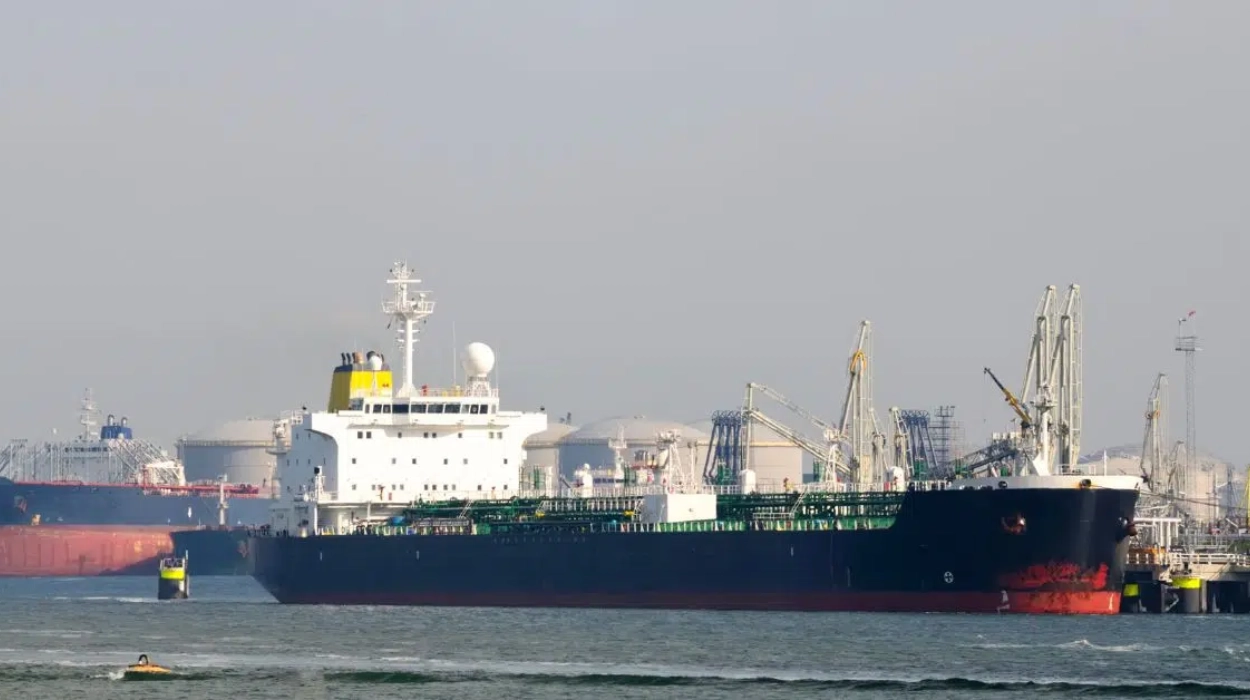
Key Points
- A.P. Moller-Maersk will increase its emergency fuel surcharge on inland transport in the UK and Ireland to 20% from 12 October 2026, according to Zahra Ahmed of Marine Insight in a report published on 9 October 2026.
- The increase comes amid rising energy prices linked to the US-Iran war and the Russia-Ukraine conflict, which have placed additional pressure on inland and intermodal transport operations.
- Maersk attributed the surcharge decision to soaring fuel prices, stating that continuing operations at previous prices had become unfeasible.
- The company said the emergency surcharge would be reviewed regularly and could be revised if fuel prices fluctuated.
- Maersk had maintained its UK intermodal fuel fee for road and rail transport at 10.6% from 1 October 2026, following an advisory issued on 18 September 2026.
- Disruptions associated with the conflict around the Strait of Hormuz have intensified concerns about global energy supplies. The waterway handles approximately one-fifth of the world’s oil and gas, according to Marine Insight.
- Maersk has introduced emergency inland fuel and energy surcharges in other European markets, with reported rates of 14% in Denmark and 20% in Estonia for inland Store Door shipments.
- The development highlights the exposure of transport and logistics businesses to fuel-price volatility, international conflict and changes in operating costs.
What Is Changing in Maersk’s UK and Ireland Inland Fuel Surcharge?
A.P. Moller-Maersk is increasing its emergency inland fuel surcharge to 20% from 12 October 2026, reflecting the rising cost of fuel amid disruptions to global energy supplies. The adjustment affects inland transport services in the UK and Ireland and forms part of the company’s response to higher operating costs.
As reported by Zahra Ahmed of Marine Insight on 9 October 2026, the Danish shipping and logistics group said soaring fuel prices had made it unfeasible to continue operating at previous prices. The company also confirmed that the surcharge could change as fuel prices fluctuate and would be reviewed regularly.
The announcement comes as international shipping and logistics businesses face uncertainty over fuel availability and transportation costs. Conflict in the Middle East, alongside the continuing Russia-Ukraine conflict, has contributed to pressure on global energy markets.
Reuters also reported on 8 October 2026 that Maersk planned to introduce the 20% emergency surcharge from 12 October. Its report highlighted that the charge concerns inland transport operations rather than all export collections and import deliveries across the company’s entire service portfolio. The precise application depends on the affected services and relevant customer arrangements.
The increase is separate from the intermodal fuel fee that Maersk had already set for UK truck and rail transport. Distinguishing between these charges is important because customers may encounter different fees depending on the transport service and applicable pricing terms.
Why Is Maersk Increasing Its Fuel Surcharge?
The principal reason for the increase is the sharp rise in fuel costs associated with disruption to international energy supplies.
According to Zahra Ahmed of Marine Insight, the US-Iran war has put pressure on global energy supplies, with ships affected by the situation around the Strait of Hormuz. The publication notes that the strategic waterway handles approximately one-fifth of the world’s oil and gas.
The Strait of Hormuz is an important route for energy shipments from the Gulf. Disruption in the area can affect the availability and movement of oil, influence prices and create uncertainty for businesses that depend on fuel-intensive transportation.
For logistics operators, higher fuel prices can increase the cost of road haulage, rail services and other inland movements connected with international freight. Companies that collect cargo from customers, transfer it to ports or deliver imported goods inland may consequently face higher operating expenses.
Maersk has linked its pricing adjustments to the need to maintain service continuity, protect cargo and secure sufficient transport capacity across its network. In its 18 September 2026 UK intermodal fuel fee advisory, the company said rising global energy prices and the evolving security situation in the Middle East were putting pressure on logistics and intermodal transport markets.
The Russia-Ukraine conflict is another factor identified in the Marine Insight report. Although the two conflicts have different geographical and political circumstances, both form part of the wider international environment affecting energy prices and transport costs.
Maersk’s decision therefore reflects an immediate commercial response to higher fuel expenses rather than a permanent change in its entire inland transport pricing structure.
How Does the New Surcharge Compare With Maersk’s Existing UK Fuel Fee?
The new 20% emergency surcharge should be distinguished from the intermodal fuel fee that Maersk had already announced for the UK.
In an advisory dated 18 September 2026, Maersk confirmed that its UK intermodal fuel fee for trucks and railways would remain at 10.6% from 1 October 2026. The company stated that the fee would be reviewed monthly and that further adjustments might be necessary if energy market conditions changed.
The two announcements concern fuel-related charges, but they should not automatically be treated as the same fee.
| Pricing measure | Reported position |
| Emergency inland fuel surcharge | Increasing to 20% from 12 October 2026 |
| UK intermodal fuel fee | 10.6% for truck and rail transport from 1 October 2026 |
| Review arrangements | The emergency surcharge may be revised as fuel prices fluctuate; the existing UK intermodal fee was subject to monthly review |
The distinction matters for businesses calculating transport expenditure. The applicable charge depends on the particular service, the relevant customer agreement and the terms of the relevant Maersk notice. The available reports do not establish that every customer will pay both charges on the same movement.
Businesses using Maersk’s inland and intermodal services should therefore examine the applicable pricing notices and confirm the treatment of their shipments with their account managers.
How Are Other European Markets Affected by Fuel Surcharges?
Maersk’s response extends beyond the UK and Ireland. The company has also introduced emergency inland fuel and energy surcharges in other European markets as it responds to changing fuel costs.
According to Zahra Ahmed of Marine Insight, the reported rates for inland Store Door shipments included 14% in Denmark and 20% in Estonia.
A Maersk advisory published on 6 October 2026 provides further detail on the Nordic regional measures. The notice listed the following rates for affected Store Door shipments from 7 October:
- Denmark: 14%.
- Sweden: 10%.
- Norway: 0%.
- Finland: 7%.
- Lithuania: 5%.
- Latvia: 16%.
- Estonia: 20%.
The company said these emergency inland fuel and energy surcharges would apply until further notice and that the percentages would be updated weekly if changes were required. It also stated that electric truck and rail solutions were not affected by that particular Nordic measure at the time of the announcement.
These figures demonstrate that Maersk’s regional pricing adjustments are not uniform. Different markets have different reported rates, and the applicable charge depends on the location and service concerned.
The Nordic notice should not be interpreted as confirmation that the same rates or exemptions apply to UK and Irish shipments. Those services are governed by their own applicable announcements and customer terms.
For companies operating across several European countries, the changes make it important to monitor regional pricing notices rather than assume that a single surcharge applies throughout the network.
What Could the Increase Mean for UK and Irish Businesses?
The higher surcharge could affect businesses that rely on inland transportation to move goods between warehouses, factories, distribution centres, ports and customers.
For importers, inland transport is often one component of the total cost of bringing products into a market. A change in the applicable fuel surcharge may increase the cost of moving goods from ports to storage facilities or final destinations, depending on the transport arrangement.
Exporters may also need to account for changes to the cost of moving cargo from production sites or warehouses to ports. Manufacturers, wholesalers and retailers that use external logistics providers may consequently need to reassess transport budgets and shipment-level cost calculations.
However, the 20% rate should not be interpreted as a 20% increase in every customer’s total logistics expenditure. A surcharge is applied according to the relevant pricing terms, and its financial effect depends on the underlying charge and the services covered.
For example, a fuel surcharge calculated against an eligible inland transport charge would affect that component of the transport bill, not necessarily the entire value of the goods, the ocean freight charge or the full cost of the supply chain.
Businesses should also distinguish between direct charges imposed by a transport provider and any subsequent commercial decisions made by suppliers, distributors or retailers. The announcement alone does not establish whether companies will absorb the additional cost, renegotiate their contracts or pass some of it on to customers.
The development places renewed emphasis on Logistics and Supply Chain planning, particularly when businesses assess transport costs, supplier arrangements, delivery schedules and the financial implications of changing fuel prices. Effective cost management requires companies to understand which charges apply to each movement and how those charges affect their wider operating budgets.
Will Maersk Review the Emergency Fuel Surcharge?
Yes. Maersk has said that the emergency fuel surcharge may be revised if fuel prices fluctuate and that it will be reviewed regularly.
The company has not presented the 20% rate as an unchangeable, permanent charge. Instead, the announcement links the adjustment to a volatile energy market in which the cost of maintaining inland transport services may change as conditions develop.
Regular reviews provide a mechanism for adjusting pricing when the costs underlying the surcharge change. However, the available announcement does not specify a fixed end date for the UK and Ireland emergency surcharge or confirm when the next revision will take place.
Customers should therefore rely on subsequent Maersk notices and their applicable contractual terms for updates. A future reduction, increase or withdrawal should not be assumed until the company confirms a change.
Maersk’s earlier UK intermodal advisory also warned that further adjustments could be required as market conditions evolved. That notice explained that the company was implementing temporary, cost-reflective energy and fuel price adjustments to support service continuity, cargo integrity and transport capacity.
For freight customers, the practical implication is that fuel-related costs may need to be monitored throughout the period of market uncertainty rather than treated as a fixed element of transport expenditure.
What Is Maersk’s Position in the Global Shipping and Logistics Industry?
A.P. Moller-Maersk operates across ocean shipping, inland logistics and terminal operations. According to the Marine Insight report, the Copenhagen-based company serves more than 100,000 customers, operates in approximately 130 countries and employs more than 100,000 people. Its international network includes more than 60 container hubs.
Marine Insight
This international footprint means that changes in energy prices can have implications across multiple parts of its business. Ocean freight, port handling, inland transportation and distribution involve different operating requirements, although the precise exposure to fuel costs varies by service.
The UK and Ireland surcharge announcement concerns inland transport and should not be confused with a blanket increase in all Maersk services or ocean freight rates. Its significance lies in the company’s decision to adjust a particular part of its transport pricing in response to higher fuel costs.
For customers, the announcement reinforces the importance of understanding the separate elements of international freight. Ocean transportation, terminal operations and inland delivery may be priced under different arrangements, and a change affecting one element does not automatically establish a corresponding change in the others.
Businesses managing complex transport networks may need to review supplier communications, maintain accurate records of applicable surcharges and evaluate how fuel-related adjustments affect individual routes and contracts.
What Happens Next for Maersk’s Inland Transport Customers?
The new emergency surcharge is scheduled to take effect on 12 October 2026. Its subsequent direction will depend, in part, on developments in fuel prices and the international energy environment.
For UK and Irish customers, the immediate priority is to establish which inland transport services fall within the revised charge and how it interacts with existing pricing arrangements. Businesses should consult the relevant customer notices and confirm any uncertainties directly with Maersk.
The company has stated that the surcharge will be reviewed regularly, but no fixed end date or guaranteed future rate has been established in the available reporting.
The wider implications will depend on how energy markets develop and how logistics providers respond to changes in their operating costs. The announcement does not establish the extent to which any additional expense will ultimately be borne by transport customers or passed further through supply chains.
For businesses overseeing freight budgets, supplier contracts and distribution operations, the development underlines the value of monitoring transport pricing and maintaining contingency plans for variable operating costs. Relevant Management, Accounting, Finance and Budgeting, and Logistics and Supply Chain expertise can help professionals assess cost exposure, interpret contractual charges and plan for changes in transportation expenditure.