
Key Points
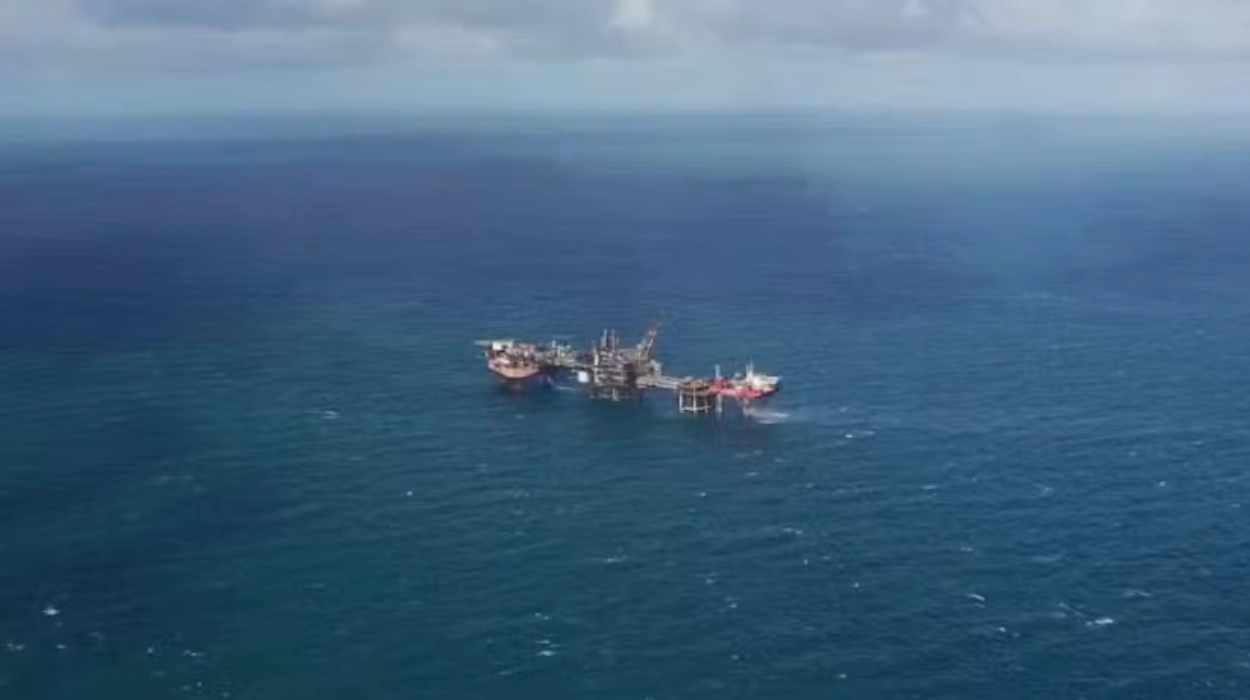
- Eni CCUS Holding has completed installation of the new Douglas CCS platform in Liverpool Bay, marking a major construction milestone for the Liverpool Bay carbon capture and storage project.
- Eni CCUS Holding is jointly owned by Eni and Global Infrastructure Partners (GIP), which is part of BlackRock.
- The Douglas CCS platform is described by Eni as the world’s first purpose-built offshore platform dedicated to carbon capture and storage for industrial decarbonisation.
- The platform will serve as the offshore hub of the Liverpool Bay carbon dioxide Transportation and Storage system, which forms the backbone of the HyNet industrial decarbonisation cluster.
- Carbon dioxide captured from industrial facilities across North West England and North Wales is expected to be transported through existing offshore pipelines that will be repurposed for CO₂ transportation.
- The CO₂ will then be transported to depleted natural gas reservoirs for permanent storage.
- The Douglas CCS platform consists of a 1,885-tonne topside, a 1,755-tonne supporting jacket and eight foundation piles with a combined weight of 730 tonnes.
- Eni said the platform was delivered in less than 18 months from contract award under an accelerated programme integrating engineering, procurement, construction and commissioning.
- The wider Liverpool Bay CCS construction programme is now approximately 50% complete.
- About 60% of the project’s overall investment expenditure is being delivered through UK-based supply chains, according to Eni.
- Eni said construction of the project is supporting more than 2,000 jobs, with approximately 200 to 300 long-term roles expected over more than 25 years of operation.
- The project is part of Eni CCUS Holding’s wider strategy to develop CO₂ transportation and storage infrastructure for industrial decarbonisation at scale.
Eni CCUS Holding has completed the installation of the Douglas carbon capture and storage platform in Liverpool Bay, representing a significant construction milestone for the UK’s HyNet industrial decarbonisation cluster. According to Oil & Gas Journal’s report published on 8 October 2026, the platform is designed to receive carbon dioxide captured from industrial facilities in North West England and North Wales and route it through repurposed offshore pipelines towards depleted natural gas reservoirs for permanent storage. Eni said the wider Liverpool Bay CCS network is now approximately halfway through construction.
What has Eni CCUS Holding completed at Liverpool Bay?
Eni CCUS Holding has completed the installation of the new Douglas CCS platform in Liverpool Bay, offshore the United Kingdom. The development is part of the Liverpool Bay carbon dioxide Transportation and Storage project, which is intended to provide infrastructure for the HyNet industrial decarbonisation cluster.
As reported by Oil & Gas Journal on 8 October 2026, the installation is an important stage in the development of the Liverpool Bay CCS network. Oil & Gas Journal’s article does not display an individual author byline and therefore this report attributes the article to Oil & Gas Journal rather than assigning an author who is not identified by the publication.
Eni CCUS Holding said the Douglas CCS platform is the first purpose-built offshore platform dedicated to carbon capture and storage for industrial decarbonisation in the world. That description is an Eni statement and is therefore attributed to the company rather than presented as an independently verified assessment.
The platform is being developed to function as the offshore hub of the Liverpool Bay Transportation and Storage system. Its role will be to receive captured CO₂ from industrial facilities before transferring the gas through the project’s transportation infrastructure towards permanent storage locations.
The announcement comes as the wider Liverpool Bay CCS development moves through its construction phase. Eni said the overall network is now approximately 50% complete.
How will the Douglas CCS platform transport carbon dioxide?
The Douglas CCS platform is designed to collect CO₂ captured from industrial facilities across North West England and North Wales.
According to Eni CCUS Holding, the carbon dioxide will be transported to the offshore platform and then distributed through a network of existing offshore pipelines. Those pipelines are being repurposed for CO₂ transportation rather than being used in their previous roles associated with natural gas infrastructure.
The transported CO₂ will ultimately be directed to depleted natural gas reservoirs beneath Liverpool Bay for permanent storage.
This approach combines newly constructed infrastructure with existing offshore assets. Eni said the combination allows the Liverpool Bay CCS project to make use of existing infrastructure and knowledge of depleted reservoirs.
Oil & Gas Journal similarly reported that the Douglas CCS platform will operate as the offshore hub of the Liverpool Bay Transportation and Storage system. The publication reported that the project will transport CO₂ from industrial infrastructure across North West England and North Wales through repurposed offshore pipelines to depleted natural gas reservoirs.
Offshore Energy, in a report by Nadja Skopljak, Managing Editor, also reported on 8 October that the platform would serve as the hub of the Liverpool Bay system. Skopljak reported that the wider project will combine purpose-built and repurposed infrastructure, including existing pipelines and offshore structures.
What are the main specifications of the Douglas CCS platform?
The Douglas CCS platform has been constructed as a substantial offshore facility comprising several major structural components.
Eni said the platform includes topside facilities weighing 1,885 tonnes. The supporting jacket structure weighs a further 1,755 tonnes.
The platform is secured to the seabed by eight foundation piles with a combined weight of 730 tonnes.
The figures were also reported by Oil & Gas Journal and Offshore Energy. Offshore Energy’s Nadja Skopljak reported the same principal structural specifications, while Oil & Gas Journal described the platform as consisting of a 1,885-tonne topside, a 1,755-tonne jacket and eight foundation piles with a combined weight of 730 tonnes.
The installation therefore represents a major offshore construction operation involving the positioning and securing of a purpose-built CCS facility in Liverpool Bay.
Eni said the platform was delivered in less than 18 months from the award of the contract. The company attributed the delivery period to an accelerated programme integrating engineering, procurement, construction and commissioning activities.
How quickly was the Douglas CCS platform delivered?
Eni CCUS Holding said the Douglas CCS platform was delivered in less than 18 months following the contract award.
The company said the accelerated programme brought together engineering, procurement, construction and commissioning as part of an integrated delivery process.
Oil & Gas Journal reported the same delivery period, stating that the platform was delivered in less than 18 months from contract award under an accelerated programme covering engineering, procurement, construction and commissioning.
Offshore Energy’s Nadja Skopljak also reported that Eni had completed the facility through an accelerated integrated engineering, procurement, construction and commissioning programme.
The rapid delivery is relevant to the wider development because the Douglas platform is one component of a larger network that must be completed before the Liverpool Bay CCS system can operate as an integrated transportation and storage network.
How much of the Liverpool Bay CCS project has been completed?
The wider Liverpool Bay CCS construction programme is approximately 50% complete, according to Eni CCUS Holding.
Oil & Gas Journal reported that the installation of Douglas CCS forms part of a broader construction programme across the Liverpool Bay CCS network and that the overall project is now about halfway complete.
The completion of the platform therefore does not represent the completion of the entire Liverpool Bay CCS project. Other elements of the transportation and storage network remain under construction and development.
The project’s infrastructure model combines newly constructed facilities with existing offshore infrastructure. Eni has said that existing offshore pipelines will be repurposed to transport CO₂, while additional infrastructure is being developed to connect industrial facilities with the Liverpool Bay transportation and storage network.
Offshore Energy reported that the wider development is expected to reuse more than 75 miles of existing pipelines, three offshore structures and an onshore treatment plant, alongside 21 miles of new pipeline connecting industrial facilities across the region with the Liverpool Bay transportation and storage network.
What role will the project play in the HyNet industrial cluster?
Liverpool Bay CCS is intended to provide the carbon dioxide transportation and storage infrastructure supporting the HyNet industrial decarbonisation cluster.
Eni describes the Liverpool Bay Transportation and Storage system as the backbone of the HyNet cluster. The system is designed to connect industrial emitters in North West England and North Wales with offshore CO₂ transportation and permanent storage facilities.
The development therefore involves more than the construction of an individual offshore platform. It forms part of a wider network linking industrial facilities, pipelines, offshore infrastructure and geological storage locations.
The project’s transportation and storage infrastructure is intended to enable industrial facilities to capture carbon dioxide and send it into a dedicated network rather than releasing it into the atmosphere.
Eni said Liverpool Bay CCS forms part of Eni CCUS Holding’s broader portfolio of carbon capture and storage initiatives and its strategy to develop CO₂ transportation and storage infrastructure capable of supporting industrial decarbonisation at scale.
What is the project’s expected storage capacity?
The Liverpool Bay CCS project has previously been described by Eni as having an initial storage capacity of 4.5 million tonnes of CO₂ per year, with the potential to increase to 10 million tonnes annually during the 2030s.
In its May 2026 financing announcement, Eni said the project was expected to become operational in 2028, in line with the anticipated timeline of industrial emitters within the HyNet cluster.
Eni said the CO₂ would be permanently stored in depleted gas reservoirs beneath the seabed of Liverpool Bay.
The May financing announcement also stated that more than 30% of construction works had been completed at that stage. The latest October announcement places the wider construction programme at approximately 50% complete, indicating further progress since the earlier update.
How is the project using existing offshore infrastructure?
A central feature of the Liverpool Bay CCS development is the combination of newly constructed infrastructure and assets that already exist.
Eni said existing offshore pipelines will be repurposed for CO₂ transportation. The project will also draw on existing offshore assets and knowledge associated with depleted natural gas reservoirs.
This approach is intended to allow infrastructure developed for earlier offshore activities to be used as part of the carbon capture and storage network.
Offshore Energy reported that the Liverpool Bay project will reuse more than 75 miles of existing pipelines, three offshore structures and an onshore treatment plant. The publication also reported plans for 21 miles of new pipeline connecting industrial facilities across the region with the Liverpool Bay transportation and storage network.
The combination of new construction and asset reuse is therefore a central element of the project’s infrastructure design.
How many jobs and UK supply-chain opportunities are linked to the project?
Eni said approximately 60% of the overall project expenditure from the investment is being delivered through UK-based supply chains.
The company said the project is supporting more than 2,000 jobs during construction. It also expects the completed project to support approximately 200 to 300 long-term roles over more than 25 years of operation.
These figures highlight the project’s economic dimension alongside its role as carbon transportation and storage infrastructure.
Oil & Gas Journal reported Eni’s figures on UK-based supply chains and employment, while Eni’s own announcement stated that around 60% of overall project expenditure is being delivered through UK supply chains.
The construction programme therefore involves companies and workers across the engineering, procurement, construction, offshore infrastructure and wider industrial supply chains.
Who owns Eni CCUS Holding?
Eni CCUS Holding is jointly owned by Eni and Global Infrastructure Partners.
Global Infrastructure Partners, commonly known as GIP, is part of BlackRock.
Eni and GIP established their strategic partnership around Eni’s carbon capture and storage portfolio. In December 2025, Eni announced that GIP had completed the acquisition of a 49.99% stake in Eni CCUS Holding, with Eni and GIP retaining joint control.
The company operates through projects including Liverpool Bay and Bacton in the United Kingdom and L10-CCS in the Netherlands. Eni CCUS Holding also has the right to acquire Eni’s 50% interest in the Ravenna CCS project in Italy.
The Liverpool Bay development is therefore one element of a broader CCS portfolio rather than an isolated project.
What is the wider significance of the Liverpool Bay CCS development?
Eni CCUS Holding has positioned Liverpool Bay CCS as a key component of its strategy to develop CO₂ transportation and storage infrastructure for industrial decarbonisation.
The company described carbon capture and storage as a mature technological process and as an important tool for industries whose emissions are difficult to eliminate through other measures.
Those descriptions are Eni’s stated position and should be understood as company claims rather than an independent assessment.
The development also represents an example of how offshore oil and gas infrastructure, including depleted gas reservoirs and existing pipelines, can be incorporated into emerging carbon transportation and storage networks.
With the Douglas platform now installed and the wider Liverpool Bay CCS network approximately 50% complete, the project has moved further towards its planned operational phase.
For businesses and professionals working across Oil and Gas, the project illustrates the changing role of offshore infrastructure as companies develop carbon transportation and storage systems alongside conventional energy operations. The engineering, construction and infrastructure requirements also connect directly with Construction and Civil Engineering, particularly in relation to large-scale offshore structures, foundations, pipelines and integrated industrial projects.
What happens next for Liverpool Bay CCS?
The installation of the Douglas CCS platform is one milestone within the broader Liverpool Bay CCS construction programme. Eni said the network is approximately 50% complete, meaning substantial construction and integration work remains before the full transportation and storage system can become operational.
The next stages will involve continuing construction across the network, integrating the newly installed platform with the transportation infrastructure and completing the facilities required to connect industrial emitters with permanent offshore storage.
Eni’s May 2026 financing announcement said Liverpool Bay CCS was expected to become operational in 2028, corresponding with the expected timeline of industrial emitters in the HyNet industrial cluster.
The project will ultimately be intended to receive captured CO₂ from industrial facilities in North West England and North Wales, transport it through dedicated infrastructure and store it permanently in depleted gas reservoirs beneath Liverpool Bay.
The completion of the Douglas CCS platform therefore marks a construction milestone rather than the end of the project. With approximately half of the wider network now complete, Eni CCUS Holding continues to develop the infrastructure required for the Liverpool Bay CCS system and its role within the HyNet industrial decarbonisation cluster.