
In today’s fast-paced and technology-driven business environment, organizations are increasingly responsible for delivering large-scale, multi-functional, and high-stakes projects. These initiatives often involve multiple teams, diverse stakeholders, tight deadlines, and significant resource investments. Managing such complexity using traditional methods is no longer sufficient. As a result, digital project management platforms have become essential tools for ensuring coordination, transparency, and performance.
Integrated digital solutions are transforming how projects are planned, executed, monitored, and evaluated. By combining data, communication, and workflows into unified systems, organizations can enhance control and responsiveness while reducing operational risks. This article explores how integrated project management systems support professionals in managing complex projects digitally and achieving sustainable success.
Understanding the Nature of Complex Project Management
Complex projects are characterized by multiple interdependent tasks, diverse teams, extensive documentation, and evolving requirements. These projects often span departments, regions, and even countries, increasing the challenges associated with coordination and communication.
Traditional project management approaches that rely on spreadsheets, email chains, and isolated software tools frequently result in fragmented information and delayed decision-making. In contrast, complex project management tools offer centralized environments that integrate planning, execution, and reporting functions.
By leveraging enterprise project management software, organizations can gain holistic visibility into project performance, resource utilization, and risk exposure.
The Role of Digital Project Management Platforms
Digital project management platforms serve as centralized hubs that consolidate project data, workflows, and collaboration tools. These platforms enable teams to manage schedules, budgets, documentation, and communication within a unified interface.
Integrated project management systems eliminate data silos by ensuring that all stakeholders access consistent, real-time information. This transparency improves accountability and supports proactive management.
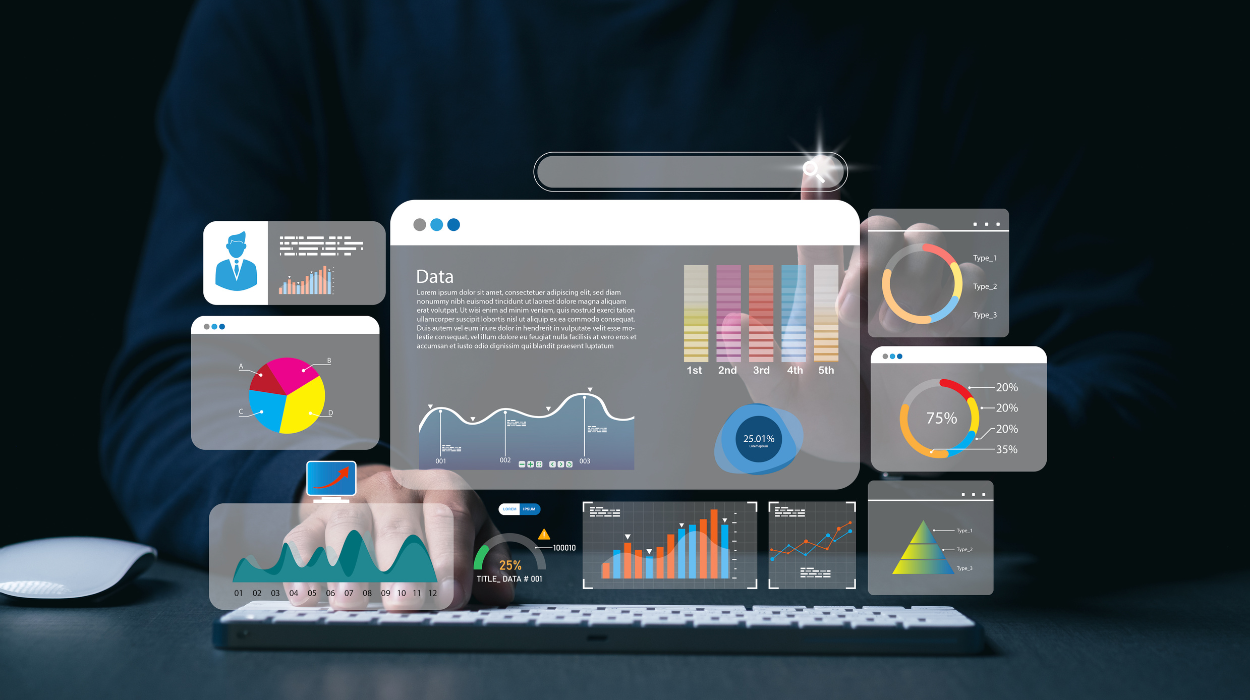
Modern project management dashboards present key performance indicators, milestones, and progress metrics visually, enabling managers to identify issues quickly and take corrective action.
Centralized Project Systems for Enhanced Control
One of the primary benefits of centralized project systems is improved governance. By housing all project-related information in one environment, organizations establish standardized processes and reporting structures.
Centralized project systems reduce duplication, minimize errors, and enhance compliance with organizational policies. They also support audit readiness by maintaining accurate records of decisions, changes, and approvals.
When managing multi-team projects online, centralized platforms ensure that everyone works from the same data sources, fostering alignment and consistency.
Supporting Multi-Project and Multi-Team Management
Many organizations oversee multiple projects simultaneously, often with shared resources and overlapping objectives. Managing such portfolios manually is highly inefficient and error-prone.
Multi-project management tools enable leaders to monitor dependencies, allocate resources effectively, and balance workloads across initiatives. These platforms provide portfolio-level insights that support strategic prioritization.
By integrating collaboration software projects within digital platforms, teams can coordinate activities, resolve conflicts, and share knowledge seamlessly.
Workflow Automation and Process Optimization
Workflow automation platforms play a critical role in enhancing operational efficiency. By automating routine tasks such as approvals, notifications, and document routing, organizations reduce administrative burdens.
Automated workflows ensure consistency, accelerate execution, and minimize delays caused by manual intervention. This process optimization enables project managers to focus on strategic decision-making rather than operational coordination.
Digital solutions for complex projects that incorporate automation also improve compliance by enforcing predefined rules and standards.
Data Integration and Real-Time Reporting
Project data integration is fundamental to effective digital management. Integrated systems consolidate information from scheduling tools, financial systems, procurement platforms, and performance trackers.
This unified data environment supports accurate forecasting, budgeting, and risk analysis. Managers can assess progress against baselines and identify deviations promptly.
Project management dashboards transform integrated data into actionable insights through visual analytics, enabling informed and timely decisions.
Enhancing Collaboration and Communication
Effective communication is essential for managing complex projects. Dispersed teams, cultural differences, and time zone variations can hinder information flow.
Collaboration software projects embedded within integrated platforms provide shared workspaces, messaging tools, and document repositories. These features facilitate continuous interaction and knowledge exchange.
By supporting managing multi-team projects online, digital platforms strengthen engagement and reduce misunderstandings.
Improving Risk Management and Issue Resolution
Complex projects involve numerous uncertainties related to technical, financial, and operational factors. Without systematic risk management, small issues can escalate into major disruptions.
Integrated project management systems enable organizations to identify, assess, and monitor risks systematically. Risk registers, issue logs, and escalation workflows ensure structured response mechanisms.
Enterprise project management software also supports scenario analysis and contingency planning, enhancing organizational resilience.
Resource Management and Capacity Planning
Effective resource management is critical in complex environments where skills, equipment, and budgets are constrained. Digital platforms provide visibility into availability, utilization, and performance.
Managers can use integrated tools for project management to allocate resources strategically, avoiding overcommitment and burnout.
Capacity planning features support long-term workforce development and investment decisions, aligning operational capabilities with strategic objectives.
Supporting Agile and Hybrid Project Methodologies
Modern organizations increasingly adopt agile, hybrid, and adaptive methodologies to respond to dynamic requirements. Integrated digital platforms accommodate diverse management approaches within unified frameworks.
These systems support iterative planning, sprint tracking, and continuous feedback while maintaining portfolio-level oversight.
By enabling flexibility and control simultaneously, digital project management platforms enhance responsiveness without compromising governance.
Security, Compliance, and Data Governance
As project information becomes increasingly digital, ensuring data security and regulatory compliance is paramount. Integrated platforms incorporate access controls, encryption, and audit trails to protect sensitive information.
Centralized project systems simplify compliance management by standardizing documentation and approval processes. This capability is particularly important in regulated industries.
Strong governance frameworks enhance stakeholder confidence and reduce legal and reputational risks.
Change Management and User Adoption
Successful implementation of integrated project management systems requires effective change management. Employees must understand the benefits, functionality, and expectations associated with new platforms.
Training programs, leadership support, and continuous communication are essential for encouraging adoption. User-friendly interfaces and customization options further enhance acceptance.
Organizations that invest in capability development maximize returns on digital transformation initiatives.
Measuring Performance and Continuous Improvement
Digital platforms enable systematic performance measurement through predefined metrics and analytics tools. Organizations can track efficiency, quality, and stakeholder satisfaction over time.
Benchmarking and trend analysis support continuous improvement initiatives. Lessons learned can be documented and applied to future projects, strengthening institutional knowledge.
Managing complex projects digitally becomes more effective when learning and adaptation are embedded in organizational culture.
Future Trends in Integrated Project Management Platforms
Technological advancements continue to shape the evolution of project management systems. Artificial intelligence, machine learning, and predictive analytics are increasingly integrated into enterprise platforms.
Future systems may offer automated risk detection, intelligent scheduling, and personalized dashboards. Cloud computing and mobile access will further enhance accessibility and scalability.
Organizations that embrace innovation proactively will remain competitive in managing large and complex initiatives.
Final Thoughts
Managing complex projects requires more than technical expertise and experience. It demands structured systems, integrated data environments, and collaborative cultures. By leveraging digital project management platforms, integrated project management systems, and enterprise project management software, organizations can enhance transparency, efficiency, and strategic alignment.
Professional institutions such as Oxford Training Centre provide advanced Project Management Training Courses that equip professionals with practical skills in using complex project management tools, project management dashboards, and centralized project systems. These programs support mastery in managing complex projects digitally and applying digital solutions for complex projects in real-world environments.
Investing in professional development and integrated technologies enables organizations to build resilient, high-performing project ecosystems capable of sustaining long-term success.