
Key Points
- Sir Kevin Sinfield, Dr Ben Maruthappu, founder of Cera, and location analytics company Purple were among the major winners at the Lloyds British Business Excellence Awards 2026.
- More than 1,200 business leaders attended the awards ceremony at Grosvenor House in London, hosted by television presenter Davina McCall.
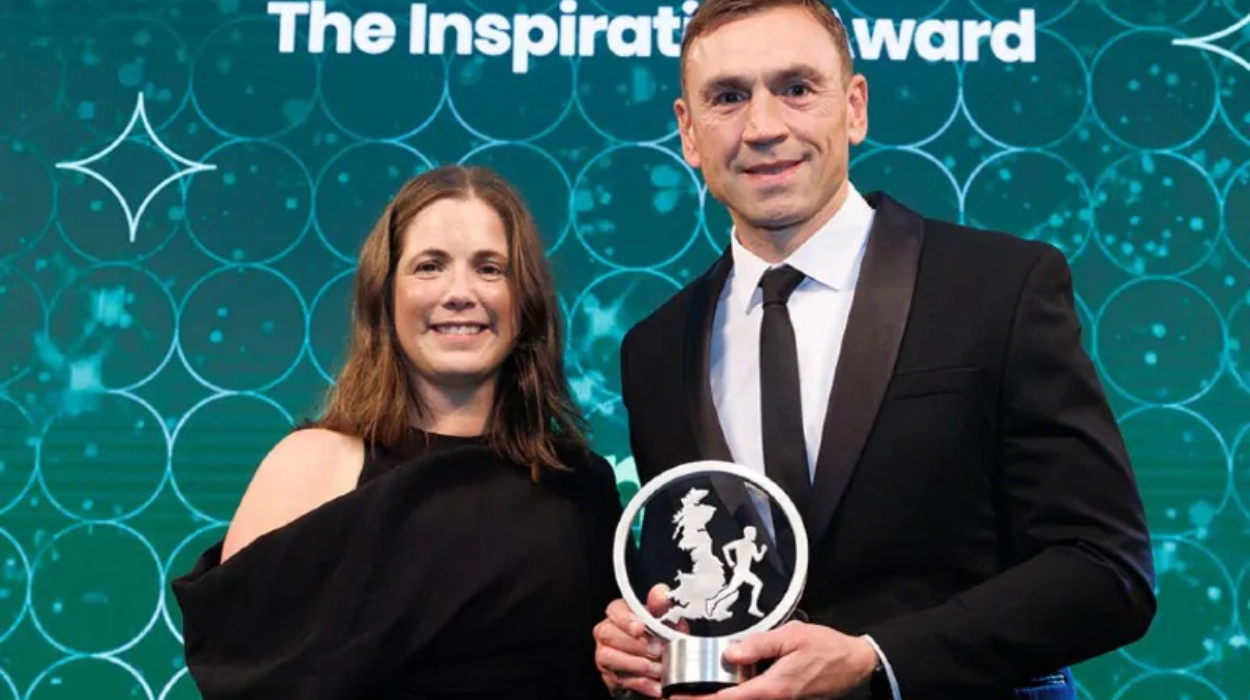
- Sir Kevin Sinfield received The Inspiration Award, presented by Lindsey Burrow, wife of his former Leeds Rhinos teammate Rob Burrow.
- Sinfield has raised more than £13 million for the motor neurone disease (MND) community through seven ultra-endurance challenges.
- Dr Ben Maruthappu was named Entrepreneur of the Year for building Cera, a technology-led home healthcare business founded in 2016.
- Helen Cannon, founder and chief executive of ISON Group, received the Female Founder of the Year award.
- Senior Stairlifts, founded by Kieran and Emily Harris in 2019, won Small Business of the Year.
- Purple, founded by Gavin Wheeldon in 2012, received the Technology Business of the Year award.
- Almost 200 finalists competed across the awards, with three businesses securing two awards each.
- Other prominent winners included Kelpi, Olive Dining, Tulleys Farm, Kendamil, Sirius Insight and Pip & Nut.
Sir Kevin Sinfield, Cera founder Dr Ben Maruthappu and location analytics company Purple were among the leading winners at the Lloyds British Business Excellence Awards 2026, recognising achievements across entrepreneurship, technology, business growth, innovation, social impact and leadership.
According to Chris Maguire’s report for BusinessCloud, published on 14 November 2026, more than 1,200 business leaders attended the ceremony at London’s Grosvenor House. Television presenter Davina McCall hosted the event, which brought together entrepreneurs, business founders and representatives from organisations recognised for their contributions to the British business landscape.
The awards featured almost 200 finalists competing across a range of business disciplines. Several winners and recognised organisations had also appeared in BusinessCloud’s 2026 Founder 250 and Northern Leaders 2026 lists, highlighting the prominence of established and emerging businesses represented at the ceremony.
The recognition of Sinfield, Maruthappu and Purple reflected three distinct areas of achievement: charitable fundraising and public inspiration, technology-enabled healthcare entrepreneurship, and the development of business technology.
Why Did Sir Kevin Sinfield Receive the Inspiration Award?
Sir Kevin Sinfield’s recognition was among the most significant moments of the ceremony, reflecting his fundraising efforts for people living with motor neurone disease.
As reported by Chris Maguire of BusinessCloud, Sinfield received The Inspiration Award from Lindsey Burrow, the wife of his former Leeds Rhinos teammate and close friend, Rob Burrow, who died in 2024.
The award recognised Sinfield’s commitment to raising awareness and financial support for the MND community. His fundraising efforts began following Rob Burrow’s diagnosis in 2019 and subsequently developed into a series of demanding endurance challenges.
According to the official Lloyds British Business Excellence Awards account, the fundraising campaign has raised more than £13 million through seven ultra-endurance challenges.
The organisers provided further details about the challenges in their 11 November 2026 report. Sinfield’s first major challenge involved completing seven marathons in seven days in 2020, raising £2.7 million. In 2021, he undertook a 101-mile run within 24 hours, travelling from Leicester Tigers to Headingley.
The challenges continued annually, with the number seven remaining central to the fundraising campaign. The number was significant because it was the shirt number worn by Rob Burrow during his rugby league career.
The 2025 challenge, titled 7 in 7: Together, took Sinfield and his team to locations including Ipswich, Cork, Swansea, Workington and Dundee. The organisers said the locations were selected to ensure that MND communities outside the usual routes were also recognised. The challenge raised more than £1.2 million, according to the MND Association.
The seventh and final challenge, 7 in 7: The Grand Finale, involved completing an ultramarathon every day for seven days across northern England. The team visited all 12 English Super League grounds.
The challenge concluded on 3 October 2026, when Sinfield ran on to the pitch at Old Trafford to deliver the match ball for the Betfred Super League Grand Final. The organisers reported that the final challenge raised more than £1 million, while their awards-night announcement put the figure at more than £1.3 million.
The campaign also received royal recognition. The Princess Royal greeted the team at the University of York, while the Prince and Princess of Wales met them at Wakefield. Four days after the final challenge, the Prince of Wales knighted Sinfield at Windsor Castle for services to the MND community and rugby.
The official awards website noted that Sinfield was only the second rugby league figure to receive a knighthood, following Sir Billy Boston. It also reported that the money raised since 2020 has supported six MND charities. The MND Association said the funding has supported research projects and helped establish its Research Nurse Network.
Sarah Austin, director of the Lloyds British Business Excellence Awards, explained why the judges considered Sinfield deserving of the recognition. She said his example demonstrated a clear purpose, teamwork and the determination to continue despite difficulties. Austin also highlighted how his efforts had extended beyond the business environment and inspired people across the country.
The award therefore recognised not simply the fundraising total but also the leadership, consistency and collective effort behind the campaign.
How Did Cera Founder Dr Ben Maruthappu Win Entrepreneur of the Year?
Dr Ben Maruthappu, founder and chief executive of Cera, received the Cazenove Capital Entrepreneur of the Year Award for developing a technology-led home healthcare business.
Chris Maguire of BusinessCloud reported that Maruthappu established Cera in 2016 and developed it into one of Europe’s largest healthtech companies. The business combines home healthcare services with technology and workforce development, including training people without previous professional experience to pursue careers in care.
The official awards organisers provided additional information about Maruthappu’s entrepreneurial background. Before establishing Cera, he worked as an NHS doctor. His experience of struggling to organise reliable care for his mother influenced his decision to establish the company.
Cera subsequently developed into an AI-powered home healthcare provider delivering services on behalf of governments, the NHS and insurers.
According to the company’s information published on the awards website, its workforce includes approximately 12,000 carers and nurses, who collectively undertake around three million home visits each month.
The judging panel highlighted the company’s technology-led approach to improving the delivery of care at home. Its digital systems allow staff to record patients’ symptoms during visits, while its AI tools analyse the collected information to identify potential health risks.
The company says its technology can help predict health problems days before they occur, potentially reducing falls and hospital admissions.
Another important element of the recognition was Cera’s approach to workforce development. The judges acknowledged the company’s efforts to recruit people without previous employment or professional training in care, provide them with training and develop their careers in the sector.
The official awards profile also highlighted Maruthappu’s ambition to combine artificial intelligence and robotics with traditional care delivery. According to the profile, Cera has established its own robotics division and set a mission of saving the NHS £1 billion.
The judges viewed the combination of commercial development, technology and social purpose as a significant part of the company’s achievement.
Cera’s recognition also illustrates the growing relationship between Artificial Intelligence (AI) and Healthcare Management, particularly in areas involving digital patient monitoring, workforce planning and the delivery of healthcare services outside traditional hospital settings.
The company’s award places technology-enabled care delivery among the prominent business developments recognised at the 2026 ceremony.
Which Other Business Leaders and Companies Won Major Awards?
The awards also recognised achievements across travel management, small business development and technology.
Helen Cannon, founder and chief executive of ISON Group, received the Cazenove Capital Female Founder of the Year Award. BusinessCloud described ISON Group as one of Europe’s fastest-growing travel management businesses.
The official awards organisers identified the winner as Helen Cannon of ISON Travel. Holly Brooke and Joely Walker Sanderson, founders of We Are Regular, were Highly Commended in the same award.
The recognition highlighted the contribution of female business founders to the British business landscape, particularly in sectors where leadership, business development and adaptability are important.
Senior Stairlifts received the Dext Small Business of the Year Award. Founded in 2019 by Kieran and Emily Harris, the company was recognised in a field that included Abbey Group, which was Highly Commended, and Island Larder, which received the One to Watch distinction.
The award added another dimension to the ceremony’s recognition of entrepreneurship, with a particular focus on the contribution of smaller businesses.
Purple, the location analytics platform founded by Gavin Wheeldon in 2012, won the Technology Business of the Year Award. InstaVolt was Highly Commended.
Purple’s recognition reflected the role of technology businesses in developing digital solutions for organisations and public spaces. The company was also featured among the businesses highlighted by BusinessCloud in its coverage of the ceremony.
The three prominent individual and company winners therefore represented different areas of business activity: healthcare technology, digital location analytics and social impact through charitable fundraising.
Which Three Businesses Won Two Awards Each?
Three businesses achieved particular distinction by winning two awards apiece: Tulleys Farm, Olive Dining and Kelpi.
The official Lloyds British Business Excellence Awards announcement confirmed that each award was decided by a separate judging panel. The organisers highlighted the consistency of the three businesses across different areas of assessment.
Why Did Tulleys Farm Receive Two Awards?
Tulleys Farm received the Lloyds Leading SME Business of the Year Award and the Gerald Edelman Family Business of the Year Award.
The nine-generation family farm has diversified its operations to develop a destination for family entertainment and seasonal attractions. Its activities include pumpkin patches, tulip fields, Halloween attractions and Christmas events.
According to the awards organisers, the business welcomed nearly two million visitors annually through its attractions. The judges also recognised its organisational culture and the sense of shared identity among family members, permanent employees and seasonal workers.
The recognition demonstrated how a traditional agricultural business can diversify its activities while retaining its family-business identity.
Kendamil was Highly Commended in the Gerald Edelman Family Business of the Year Award, while Island Delight received the Highly Commended distinction in the Lloyds Leading SME Business of the Year Award.
How Did Olive Dining Secure Two Business Growth Awards?
Olive Dining won both the Lloyds Outstanding Mid-Market Business of the Year Award and the Blick Rothenberg Mid-Market Growth Business of the Year Award.
The company provides meals to schools and pre-schools, focusing on healthy food and personal service.
The official awards announcement reported that Olive Dining increased its revenue from £30 million to £50 million despite operating in a challenging market. The company also added 80 schools to its customer base during the previous year.
Its approach to food preparation and service was highlighted by the organisers, particularly its commitment to serving meals on china plates through direct human service rather than relying solely on automated arrangements.
Fortnum & Mason was Highly Commended in the Lloyds Outstanding Mid-Market Business of the Year Award, while Everflow received the same distinction in the mid-market growth award.
Why Was Kelpi Recognised for Innovation and Sustainability?
Bristol-based materials innovator Kelpi secured the Social & Sustainable Impact Award and the Dext Innovation Award.
The company develops seaweed-based coatings designed to replace fossil-fuel plastics in packaging.
According to the official awards announcement, its technology has the potential to transform the production of single-use packaging, including the tens of billions of sachets sold annually.
The judges recognised Kelpi’s contribution to sustainable materials development, with every judge in the Social & Sustainable Impact category placing the company among their top two choices.
Osprey Charging Network was Highly Commended in the Social & Sustainable Impact Award, while HONA received the Highly Commended distinction in the Dext Innovation Award.
The recognition of Kelpi also highlighted the importance of Environmental and Agriculture expertise and innovation in developing alternatives to conventional materials and supporting more sustainable business operations.
What Were the Other Winners at the Lloyds British Business Excellence Awards 2026?
The ceremony recognised businesses across 20 award disciplines. The complete list published by the organisers included the following winners and Highly Commended organisations:
| Award | Winner | Highly Commended / Additional Recognition |
| The Inspiration Award | Sir Kevin Sinfield | — |
| Customer Loyalty Award | Product Marketing Alliance | Crystal Auras |
| Gerald Edelman Family Business of the Year | Tulleys Farm | Kendamil |
| Social & Sustainable Impact Award | Kelpi | Osprey Charging Network |
| Business Enabler of the Year | Tessiant | YOUR Personal Training |
| Cazenove Capital Entrepreneur of the Year | Dr Ben Maruthappu, Cera | Guy Walker, Dovetail & Slate |
| Blick Rothenberg Mid-Market Growth Business of the Year | Olive Dining | Everflow |
| Lloyds Scale-Up Trailblazer of the Year | Pip & Nut | Sirius Constellation / Sirius Insight |
| Lloyds Outstanding Mid-Market Business of the Year | Olive Dining | Fortnum & Mason |
| Department for Business & Trade International Expansion of the Year | Kendamil | Aviramp |
| Dext Small Business of the Year | Senior Stairlifts | Abbey Group; Island Larder (One to Watch) |
| Dext Innovation Award | Kelpi | HONA |
| Cazenove Capital Female Founder of the Year | Helen Cannon, ISON Travel | Holly Brooke and Joely Walker Sanderson, We Are Regular |
| Vistage Growth Business of the Year | Infinity Fire Prevention | PitPat |
| Purpose Beyond Profit Award | Five Rivers Child Care | EPIC Global Solutions |
| Technology Business of the Year | Purple | InstaVolt |
| Inclusion Award | Snowball Community | Connect Therapy Services |
| Lloyds AI Game Changer Award | Sirius Insight | Cera Care |
| Employer of the Year | Opinium | Care First 24 |
| ITV Growth Accelerator Award | Little Dish | WUKA |
| Lloyds Leading SME Business of the Year | Tulleys Farm | Island Delight |
The results demonstrate the breadth of businesses recognised, from established family enterprises and mid-market organisations to technology developers, healthcare providers and smaller companies.
Several of the awards also recognised achievements beyond financial performance, including customer loyalty, workplace inclusion, environmental innovation and social responsibility.
What Did Lloyds Say About the Award Winners and British Business?
Amanda Murphy, chief executive for Lloyds Business and Commercial Banking, highlighted the importance of recognising businesses that contribute to the wider economy and their communities.
In a statement published by the awards organisers on 11 November 2026, Murphy said:
“It’s fantastic to celebrate so many brilliant businesses, entrepreneurs and leaders through the Lloyds British Business Excellence Awards.”
She referred to businesses diversifying agricultural operations, family-run catering companies providing meals to children and innovators developing alternatives to plastic packaging.
Murphy said these organisations demonstrated the ambition, ideas and determination present across Britain.
She also highlighted the importance of businesses finding new opportunities for growth through technology, international expansion and improvements to existing operations.
According to Murphy, the benefits of successful business development extend beyond individual companies by creating employment, opportunities and stronger communities across the UK.
She also referred to Lloyds’ history of supporting businesses for more than 250 years, describing the opportunity to recognise successful organisations as an honour.
Her comments placed the awards within a broader discussion about business development, innovation and the contribution of companies to economic and community development.
Sarah Austin, founder of the awards organisation, also commented on the significance of the winners.
Austin described the businesses recognised at the ceremony as examples of modern British enterprise. She referred specifically to Tulleys Farm’s diversification, Olive Dining’s approach to school catering, Kelpi’s seaweed-based packaging technology, Cera’s home healthcare services and Kendamil’s international expansion.
She also highlighted the achievement of three businesses winning two awards each, noting that the decisions were made by separate judging panels.
Referring to Sir Kevin Sinfield, Austin said his commitment to supporting Rob Burrow and the wider MND community represented leadership beyond the traditional business environment.
She described watching Lindsey Burrow present the award to Sinfield as a moment that those attending the ceremony would remember.
What Happened During the 2026 Awards Ceremony?
The Lloyds British Business Excellence Awards took place on Tuesday, 10 November 2026, at Grosvenor House in London.
According to the organisers’ official report, approximately 1,200 business leaders attended the event, which featured performances and presentations alongside the awards programme.
The Hawksmoor Choir opened the ceremony, while Davina McCall hosted the evening and presented the awards across 20 business disciplines.
Another notable moment involved Grace Matthews, a 19-year-old musician and winner of Channel 4’s The Piano. Matthews had all her fingers amputated as a child, and her performance at the ceremony reportedly brought the audience to silence.
The organisers described her performance as a reminder of determination and the ability to overcome significant challenges.
The event also included an on-stage conversation between Davina McCall and Sir Kevin Sinfield before the presentation of The Inspiration Award. The organisers had kept the award a surprise for Sinfield until its announcement.
Lindsey Burrow subsequently presented the award, creating one of the evening’s most significant moments.
The ceremony was supported by Lloyds Bank as its headline partner, with ITV serving as its media partner. The UK government also supported the awards programme.
According to the organisers, the awards have raised more than £100,000 for charity since their launch.
What Happens Next for the 2026 Award Winners?
The celebrations will continue beyond the ceremony at Grosvenor House.
According to the official awards announcement, the 2026 winners are expected to ring the opening bell at the London Stock Exchange. They will also be recognised at the programme’s annual reception at the House of Commons.
The organisers thanked Lloyds Bank, ITV, their award partners, the UK government, the judges and the businesses that entered the competition.
The results also provide a snapshot of the different ways British businesses are developing, competing and contributing to their respective industries.
From Cera’s use of technology in healthcare to Kelpi’s sustainable packaging innovation, the winners demonstrate the importance of combining commercial objectives with practical solutions to wider challenges.
Similarly, Tulleys Farm and Olive Dining illustrate how established businesses can continue to expand while retaining their original purpose and operating principles.
Sinfield’s recognition adds a different dimension to the awards by highlighting the role of leadership, teamwork and long-term commitment to a social cause.
With almost 200 finalists considered across the competition, the 2026 awards recognised achievements in business growth, entrepreneurship, technology, sustainability, inclusion and social responsibility.
The event concluded with recognition for organisations operating across a wide range of sectors, underlining the diversity of the British business landscape and the different approaches companies are taking to achieve sustainable growth.