
Key Points
- Global infrastructure consultancy AECOM has merged its London cost management and project management operations into a single business unit.
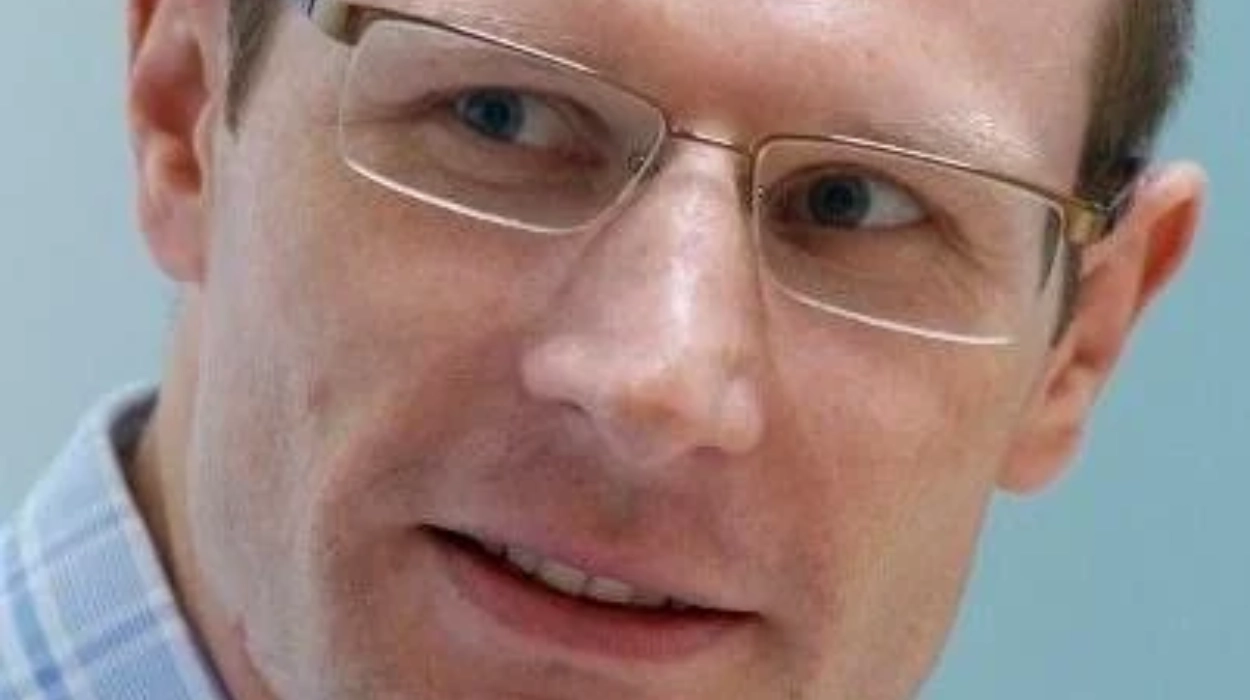
- Brian Smith, who joined the business in 2006 when it operated as Davis Langdon, will lead the newly combined team.
- Smith will continue overseeing the cost management discipline while Alex Hammerton retains responsibility for leading project management.
- The restructuring brings together approximately 230 employees working from AECOM’s Aldgate office on the edge of the City of London.
- Jo Streeten, AECOM’s Managing Director of Buildings and Places for Europe and India, described the change as a renewed commitment to the London market.
- AECOM said the combined structure would enable clients to benefit from its multidisciplinary, whole-life-cycle approach.
- Smith said bringing the two disciplines and their employees together would help the company take a more holistic approach to delivering value for clients.
- AECOM’s decision comes amid opportunities in London associated with a shortage of high-quality commercial space, demand from the technology sector and increasing attention to sustainable buildings.
- The company is undertaking cost management work on the planned One Undershaft tower, previously known as 1 Undershaft.
- The London consultancy market has also experienced personnel movements, including the appointment of former AECOM cost management head James Barton as a partner at Exigere.
- Barton spent more than three decades at AECOM before moving to Exigere, where he has reunited with former colleagues.
- Another business with historical connections to Davis Langdon is T&T Alinea, which was acquired by Turner & Townsend three years before the report and established as Alinea in 2013.
What Has AECOM Changed in Its London Cost and Project Management Operations?
Global infrastructure consultancy AECOM has combined its London cost management and project management businesses into a single operational unit led by Brian Smith, bringing approximately 230 employees together at its Aldgate office on the edge of the City of London. The restructuring places the two closely related professional disciplines under one leadership structure, with Smith taking responsibility for the combined operation while continuing to oversee cost management and Alex Hammerton retaining leadership of project management. Announced in November 2026, the move represents a renewed focus on London’s construction and property market, where AECOM sees opportunities arising from demand for high-quality commercial space, growth in the technology sector and increasing emphasis on sustainable buildings. The company said the combined structure would allow it to provide clients with a more integrated, multidisciplinary service throughout the full life cycle of their projects.
According to Dave Rogers of Building, who reported the development on 3 November 2026, AECOM has reorganised its London consultancy operations by bringing the two business areas together under one management structure.
The change is an internal business restructuring rather than an announced acquisition of another company. Its central purpose is to bring the people and capabilities responsible for managing construction costs and delivering projects into a more closely coordinated operation.
Cost management and project management are distinct professional disciplines within the construction industry. Cost management involves financial planning, budgeting, cost monitoring and the management of expenditure throughout a development. Project management focuses on coordinating project activities, managing delivery requirements, overseeing progress and ensuring that projects meet their objectives.
By combining the two teams, AECOM intends to strengthen coordination between these services and provide clients with a more integrated consultancy offering.
The restructuring also gives Brian Smith responsibility for leading the combined London operation, supported by the continued leadership of Alex Hammerton within the project management discipline.
Who Will Lead AECOM’s Newly Combined London Business?
Brian Smith has been appointed to lead the combined cost and project management operation. He will retain oversight of cost management while assuming responsibility for the wider team.
Smith has a long history with the organisation. As reported by Dave Rogers in Building, he joined the business in 2006, when it was known as Davis Langdon.
AECOM subsequently acquired Davis Langdon in 2010, bringing the established construction consultancy into its wider international business.
Smith’s experience within the organisation provides continuity during the restructuring. Having worked through the transition from Davis Langdon to AECOM, he has longstanding knowledge of the company’s cost management operations and its position in the construction consultancy market.
AECOM confirmed in its statement that Smith would lead the combined cost and project management team while continuing to oversee the cost management discipline.
The company’s statement also confirmed that Alex Hammerton would continue to lead project management.
This arrangement means that the restructuring brings the two functions under a common leadership structure without removing their separate professional responsibilities.
Smith’s official position is Head of Cost and Project Management, UK and Ireland. However, the latest announcement specifically concerns the combined London business and its organisational leadership.
What Responsibilities Will Alex Hammerton Retain After the Merger?
Alex Hammerton will continue leading AECOM’s project management discipline following the restructuring.
According to the statement reported by Building, Smith will work with Hammerton, who will remain responsible for project management.
This distinction is important because the combined structure does not mean that project management and cost management will become a single professional discipline. Instead, the company is bringing the two teams together to improve coordination while retaining specialist leadership.
Project managers play an important role in coordinating construction activities, managing project schedules, overseeing delivery arrangements and working with clients and other professional teams.
Cost managers, meanwhile, concentrate on financial aspects of developments, including cost planning, estimating, budget control and monitoring expenditure.
In large commercial developments, these responsibilities frequently overlap. Changes to project specifications, construction programmes and procurement arrangements can affect overall costs, making coordination between the two functions important.
AECOM’s new arrangement is intended to help its London clients access these capabilities through a more integrated business structure.
Why Is AECOM Strengthening Its Position in the London Construction Market?
AECOM’s restructuring reflects its assessment that the London market continues to offer significant commercial opportunities.
Jo Streeten, Managing Director of Buildings and Places for Europe and India at AECOM, explained the reasons behind the move in a statement quoted by Dave Rogers in Building.
Streeten said:
“With a shortage of high-quality space, strong demand from the technology sector and an increasing focus on sustainable buildings, the London market continues to present significant opportunities.”
Her statement identifies three important factors influencing AECOM’s assessment of the capital’s development market.
The first is the shortage of high-quality commercial space. Businesses seeking suitable offices and other commercial premises can create demand for new developments, refurbishment projects and improvements to existing buildings.
The second factor is demand from the technology sector. Technology businesses require suitable premises to support their operations, workforce requirements and future expansion. This can contribute to demand for modern commercial property and associated development services.
The third factor is the increasing focus on sustainable buildings. Environmental considerations are becoming an important part of construction and property development, influencing building design, materials, energy performance and long-term operational requirements.
Streeten connected these market conditions with AECOM’s decision to bring its cost and project management capabilities together.
She added:
“By bringing together our cost and project management capabilities under Brian’s experienced leadership, we can better provide the capital’s clients with our multidisciplinary, whole life-cycle approach.”
The statement indicates that AECOM sees the restructuring as a way to strengthen its service delivery rather than simply changing its internal reporting arrangements.
What Has Brian Smith Said About Bringing the Two Teams Together?
Brian Smith said the restructuring would allow AECOM to approach client requirements more holistically by bringing the relevant employees and capabilities into one team.
Commenting on his new responsibilities, Smith said:
“Cost and project management are two core, yet distinct, disciplines within Aecom’s expertise.”
He continued:
“By bringing these capabilities and the people behind them under one team, we can think more holistically about how we deliver the best value.”
His comments underline the company’s intention to preserve the specialist nature of both disciplines while improving the way they work together.
The emphasis on value is particularly relevant to construction projects, where clients must balance financial constraints, programme requirements, quality expectations and wider development objectives.
An integrated consultancy structure can help connect financial planning with project delivery decisions. For example, cost considerations can be incorporated into project planning at an earlier stage, while project managers can work more closely with cost specialists when changes affect budgets or delivery arrangements.
AECOM has not announced specific financial targets, additional recruitment numbers or projected revenue increases associated with the restructuring. The published announcement focuses on leadership, organisational coordination and the company’s approach to serving London clients.
How Many Employees Will Work in AECOM’s Combined London Business?
The newly combined operation will consist of approximately 230 employees, based at AECOM’s Aldgate office.
The office is located on the City fringe, placing the team within London’s established commercial and professional services environment.
The size of the combined workforce demonstrates that the restructuring involves a substantial consultancy operation rather than a small administrative change.
Bringing approximately 230 professionals into one business unit gives AECOM a consolidated base of cost management and project management expertise in the capital.
For clients, the company says the structure will support access to a broader combination of professional capabilities and a multidisciplinary approach to projects.
The announcement does not provide a breakdown of the 230 employees between cost management and project management. It also does not specify whether the restructuring will result in additional recruitment, redundancies or changes to the office location.
Consequently, the confirmed development is the consolidation of the two operations and the establishment of their combined leadership structure.
Which Major London Development Is AECOM Working On?
AECOM is undertaking cost management work on the planned One Undershaft tower, previously referred to as 1 Undershaft.
The project is a major proposed development in the City of London and forms part of the company’s work in the capital’s commercial property market.
The reference to the development is relevant to the restructuring because cost management is an important part of delivering large and complex construction projects.
Major commercial towers involve extensive financial planning, cost control and coordination between clients, designers, contractors and other professional advisers.
AECOM’s involvement in One Undershaft demonstrates its participation in London’s high-profile development sector, where the company’s cost and project management capabilities are relevant to large-scale schemes.
The Building report identifies the project as an example of AECOM’s ongoing cost management work. However, it does not announce a new contract award or disclose the financial value of the company’s appointment.
Why Has Exigere Appointed a Former AECOM Cost Management Executive?
The restructuring comes against a background of continuing personnel movements within London’s cost consultancy market.
Dave Rogers also reported that London-based cost consultant Exigere had appointed James Barton, formerly AECOM’s Head of Cost Management in London and the South, as a new partner.
Barton spent more than three decades at AECOM, having joined the organisation in the mid-1990s.
His appointment at Exigere represents a notable movement of senior industry experience between established consultancy businesses.
According to Building, Barton has reunited with several former colleagues who left AECOM in 2012 to establish Exigere.
The development illustrates how professional relationships and experienced personnel continue to influence the competitive landscape of London’s cost consultancy sector.
Senior appointments can also affect the way consultancy firms develop their leadership teams, strengthen client relationships and expand their service capabilities.
However, the report does not establish a direct connection between Barton’s move and AECOM’s decision to combine its London cost and project management businesses. The two developments should therefore be understood as separate organisational changes taking place within the same professional market.
What Is the Historical Connection Between AECOM, Davis Langdon and T&T Alinea?
The Building report also highlights the historical relationship between AECOM and another established consultancy business, T&T Alinea.
The company, now known as T&T Alinea, emerged from the former Davis Langdon business and was established in 2013.
The report explains that Alinea was subsequently acquired by Turner & Townsend three years before the November 2026 announcement.
This history provides additional context for the development of London’s cost consultancy market following AECOM’s acquisition of Davis Langdon in 2010.
The former Davis Langdon organisation became part of AECOM, while other industry professionals established or joined separate consultancy businesses.
T&T Alinea’s development is one example of how the professional services market evolved following these changes.
Together with Exigere’s appointment of James Barton, the reference illustrates the continued movement of experienced professionals and the emergence of businesses with historical connections to the same consultancy background.
These developments provide context for AECOM’s latest restructuring, although the Building report does not suggest that the new combined operation is a response to either Exigere’s appointment or T&T Alinea’s business development.
What Does AECOM’s Restructuring Mean for Construction Project Management?
AECOM’s decision highlights the importance of coordinating financial and delivery expertise within large construction consultancy operations.
Construction projects require more than technical design and building work. They also depend on effective budgeting, financial forecasting, procurement coordination, programme management and communication between professional teams.
Bringing cost management and project management together can help consultancy businesses coordinate these responsibilities more closely.
For example, project managers may need to evaluate the delivery implications of design changes, while cost managers assess their financial consequences. A shared organisational structure can support communication between these functions and help clients consider cost and programme decisions together.
The restructuring also demonstrates the importance of experienced leadership in managing multidisciplinary teams.
Brian Smith’s appointment brings responsibility for the combined London operation under an executive who has been associated with the business since its Davis Langdon period. Meanwhile, Alex Hammerton’s continued role ensures that project management retains dedicated professional leadership.
These developments are relevant to professional learning in Construction and Civil Engineering, where cost planning, construction consultancy and project delivery form important areas of industry practice.
Similarly, Project Management and Management and Leadership involve the coordination of multidisciplinary teams, resource planning, accountability and the delivery of complex business objectives.
Financial oversight is another important consideration, making Accounting, Finance and Budgeting relevant to professionals responsible for managing construction costs and commercial performance.
AECOM’s announcement therefore provides an example of how a major consultancy is adjusting its organisational structure to respond to its assessment of market opportunities and client requirements.
What Happens Next for AECOM’s London Consultancy Business?
The immediate change is the operation of AECOM’s London cost and project management teams under a combined structure led by Brian Smith.
Alex Hammerton will continue overseeing project management, while Smith retains responsibility for cost management and leads the wider unit.
The approximately 230-person operation will continue working from the company’s Aldgate office.
AECOM has presented the restructuring as a way to strengthen its multidisciplinary offering and provide clients with a more integrated approach throughout the life cycle of their projects.
The company’s stated interest in London’s commercial property market is supported by the factors identified by Jo Streeten, including demand for high-quality space, technology-sector requirements and the increasing focus on sustainable buildings.
Its involvement in One Undershaft also demonstrates its existing work in the capital’s major development market.
The announcement does not disclose the financial impact of the restructuring or provide a timetable for further organisational changes. It also does not confirm additional investment, new contracts or an expansion in the combined team’s workforce.
For now, the central development is the consolidation of two established consultancy functions into one London business unit, with experienced leadership and a workforce of approximately 230 people.