
Key Points
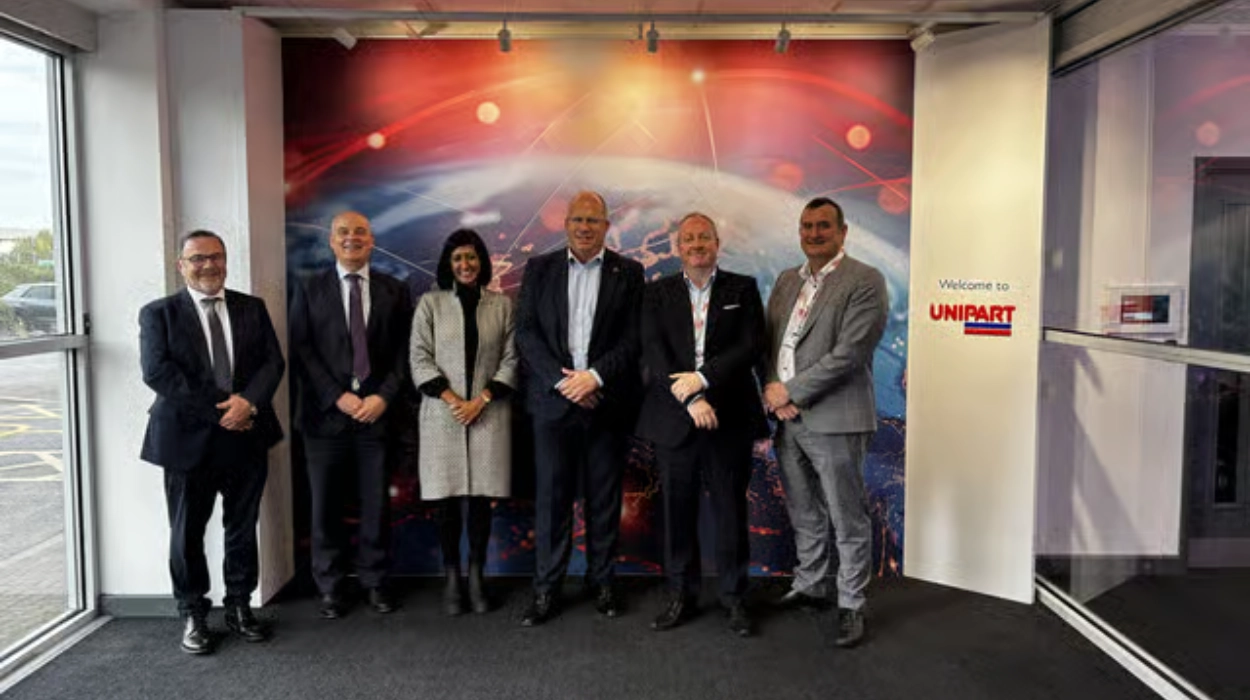
- Transport for London (TfL) Commissioner Andy Lord visited Unipart’s facility in Doncaster to learn about its contribution to London’s transport network.
- The visit highlighted the role of regional suppliers in supporting transport infrastructure, engineering and maintenance.
- Henri Murison and Paul Hirst of The Northern Powerhouse Partnership joined the visit.
- Dr David McGorman, Unipart’s Chief Engineering and Technology Officer, and Justin Moss, Business Development Director for Rail and Public Transportation, also attended.
- TfL’s supply chain supports more than 100,000 jobs across the UK, including in Doncaster, Ballymena, Fleetwood, Scarborough and the Isle of Wight.
- Andy Lord highlighted TfL’s investment through more than 3,000 suppliers and the importance of collaboration with the Government.
- The visit focused on employment, skills, regional economic development and the relationship between London’s transport investment and businesses across the UK.
Source: Darren Burke, Doncaster Free Press. Read the original report.
A visit by Transport for London (TfL) Commissioner Andy Lord to Unipart’s facility in Doncaster has highlighted the importance of regional engineering businesses in supporting London’s transport network and sustaining skilled employment across the UK. The visit brought together representatives of TfL, The Northern Powerhouse Partnership and Unipart to examine how transport investment in the capital can create opportunities for suppliers and workers in communities beyond London.
As reported by Darren Burke of the Doncaster Free Press, the visit took place during the week preceding the report’s publication on 23 October 2026. It brought attention to the contribution of Doncaster-based operations to the wider transport supply chain and the connections between public transport infrastructure, engineering services and regional economic development.
Andy Lord was joined by Henri Murison and Paul Hirst of The Northern Powerhouse Partnership. Unipart was represented by Dr David McGorman, its Chief Engineering and Technology Officer, and Justin Moss, Business Development Director for Rail and Public Transportation.
The visit provided an opportunity to examine how specialist suppliers contribute to the maintenance and operation of transport networks. Unipart provides services involving the supply, maintenance, overhaul and lifecycle management of rail infrastructure and rolling stock components.
The discussions also highlighted the geographical reach of TfL’s supply chain, which supports employment in locations outside the capital. According to the report, the network supports more than 100,000 jobs across the UK, demonstrating how London’s transport operations are connected to businesses, suppliers and skilled workers in other regions.
Why Did Andy Lord Visit Unipart in Doncaster?
The visit focused on the relationship between London’s transport network and the businesses that supply the equipment, services and technical expertise needed to support its operations.
Although TfL’s transport services are centred on London, the supply chain supporting those services extends across the country. Engineering companies, component suppliers and maintenance specialists can contribute to the reliability of transport infrastructure while providing skilled employment in their local economies.
Unipart’s Doncaster facility offered an opportunity to explore this relationship in a practical setting. Its work in rail and public transportation illustrates how regional businesses can support infrastructure that serves millions of passengers in the capital.
The delegation included representatives from transport operations, engineering and regional economic development. Lord represented TfL, while Murison and Hirst attended on behalf of The Northern Powerhouse Partnership. McGorman and Moss brought their expertise in engineering, technology and rail business development.
Their participation reflected the different interests involved in maintaining an extensive transport system. Transport authorities depend on suppliers with the technical capability to support their assets, while businesses depend on sustainable commercial relationships and investment to maintain expertise and employment.
The report did not announce a new contract, funding agreement or commercial partnership arising from the visit. Instead, the emphasis was on the contribution of the supply chain and its role in supporting jobs, skills and economic growth.
How Does Unipart Help Keep London’s Underground Running?
Unipart operates in the rail and public transportation supply chain, providing services associated with rail infrastructure and rolling stock components. Its activities include supplying equipment and components, maintenance, overhaul and lifecycle management.
These services are important to the broader operation of railway systems because transport infrastructure requires ongoing technical support throughout its working life. Components must be maintained, equipment may require refurbishment, and operators need access to appropriate engineering expertise to manage assets effectively.
Maintenance and overhaul can help organisations address wear, operational demands and the need to keep equipment in service. Lifecycle management also involves considering the condition, performance and longer-term requirements of assets rather than focusing solely on their initial installation.
For transport operators, a dependable supplier network can help coordinate the technical work required to maintain infrastructure and supporting equipment. The availability of skilled engineering personnel and specialist services is therefore an important part of transport operations.
Unipart’s role in the rail supply chain demonstrates how businesses located outside London can contribute to the capital’s transport services. The connection is not limited to the physical movement of components. It also involves technical knowledge, maintenance capabilities, commercial relationships and the coordination of work between transport operators and suppliers.
The Doncaster visit brought these relationships into focus by highlighting the role of a regional business in a transport network whose operations extend across the UK economy.
How Does TfL’s Supply Chain Support Jobs Across the UK?
According to the Doncaster Free Press report, TfL’s supply chain supports more than 100,000 jobs across the UK. The employment footprint extends beyond London and includes locations such as Doncaster, Ballymena in Northern Ireland, Fleetwood in Lancashire, Scarborough and the Isle of Wight.
This geographical spread illustrates how a major transport network can generate demand for products and services from businesses in different regions. Engineering, maintenance, manufacturing, logistics and other supplier activities can contribute to employment linked to transport operations.
The economic effects of transport investment can therefore extend beyond the areas in which passengers use the services. When a transport authority purchases equipment or contracts specialist services, the resulting business activity may support workers, technical facilities and other suppliers in different parts of the country.
For towns with established industrial and engineering capabilities, such relationships can help sustain specialist skills and provide opportunities for businesses to serve large transport organisations.
Doncaster’s involvement is particularly relevant to the visit because it demonstrates the connection between regional engineering expertise and London’s transport infrastructure. The facility represents part of a wider network in which technical services and supply arrangements link businesses to transport operations elsewhere.
However, the reported employment figure should be understood as a statement about TfL’s wider supply chain, rather than as the number of people employed directly by Unipart or at its Doncaster facility.
What Did Andy Lord Say About TfL’s Investment and Suppliers?
The report highlighted Lord’s comments about the scale of TfL’s investment and the importance of its supplier relationships.
According to Burke, TfL invests billions through more than 3,000 suppliers. Lord also emphasised the importance of continued collaboration with the Government.
The figures underline the scale of the commercial network associated with operating and maintaining London’s transport system. A network of this size requires relationships with businesses providing a range of goods and services, including specialist engineering capabilities.
Working with suppliers across different regions can create opportunities for businesses beyond the capital to participate in transport-related economic activity. It can also connect public transport investment with established industrial capabilities in towns and cities throughout the UK.
Lord’s emphasis on collaboration with the Government points to the broader importance of coordination between transport authorities and public institutions. Investment decisions, infrastructure priorities and the operating requirements of public transport networks can influence the demand for goods and services from suppliers.
The report did not set out a new Government commitment or a specific policy announcement arising from the visit. Rather, it presented collaboration and investment as important considerations in supporting TfL’s operations and the businesses connected to its supply chain.
What Is the Role of The Northern Powerhouse Partnership?
Henri Murison and Paul Hirst attended the visit as representatives of The Northern Powerhouse Partnership, an organisation concerned with economic growth and development across the North of England.
Their participation connected the visit with wider discussions about regional economic opportunity. The supply chains of major public transport networks can create commercial links between London and businesses in northern towns and cities, including those with engineering and industrial expertise.
Regional development involves more than attracting investment into a particular location. It also includes helping businesses access opportunities, supporting specialist skills and maintaining the capabilities needed to compete for commercial work.
The visit highlighted how these issues intersect with transport infrastructure. Suppliers can provide services to major operators while retaining their operational base in regional communities. This can help sustain technical expertise and support employment outside the capital.
For Doncaster, the presence of representatives from TfL, Unipart and The Northern Powerhouse Partnership brought together organisations with different perspectives on transport operations and economic development.
The report did not identify a new regional development programme or a formal agreement between the organisations. The significance of the meeting lay in its focus on the relationship between transport investment, supplier networks and employment across the country.
Why Are Regional Engineering Businesses Important to Public Transport?
Public transport networks rely on extensive systems of equipment, infrastructure and technical support. The reliability of services depends not only on the visible operation of trains and stations but also on the businesses responsible for supplying, maintaining and managing supporting assets.
Regional engineering businesses can provide specialist knowledge and services that transport operators need. Their contribution may include equipment supply, component maintenance, refurbishment and technical support over the life of railway assets.
These capabilities can also support local employment and the development of technical skills. When businesses secure work from large transport operators, they may need employees with expertise in engineering, maintenance, quality assurance, supply chain coordination and project delivery.
The connection between infrastructure and regional industry can consequently work in both directions. Transport operators gain access to specialist suppliers, while regional businesses gain opportunities to apply their capabilities to major infrastructure systems.
However, participation in a large supply chain does not remove the commercial and operational challenges faced by suppliers. Businesses must maintain quality, meet contractual requirements, manage costs and adapt to changing technical needs.
The Doncaster visit highlighted the importance of these supplier relationships without announcing any specific change to TfL’s procurement arrangements or Unipart’s contractual position.
What Does the Visit Mean for Doncaster’s Engineering Sector?
The visit placed Doncaster within a wider discussion about the contribution of regional businesses to national infrastructure.
For engineering companies, transport supply chains can provide opportunities to apply technical expertise to projects and operations beyond their immediate geographical area. These relationships can help connect local facilities and workforces with the requirements of major public transport organisations.
Doncaster’s role in the reported visit also demonstrates that the economic value of transport infrastructure is not confined to passenger services or the locations in which those services operate. It can extend to suppliers responsible for components, maintenance and other specialist activities.
The presence of senior representatives from TfL and The Northern Powerhouse Partnership also drew attention to the links between commercial activity and regional economic development.
Nevertheless, the visit alone does not establish that new jobs will be created in Doncaster or that Unipart will receive additional contracts. Any such outcomes would depend on future business activity, investment decisions and supplier requirements.
Its immediate significance is that it brought attention to an existing relationship between London’s transport network and the businesses whose services help support it.
How Are Skills and Supply Chain Management Connected to Transport Investment?
Managing a large transport supply chain requires coordination between operators and suppliers, alongside appropriate technical expertise and commercial oversight.
Transport organisations need to identify the services and components required to maintain their networks, work with suitable suppliers and manage the delivery of goods and services. Suppliers, in turn, must organise their operations to meet technical specifications, deadlines and quality requirements.
These activities connect engineering with wider business functions, including procurement, logistics, contract management and workforce development.
The scale of TfL’s supplier network, as highlighted in the report, demonstrates the importance of managing relationships across multiple businesses. The effectiveness of those relationships can influence the availability of equipment and specialist services needed for transport operations.
Skills development is also relevant because engineering and maintenance work depends on employees who understand technical standards, operational procedures and asset requirements. Maintaining those capabilities can be important both for individual businesses and for the wider transport sector.
For organisations involved in regional economic development, supplier relationships can therefore be considered alongside the employment and skills opportunities associated with major infrastructure systems.
At the same time, the report did not specify new training initiatives, apprenticeship targets or additional workforce commitments announced during the visit.
What Are the Wider Implications for the UK Transport Supply Chain?
The visit highlighted a wider economic relationship: London’s transport network depends on businesses and workers located throughout the UK.
TfL’s reported network of more than 3,000 suppliers provides a substantial commercial connection between transport operations and companies operating in different regions. The employment figure cited in the report further illustrates the scale of the supply chain’s reported contribution to jobs.
For regional businesses, these relationships can create opportunities to provide specialist services to a major transport operator. For London’s transport network, access to a broad supplier base can support the delivery of engineering, maintenance and other operational requirements.
The arrangement also demonstrates why transport investment can have economic implications beyond the immediate location of a project or service. Spending on infrastructure and its supporting operations can create demand for work carried out elsewhere.
The long-term value of these connections depends on factors including investment, supplier performance, technical requirements and the ability of businesses to maintain relevant capabilities. The visit did not establish new spending commitments, but it highlighted the existing importance of supplier relationships.
Conclusion: Why Does the Doncaster Visit Matter?
Andy Lord’s visit to Unipart in Doncaster highlighted the contribution of regional engineering businesses to London’s transport network and the wider UK economy.
The participation of Henri Murison, Paul Hirst, Dr David McGorman and Justin Moss brought together representatives from transport operations, regional economic development and rail engineering. Their meeting focused on the role of supply chains in supporting jobs, skills and economic activity beyond London.
The report’s reference to more than 100,000 jobs supported by TfL’s supply chain and its network of over 3,000 suppliers illustrates the breadth of the commercial relationships associated with the capital’s transport system.
For Doncaster, the visit drew attention to the role of local engineering capabilities in supporting national infrastructure. More broadly, it demonstrated how transport investment can connect major urban networks with businesses and workforces across the country.
No new contract or funding announcement was reported as part of the visit. Its significance instead lies in highlighting the contribution of regional suppliers to the operation and maintenance of public transport infrastructure.
As transport organisations continue to depend on technical expertise, equipment and maintenance services, the relationship between operators and their suppliers remains an important part of the UK’s transport and engineering landscape.
The issues raised by the visit also connect with Logistics and Supply Chain, particularly the management of supplier networks, the coordination of technical services and the relationship between procurement and infrastructure operations.