
Key Points
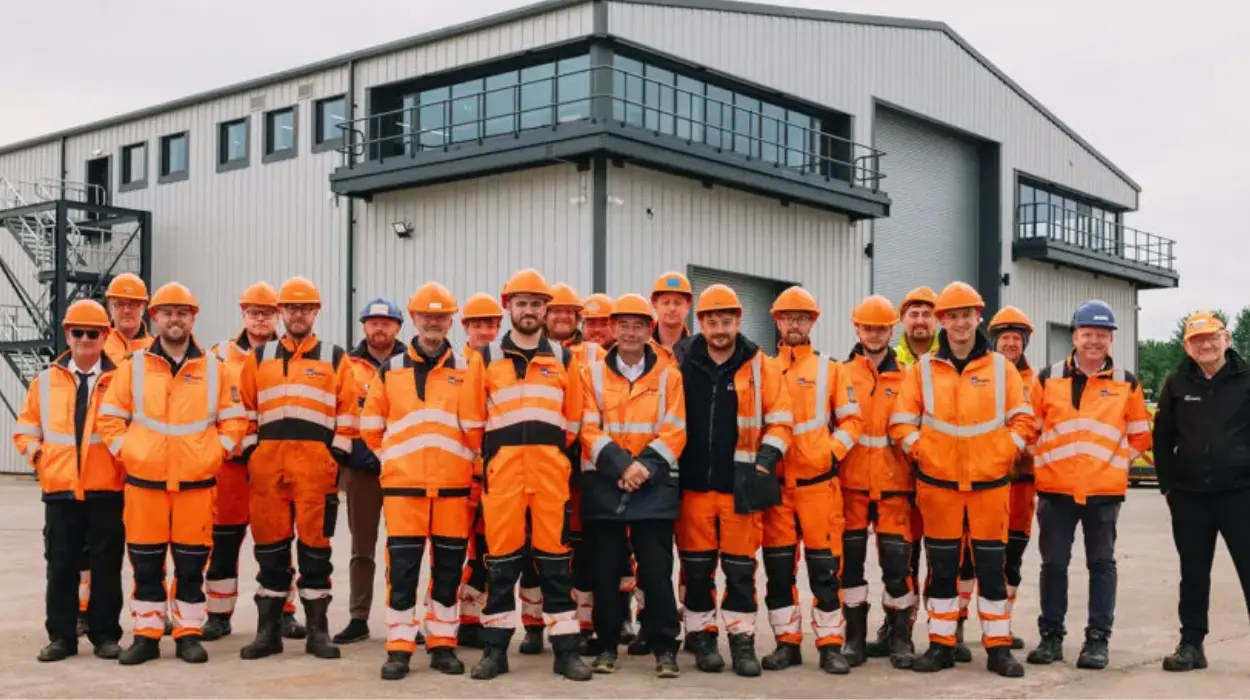
- PD Ports has officially opened a multi-million-pound marine facility at Cargo Fleet Wharf, within Teesport Commerce Park in Middlesbrough, strengthening its long-term commitment to the River Tees and the regional economy.
- The three-storey facility brings marine operations and marine engineering teams together in one location, replacing ageing premises on Vulcan Street that date back to the 1960s.
- A specialist vessel maintenance workshop will allow smaller marine vessels to be lifted from the river onto the quay and moved indoors for maintenance and repairs.
- The investment is intended to improve working conditions for marine engineers and support the safe, efficient operation of the River Tees and the Port of Hartlepool.
- PD Ports Chief Executive Officer Paul Foreman said the investment supports the company’s responsibilities as Statutory Harbour Authority and benefits the wider economy.
- Marine Director Chris Stocks highlighted the importance of dredging, hydrographic surveying, maintaining navigational aids, vessel maintenance and oil spill response.
- The new facility builds on previous investment in PD Ports’ marine capabilities, including £23 million in the vessel Emerald Duchess.
- The building was designed and delivered largely by PD Ports’ own civil and facilities engineering teams, with support from local suppliers where required.
- The opening was attended by regional representatives, including MPs Andy McDonald and Luke Myer, Middlesbrough Mayor Chris Cooke and Redcar and Cleveland Mayor Councillor Ceri Cawley.
- The Port of Tees and Hartlepool is the sixth-largest port in the UK by volume and the largest in the North East, according to PD Ports.
- The marine function, formerly known as Conservancy, will mark 175 years of responsibility for the safe and effective operation of the River Tees in 2027.
Middlesbrough-based PD Ports has opened a multi-million-pound marine facility at Cargo Fleet Wharf in Teesport Commerce Park, bringing its marine operations and engineering teams together in a purpose-built location designed to support the safe and efficient operation of the River Tees and the Port of Hartlepool. Announced on 19 October 2026, the investment replaces ageing facilities dating from the 1960s, introduces a specialist workshop for vessel maintenance and reinforces the port operator’s long-term commitment to the river, its users and the wider regional economy. The project was designed and delivered largely by the company’s own civil and facilities engineering teams, with local suppliers involved where required. As reported in PD Ports’ official announcement, the development represents a further investment in the infrastructure, people and expertise required to maintain the river as a working waterway for businesses and other users.
What Is the New Marine Facility at Cargo Fleet Wharf?
The new three-storey building is located at Cargo Fleet Wharf, within Teesport Commerce Park in Middlesbrough. According to PD Ports, it provides a permanent base for the teams responsible for maintaining the safe operation of the River Tees and the Port of Hartlepool under the company’s responsibilities as Statutory Harbour Authority.
The facility brings marine operations and marine engineering together in a modern working environment. Previously, the functions operated from ageing facilities on Vulcan Street, which dated back to the 1960s.
The new premises are intended to provide an improved environment for staff carrying out the specialist work required to keep the river safe, navigable and operational. By bringing the teams together, PD Ports is consolidating the facilities used to support its marine responsibilities.
The development also creates a location where the company can bring river users, customers and partners together. This is relevant to the wider network of businesses, terminal operators and organisations that rely on the River Tees for their activities.
PD Ports said representatives from across the Tees river community attended the opening to see the investment in infrastructure and expertise supporting the waterway.
Why Has PD Ports Invested Millions in Marine Infrastructure?
The investment reflects PD Ports’ responsibility for the safe and effective operation of the River Tees and the Port of Hartlepool. These responsibilities extend beyond the company’s own commercial port operations, encompassing the navigational conditions and marine services on which other river users depend.
Paul Foreman, Chief Executive Officer at PD Ports, described the River Tees as a major economic asset for the region. He said the company’s responsibilities extended beyond its operations at Teesport and included helping to keep the river safe, navigable and ready to support businesses that depend on it.
Foreman said the multi-million-pound investment demonstrated the company’s commitment to the marine team, the river and the wider economy it serves. He also highlighted the importance of working alongside businesses, organisations and communities that collectively support the river’s role as a working waterway.
The new building is therefore not simply an accommodation project. Its purpose is connected to the operational responsibilities of the marine team, including maintaining navigational infrastructure, managing waterway conditions and ensuring that the company’s specialist vessels can be maintained effectively.
The facility also forms part of PD Ports’ continuing investment in its wider marine capability. The company has previously invested significantly in its fleet, including £23 million in the Emerald Duchess.
How Will the New Workshop Improve Marine Vessel Maintenance?
One of the facility’s main features is a specialist vessel maintenance workshop designed to change how smaller marine vessels are maintained and repaired.
PD Ports said the workshop will allow smaller vessels to be lifted from the river onto the quay and moved inside for maintenance and repair. This capability is being introduced for the first time within the company’s facilities, according to its announcement.
The ability to move vessels indoors provides a dedicated environment for marine engineers to undertake maintenance work. It also creates safer and more efficient working conditions for employees responsible for keeping the company’s specialist marine fleet operational.
Marine engineering supports the broader work of the river’s operational teams. Vessels are required for activities such as surveying, navigational support and other duties associated with maintaining the waterway. Their maintenance is therefore an important part of ensuring that the marine team can carry out its responsibilities.
By providing a specialist workshop within the new facility, PD Ports is bringing vessel maintenance into the same broader operational setting as its marine activities. The company has not published a specific estimate of the time or cost savings expected from the workshop, so the scale of any measurable efficiency improvement remains unquantified.
The facility nevertheless provides new maintenance capabilities and a dedicated indoor working environment that were not available in the same way under the previous arrangements.
What Services Does the PD Ports Marine Team Provide?
PD Ports’ marine team undertakes several activities that support safe navigation and the continued operation of the River Tees.
These include dredging, hydrographic surveying, maintaining navigational aids and providing oil spill response capability. Marine engineering supports this work by maintaining the company’s vessels, including the Emerald Duchess, Heortnesse and smaller survey and pilot vessels.
Dredging helps maintain the navigable channels used by vessels, while hydrographic surveying provides information about the river and its navigational conditions. Navigational aids support the safe movement of vessels, and oil spill response capability forms part of the team’s ability to respond to incidents.
The different activities work together to support the movement of vessels and the operation of businesses along the river. They also require specialist equipment, trained personnel and properly maintained vessels.
PD Ports said its marine team works with users across the river community, including businesses and terminal operators along the Tees and operators at the river mouth. The team also collaborates closely with the Harbour Office, particularly when larger or more complex vessel movements are involved.
Chris Stocks, Marine Director at PD Ports, explained that the team’s work is focused on ensuring the river functions for everyone who relies on it. He highlighted daily surveying, navigational aid maintenance, dredging, vessel maintenance and incident-response capability as essential parts of that responsibility.
Stocks said much of this work takes place behind the scenes but is fundamental to keeping the Tees safe, open and operating efficiently.
What Did PD Ports Chief Executive Paul Foreman Say About the Investment?
Paul Foreman said the River Tees was a major economic asset for the region and stressed that PD Ports’ responsibilities extended beyond its own activities at Teesport.
He explained that the company, in its role as Statutory Harbour Authority, had an important part to play in keeping the river safe and navigable and ensuring it remained ready to support dependent businesses.
Foreman also emphasised the need for continued investment in people, infrastructure and expertise to fulfil those responsibilities over the long term.
Describing the new facility, he said the multi-million-pound project was a visible example of the company’s commitment. He characterised it as an investment in the marine team as well as in the river and the wider economy it serves.
Foreman also acknowledged the contribution of businesses, organisations and communities working alongside PD Ports to maintain the River Tees as an important working waterway.
His comments place the project within the company’s broader operational responsibilities rather than presenting it solely as a property development. The facility is intended to support the people and capabilities required to maintain the river’s day-to-day operation.
How Did Marine Director Chris Stocks Describe the Facility’s Importance?
Chris Stocks said the team’s work was ultimately about making the river function for everyone who depends on it.
He outlined the range of daily activities undertaken by marine personnel, including river surveys, navigational aid maintenance, dredging, vessel maintenance and the provision of incident-response capabilities.
Stocks noted that these responsibilities are not always visible to the wider public, although they are fundamental to maintaining a safe and efficient waterway.
He said the new facility places the team at the heart of the river it serves and gives employees the working environment and equipment needed to carry out their duties effectively.
Stocks also highlighted the building’s potential role as a meeting point for river users, customers and partners. He said it would provide a place for the company to bring these groups together and continue developing the relationships that support the Tees.
For the Marine Director, the facility represents tangible evidence of ongoing investment in the river, the people responsible for its operation and the economy it supports.
Who Attended the Opening of the New PD Ports Facility?
The opening brought together representatives from the Tees river community and local political leaders.
Those attending included Andy McDonald, MP for Middlesbrough and Thornaby East; Luke Myer, MP for Middlesbrough South and East Cleveland; Chris Cooke, Mayor of Middlesbrough; and Councillor Ceri Cawley, Mayor of Redcar and Cleveland.
The event also featured a performance by the local choir Men of Staithes. The group includes Lee Jackson, a Tees Bay Pilot, among its members.
The attendance reflected the facility’s connection to the wider river community and the surrounding area. PD Ports presented the opening as an opportunity for representatives to see the infrastructure and expertise supporting the safe operation of the river.
The announcement did not disclose individual financial contributions from the attendees or suggest that the public representatives had funded the development. The investment was presented as a PD Ports project.
How Was the Marine Facility Designed and Delivered?
PD Ports said the building was designed and delivered largely in-house by its civil and facilities engineering teams.
The project drew on the skills of colleagues across the business, with local suppliers engaged where required. This approach enabled the company to use its internal engineering expertise while involving external businesses in the delivery process.
The facility combines marine operations, engineering and specialist vessel maintenance within a single purpose-built location. Its design reflects the operational requirements of teams responsible for maintaining the river and supporting its safe use.
The company has not disclosed a detailed breakdown of the project’s total cost, construction timetable, supplier contracts or the number of jobs created specifically by the development. It has described the investment as multi-million-pound but has not provided a precise total for the new building.
Consequently, the announcement establishes the scale and purpose of the investment without providing enough information to calculate its direct employment impact or financial return.
Why Is the River Tees Important to the North East Economy?
The River Tees supports a network of businesses, terminal operators and other organisations that depend on marine access and navigable waterways. Maintaining those conditions is important to the movement of vessels and the continued operation of activities along the river.
PD Ports said the Port of Tees and Hartlepool has become the sixth-largest port in the UK by volume and the largest in the North East.
The company’s marine team supports this wider port activity through its work on dredging, surveying, navigational aids, vessel maintenance and oil spill response. These functions help maintain the conditions required for the river to operate safely and efficiently.
The new facility strengthens the infrastructure supporting those responsibilities. Its workshop and consolidated working arrangements are intended to provide the marine team with facilities suited to the work it undertakes.
The investment also illustrates the relationship between port infrastructure and the wider business community. Although the new building is an operational facility for PD Ports, the activities carried out by its marine team support other river users as well.
For businesses operating along the Tees, safe navigation and maintained waterways form part of the infrastructure on which their operations depend. The new facility is intended to help PD Ports continue delivering those services.
What Is the History of PD Ports’ Marine Responsibilities on the River Tees?
PD Ports said its marine function was previously known as Conservancy and will mark 175 years of responsibility for the safe and effective operation of the River Tees in 2027.
The function began with the establishment of the Tees Conservancy Commissioners in 1852. Its history therefore predates the current facility by more than a century and a half.
Over that period, the Port of Tees and Hartlepool has developed into a major UK port operation. PD Ports’ announcement links the new investment to the continuing responsibility for maintaining the river as a safe and effective working waterway.
The new building represents a modernisation of facilities used by the marine team, replacing premises that dated from the 1960s. It does not mark the beginning of the company’s responsibility for the river; rather, it provides a new base for carrying out established marine functions.
The forthcoming anniversary in 2027 will mark 175 years since the establishment of the Tees Conservancy Commissioners, as identified in PD Ports’ announcement.
What Does the Investment Mean for PD Ports’ Future Marine Operations?
The new facility gives PD Ports a modern base for marine operations and engineering while introducing a specialist indoor workshop for smaller vessel maintenance.
Its significance lies in the combination of operational functions, maintenance facilities and a working environment designed around the needs of the marine team. The investment also builds on the company’s previous spending on marine assets, including the £23 million Emerald Duchess.
Chief Executive Paul Foreman and Marine Director Chris Stocks both emphasised the relationship between the facility, the river’s safe operation and the businesses that rely on it.
However, PD Ports has not announced a quantified performance target for the new building, a projected financial return, a specific reduction in maintenance costs or a timetable for additional marine investments as part of this announcement.
The immediate outcome is the opening of a purpose-built facility that replaces older premises and expands the company’s vessel maintenance capabilities. Its longer-term contribution will depend on how the facility supports the marine team’s work and the continued operation of the River Tees and Port of Hartlepool.
For professionals seeking to understand the operational demands of port infrastructure, marine engineering and waterway management, the development also illustrates the relationship between specialist technical capabilities and the management of critical transport assets. Relevant professional learning can be explored through Shipping, Maritime and Ports, particularly in the context of port operations, marine infrastructure and the responsibilities associated with maintaining safe and efficient maritime facilities.