
Key Points
- NFU Scotland’s Autumn Conference and Council Meeting is scheduled to bring together farmers, crofters, agricultural experts, policymakers and industry representatives to examine the future of Scottish farming.
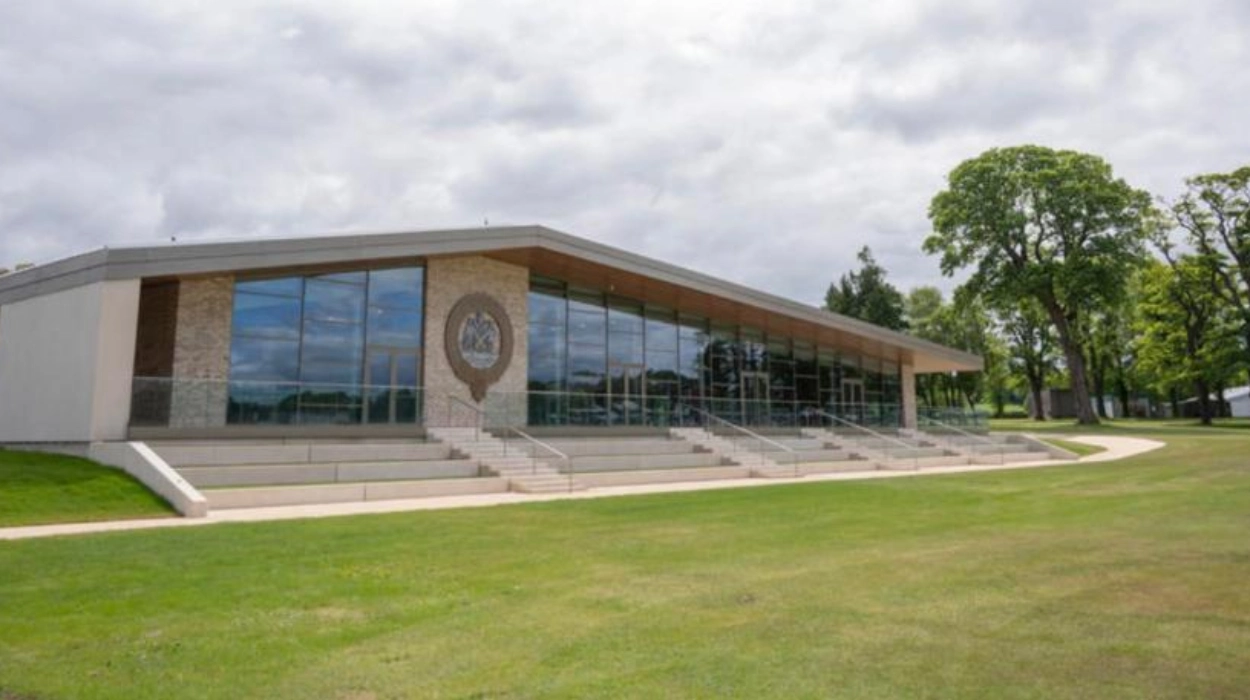
- The conference, held at the Royal Highland Centre at Ingliston, is focused on how science and innovation can strengthen the resilience, productivity and sustainability of Scottish agriculture.
- Mairi Gougeon MSP, Cabinet Secretary for Rural Affairs, Land Reform and Islands, is among the key speakers and is expected to address the role of government and industry in supporting a more resilient farming sector.
- NFU Scotland President Andrew Connon has highlighted the importance of science and innovation as Scottish agriculture prepares for changes in agricultural policy.
- Speakers include Jilly Duncan Grant of Herd Advance, Dr Mike Christian of the Digital Dairy Chain, Tom Porter of AgriAudit, Sion Williams of Bowhill Estate and Professor Tim George of the International Barley Hub.
- The programme covers issues including digital livestock tracking, low-carbon farming, agricultural research, productivity, animal health, climate challenges and emerging market trends.
- The Scottish Government subsequently announced an additional £7.4 million for the Future Farming Investment Scheme (FFIS), taking its total budget to £21.4 million following strong demand from farmers and crofters.
- A total of 7,584 applications were received for the FFIS, highlighting demand for investment in farm efficiency, environmental measures and climate-friendly technology.
- Additional funding was also announced for agricultural innovation, MyHerdStats, the Knowledge Transfer and Innovation Fund (KTIF), the Small Producers Pilot Scheme and Farmstrong Scotland’s Social Wellbeing Project.
The NFU Scotland Autumn Conference has placed farm resilience, science and innovation at the centre of discussions about the future of Scottish agriculture, bringing together industry and government representatives at a time when farmers and crofters face changing agricultural policy, market pressures, extreme weather and the need to improve productivity.
According to Carly Ross of NFU Scotland, writing in the organisation’s official conference announcement, the Autumn Conference and Council Meeting was scheduled for 23 October 2025 at the Royal Highland Centre in Ingliston, with the theme “Science and Innovation”. The event was designed to examine technologies, research and market developments that could shape the future of farming in Scotland.
The conference was particularly significant because Scottish agriculture is undergoing a period of policy and operational change. Farmers are being asked to improve productivity while responding to climate pressures, environmental requirements and changing market expectations. The emphasis on resilience therefore extends beyond simply coping with difficult seasons and includes the ability of farm businesses to remain productive, sustainable and financially viable.
Why was farm resilience a central issue at the NFU Scotland conference?
The conference’s focus reflected the range of pressures facing Scottish farmers and crofters.
In its announcement, NFU Scotland said the event would explore how innovation could help address major challenges facing agriculture while creating new opportunities. Areas highlighted included digital livestock tracking and low-carbon farming, alongside developments in agricultural research and changing markets.
The organisation said science and innovation could help farmers respond to challenges while contributing to a “smarter, fairer future” for Scottish food and farming.
NFU Scotland President Andrew Connon said the conference was taking place at a pivotal point for Scottish agriculture. According to Carly Ross’s NFU Scotland report, Connon argued that the role of science and innovation had become particularly important with new agricultural policy approaching.
He also welcomed the participation of Cabinet Secretary Mairi Gougeon and specialist speakers, saying their contributions would help NFU Scotland members understand what lies ahead and participate in shaping the sector’s future.
The focus on innovation is significant because resilience increasingly involves technology, data, research and better management practices alongside traditional farming knowledge.
Who was expected to speak at the NFU Scotland Autumn Conference?
The programme brought together speakers from government, research, technology and agricultural businesses.
Mairi Gougeon MSP, Cabinet Secretary for Rural Affairs, Land Reform and Islands, was scheduled to open the conference. NFU Scotland said her address would consider how government and industry could work together to create a more resilient and sustainable farming sector.
Other confirmed speakers included:
- Jilly Duncan Grant, Herd Advance
- Dr Mike Christian, Programme Director, Digital Dairy Chain
- Tom Porter, Managing Director, AgriAudit
- Sion Williams, Estate Manager, Bowhill Estate
- Professor Tim George, International Barley Hub
The range of speakers reflected the conference’s wider approach. Rather than treating resilience as a single issue, the programme connected technology, agricultural research, livestock management, land use and market developments.
NFU Scotland said delegates would hear about developments ranging from digital approaches to livestock tracking to low-carbon farming, with the objective of examining how innovation could address existing pressures and unlock opportunities.
What did Mairi Gougeon say about resilience and innovation?
In her speech to the conference, Mairi Gougeon described science and innovation as central to building a resilient, profitable and sustainable future for Scottish farming.
The Scottish Government’s published transcript states that Gougeon identified several benefits of applying science and innovation, including improving sustainable productivity, addressing climate challenges, protecting animal and plant health, safeguarding food security, supporting rural economic growth and responding to changing market and consumer expectations.
Gougeon also acknowledged the immediate pressures facing farmers and crofters. These included volatile input costs, market shocks, disease, drought and the effects of Storm Amy. She said that despite these challenges, the resilience of farmers and crofters remained evident and described them as the backbone of rural economies and communities.
Her comments placed farm resilience within a broader framework. For the Scottish Government, resilience is linked not only to production but also to farmer wellbeing, innovation, animal welfare, environmental management and the long-term competitiveness of rural businesses.
How is farmer wellbeing connected with farm resilience?
The conference also placed attention on the human side of agricultural resilience.
Gougeon announced £25,000 for Farmstrong Scotland’s Social Wellbeing Project, aimed at supporting mental health and social connection among farmers and crofters. The funding is intended to support a dedicated engagement lead and a programme of events across Scotland.
Gougeon linked healthier and happier farmers with stronger farm businesses, arguing that farmers and crofters are better positioned to adopt innovation and make progress when their health and wellbeing are supported.
The announcement demonstrates that resilience is being considered in both business and human terms. Agricultural businesses depend on the people running them, meaning financial stability, operational efficiency and personal wellbeing are interconnected.
This wider understanding of resilience also creates an important link with Management and Leadership and Human Resources, particularly where agricultural organisations need to develop people, manage change and maintain effective teams during periods of economic or environmental uncertainty.
What role does science play in the future of Scottish agriculture?
According to Gougeon’s speech, Scotland already has significant research capabilities, including research institutes, trial farms and collaboration between scientists and farmers.
She argued that innovation could contribute to more resilient crops and livestock, improved animal health and welfare, healthier soils and greater biodiversity. It could also help farmers respond to climate change, use inputs more efficiently and adopt digital tools for precision farming.
The Scottish Government had invested £17 million in the Crop Innovation Centre at the James Hutton Institute’s Invergowrie campus and the International Barley Hub, created in partnership with the University of Dundee, according to Gougeon’s conference speech.
Another example cited by Gougeon was MyHerdStats, which by September 2025 had reached nearly half of Scotland’s cattle keepers and represented more than 60 per cent of the national herd. She credited the platform’s adoption to its practical value and thanked NFU Scotland for helping raise awareness among its members.
What happened to the Future Farming Investment Scheme?
One of the most significant announcements associated with the conference concerned the Future Farming Investment Scheme.
The Scottish Government had launched the scheme in July 2025 with a £14 million budget. It offered flexible capital grants, including upfront payments of up to £20,000 at a 100 per cent grant rate, intended to allow farmers to select investments suited to their individual businesses.
Demand was substantially higher than initially anticipated.
According to the Scottish Government, 7,584 applications were received by the deadline. In response, Gougeon announced an additional £7.4 million, increasing total FFIS funding from £14 million to £21.4 million.
NFU Scotland subsequently welcomed the increase, describing it as the result of sustained lobbying for greater investment in farm productivity and innovation. In its statement, NFU Scotland said the additional funding represented an increase of more than 50 per cent.
Andrew Connon, NFU Scotland President, said the additional funding was a welcome response to the organisation’s case for greater investment and argued that the level of demand demonstrated farmers’ willingness to invest in a more efficient and sustainable future when appropriate support is available.
The scheme’s focus also connects closely with Environmental and Agriculture, Power Systems and Maintenance, Data Science and Visualization and Logistics and Supply Chain, where technology, resource efficiency, data and operational planning increasingly influence agricultural resilience.
What other funding was announced at the conference?
The Scottish Government’s announcements went beyond the FFIS.
Gougeon confirmed more than £554,000 for six projects through the Knowledge Transfer and Innovation Fund, supporting initiatives intended to connect farmers, researchers and rural businesses.
The projects included initiatives involving farmer clusters, agroecology, pig herd data, livestock and climate resilience, calf hygiene and mental strength.
The government also confirmed £249,000 for the Scottish Agricultural Organisation Society to support the continued delivery and development of the MyHerdStats platform. A further £500,000 was announced for the Small Producers Pilot Scheme, while up to £200,000 was allocated through the Small Producers Practical Training Fund.
The £25,000 allocation to Farmstrong Scotland was also confirmed as part of the package.
These measures collectively demonstrate that the resilience agenda extends from physical farm infrastructure and technology to skills, knowledge transfer, smaller producers and farmer wellbeing.
How does the conference fit into Scotland’s changing agricultural policy?
The conference took place against the backdrop of major changes in Scotland’s agricultural support system.
NFU Scotland has repeatedly argued that future support should help farmers maintain productivity while improving resilience and environmental outcomes. Earlier in 2025, the organisation had called for clarity over the future support framework and the allocation of funding across different tiers.
The emphasis on innovation and investment at the Autumn Conference therefore provided an opportunity for farmers and policymakers to discuss how future agricultural policy could translate into practical support.
The subsequent FFIS funding increase also demonstrated the interaction between industry pressure and government policy. NFU Scotland said its lobbying had helped build the case for additional funding, while the Scottish Government presented the increase as a response to exceptionally high demand.
What does the conference mean for the future of Scottish farming?
The conference underlined that resilience is becoming a central consideration for Scottish agriculture.
For farmers and crofters, resilience increasingly involves managing multiple pressures at the same time: input costs, market volatility, extreme weather, disease, environmental requirements, technological change and evolving government policy.
The discussions around science and innovation suggest that agricultural resilience will increasingly depend on the ability of businesses to use research, technology, data and investment alongside established farming expertise.
At the same time, the announcements around Farmstrong Scotland and knowledge-transfer projects show that policymakers and industry representatives are also recognising the importance of people and skills.
The NFU Scotland Autumn Conference, as reported by Carly Ross of NFU Scotland, was therefore positioned not simply as a discussion about new technology, but as a broader examination of how Scottish agriculture can become more productive, sustainable and resilient.
The subsequent £7.4 million increase in the Future Farming Investment Scheme reinforced that focus, providing additional public funding for farmers seeking to invest in their businesses. The Scottish Government said the increased investment would help support innovation and resilience across Scotland’s farming and food sectors.
For organisations supporting agricultural businesses, the developments also underline the growing importance of skills in Management and Leadership, technology, sustainability, data and operational planning. As Scottish farming adapts to a changing policy and economic environment, professional development can form part of the wider effort to strengthen organisational capability alongside investment in farms themselves.