
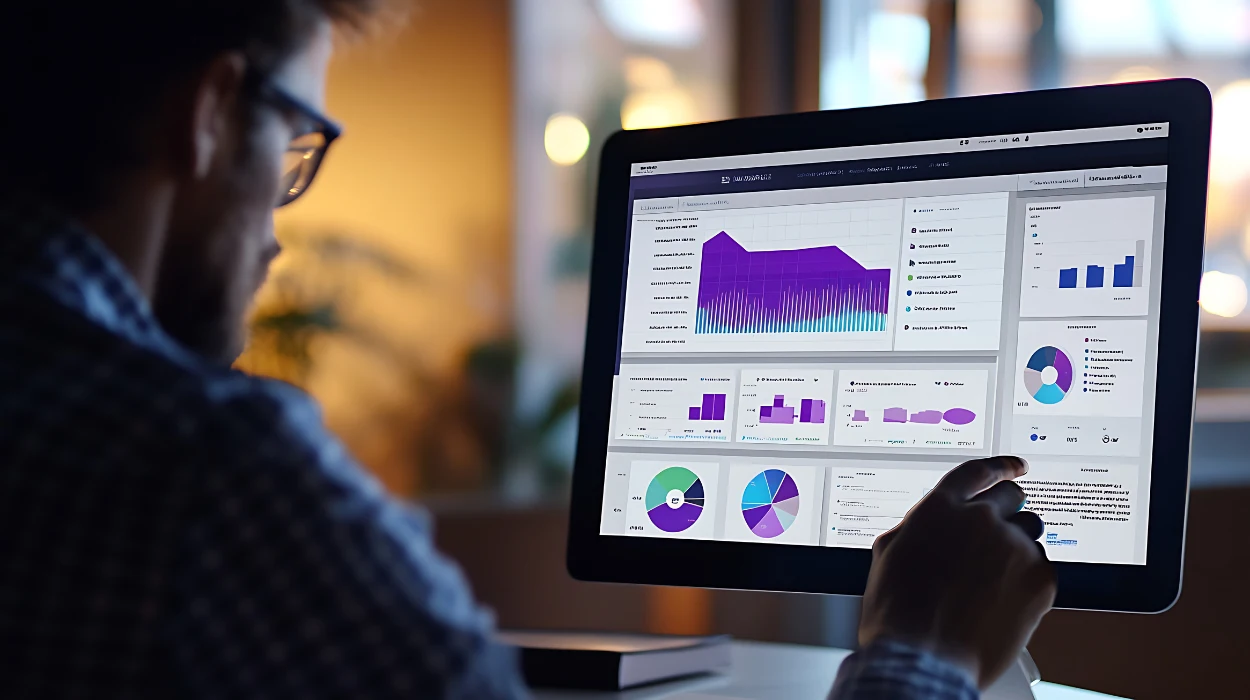
In the rapidly evolving marketing landscape of 2025, success increasingly hinges on the ability to make informed decisions grounded in data. Marketers who rely on intuition alone risk inefficiencies, missed opportunities, and poor campaign performance. The adoption of data-driven decision making empowers marketing professionals to optimise strategies, measure outcomes accurately, and deliver significant business value. From B2B sales techniques to enterprise sales strategies, integrating data into every decision ensures precision, agility, and effectiveness across all marketing activities.
Data-driven approaches allow organisations to understand customer behaviour, track performance metrics, and refine campaigns in real time. Whether targeting new prospects or nurturing long-term relationships, leveraging data helps marketers design impactful campaigns, allocate resources effectively, and achieve measurable results. In this blog, we will explore why data-driven decision making is essential in 2025, how it transforms marketing practices, and the strategies marketers can adopt to gain a competitive edge.
The Importance of Data-Driven Decision Making in Modern Marketing
Data-driven decision making involves using quantitative and qualitative insights to guide marketing strategies, optimise campaigns, and improve customer engagement. For marketers, it is the foundation of sales performance optimisation, ensuring resources are allocated where they generate maximum impact. Organisations that adopt a data-first mindset are better equipped to respond to market trends, identify growth opportunities, and mitigate risks.
One of the critical areas where data-driven marketing delivers measurable results is in B2B sales enablement. By analysing client interactions, purchase history, and engagement metrics, marketers can tailor strategies to improve B2B client acquisition strategies, target high-value accounts, and consistently deliver solutions that meet client needs. This approach enhances both customer experience and sales outcomes.
How Data-Driven Insights Transform B2B Marketing
In the context of B2B marketing, data-driven decision making is particularly valuable due to the complexity of enterprise sales. High-value contracts and large accounts require sophisticated approaches, such as strategic sales for large accounts, account-based selling strategies, and complex sales strategies. Integrating data into these processes enables marketers to:
- Prioritise prospects based on likelihood to convert
- Tailor messaging and campaigns for specific enterprise clients
- Monitor campaign effectiveness and ROI in real time
Marketers can implement business-to-business sales best practices more effectively when armed with accurate data, enhancing their ability to win and retain enterprise clients consistently.
Advanced B2B Sales Techniques Powered by Data
To stay competitive in 2025, marketers must leverage advanced B2B sales techniques for professionals. Data-driven insights allow for refined targeting, precise segmentation, and the development of high-impact sales strategies for corporate clients.
Key Techniques Include:
- Consultative Selling for Large Organisations
Using data to understand pain points and business challenges enables marketers to position solutions that resonate with clients. - Effective Account Management in B2B Sales
Tracking engagement metrics and client interactions ensures personalised communication and long-term relationship building. - Sales Negotiation Techniques for Enterprise Deals
Historical data and predictive analytics help sales teams negotiate more effectively, anticipating client objections and needs.
Integrating these techniques with a data-driven approach ensures that teams are equipped with high-performance sales skills required to excel in complex B2B environments.
Driving Business Growth Through Enterprise Sales Strategies
Data-driven decision making is a cornerstone of enterprise sales strategies. By leveraging insights from CRM systems, analytics platforms, and customer behaviour data, marketers can develop campaigns that drive measurable results. This includes improving B2B sales success rates, identifying opportunities for upselling or cross-selling, and targeting high-value prospects for winning enterprise clients.
Steps to Leverage Data for Enterprise Success:
- Segment accounts based on industry, size, and purchase history
- Personalise messaging and content for decision-makers
- Use predictive analytics to forecast sales opportunities
- Measure engagement and adjust campaigns dynamically
Such an approach ensures that marketing activities are aligned with strategic objectives, enhancing sales strategies for high-value contracts.
Optimising Marketing Performance with Data
A data-driven marketing strategy enables marketers to optimise campaigns for maximum impact. Real-time data allows teams to adjust messaging, channels, and targeting to improve conversion rates and ROI. By tracking metrics such as lead generation, engagement, and conversion, organisations can implement high-impact digital marketing strategies and sales performance optimisation measures.
Benefits of Data-Driven Optimisation:
- Improved accuracy in targeting and segmentation
- Enhanced customer journey mapping and engagement
- Evidence-based adjustments to marketing spend
- Better alignment of sales and marketing efforts
These benefits collectively contribute to building long-term relationships with enterprise clients and driving sustained business growth.
Data-Driven Approaches to Account-Based Selling
Account-based selling (ABS) is a strategic methodology for targeting high-value clients. When combined with data insights, ABS becomes significantly more effective. Marketers can:
- Identify key stakeholders and decision-makers
- Track interactions and engagement history
- Personalise communications for each account
- Monitor campaign performance and adjust in real time
By integrating account-based selling strategies with data analytics, organisations improve their ability to close complex deals and enhance customer satisfaction.
The Role of Technology in Data-Driven Marketing
Technology is essential for harnessing the power of data in modern marketing. Tools such as CRM platforms, marketing automation systems, analytics dashboards, and AI-driven insights provide marketers with actionable intelligence. These tools support:
- High-performance sales skills through automated workflows
- Real-time tracking of sales negotiation techniques for enterprise deals
- Efficient implementation of B2B client acquisition strategies
An integrated technology ecosystem ensures that marketing teams can execute data-driven strategies effectively, improving both efficiency and outcomes.
Best Practices for Implementing Data-Driven Marketing
For organisations seeking to adopt data-driven decision making, several best practices can guide the process:
- Centralise Data Sources: Integrate CRM, analytics, and marketing platforms for a unified view of client interactions.
- Define Metrics and KPIs: Establish clear performance indicators aligned with business objectives.
- Regular Analysis and Reporting: Continuously monitor campaigns and derive actionable insights.
- Personalisation and Segmentation: Use data to deliver relevant content and offers to the right audience.
- Cross-Functional Collaboration: Align sales, marketing, and customer success teams to leverage insights for high-impact sales strategies for corporate clients.
These practices ensure that marketers can fully leverage advanced B2B sales techniques to achieve sustainable growth.
Final Thoughts
Data-driven decision making is no longer optional for marketers; it is a strategic necessity in 2025. By integrating data into B2B sales techniques, enterprise sales strategies, and complex sales strategies, organisations can improve sales performance optimisation, win high-value accounts, and deliver consistent business outcomes. Marketers equipped with analytics insights can implement account-based selling strategies, personalise campaigns, and enhance business-to-business sales best practices.
Institutions like Oxford Training Centre offer specialised Sales and Marketing Training Courses designed to help professionals master high-performance sales skills, leverage data-driven approaches, and develop effective strategies for winning and retaining enterprise clients. By investing in training and adopting data-focused methodologies, marketers can build stronger client relationships, optimise their sales performance, and stay competitive in an increasingly complex business environment.