
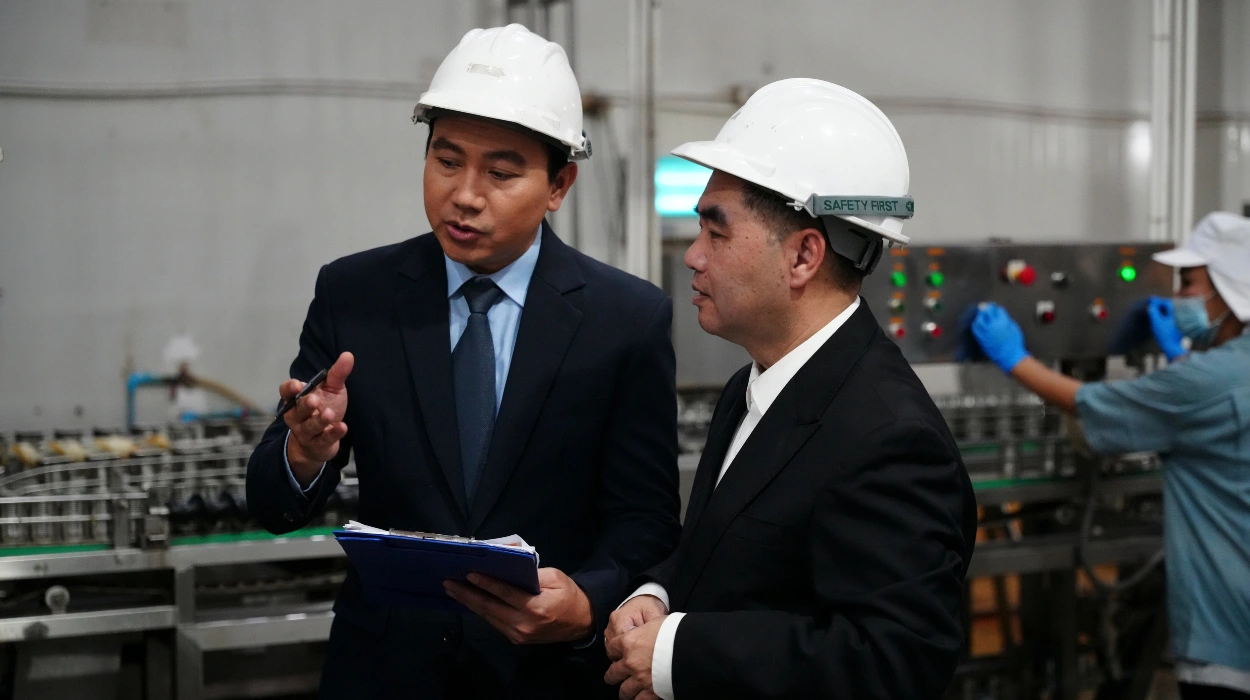
In today’s competitive business environment, achieving higher efficiency and productivity requires more than just hard work—it demands a commitment to continuous improvement. Organizations that integrate ongoing process enhancements, employee engagement, and operational excellence consistently outperform their peers. This guide explores the role of continuous improvement in driving productivity, offering actionable insights for businesses and professionals seeking tangible results.
Continuous improvement is a systematic approach to enhancing processes, workflows, and employee performance over time. When applied effectively, it reduces waste, improves quality, and fosters a culture of innovation. For managers and employees alike, understanding and implementing continuous improvement strategies for productivity gains can unlock significant performance potential.
Understanding Continuous Improvement
At its core, continuous improvement is about making incremental, measurable changes to processes, systems, and behaviors. Unlike one-time initiatives, it is an ongoing journey that encourages organizations to regularly assess operations and identify opportunities for enhancement.
Key principles include:
- Employee involvement: Encouraging staff at all levels to suggest improvements
- Systematic process evaluation: Regularly reviewing workflows and operations
- Data-driven decision-making: Using performance metrics to guide improvements
- Incremental gains: Focusing on small, achievable changes rather than radical overhauls
These principles ensure that productivity is enhanced sustainably, without disrupting existing operations or overwhelming teams.
How Continuous Improvement Drives Productivity
Productivity improvement is the primary goal of continuous improvement initiatives. By systematically analyzing workflows, businesses can identify inefficiencies, eliminate bottlenecks, and implement process optimization strategies.
The benefits include:
- Reduced errors and rework – Streamlined processes mean fewer mistakes and less wasted effort.
- Improved operational efficiency – Optimized workflows allow teams to complete tasks faster and more accurately.
- Enhanced employee engagement – Involving staff in improvement initiatives creates ownership and accountability.
- Higher quality output – Continuous improvement ensures that products and services meet higher standards consistently.
Implementing Kaizen Practices for Productivity Gains
One of the most widely recognized methods for continuous improvement strategies for productivity gains is Kaizen—a Japanese philosophy that emphasizes small, incremental improvements.
Key Kaizen practices include:
- Daily improvement activities: Encouraging employees to make small changes to their tasks or workflows every day.
- Problem-solving teams: Forming cross-functional teams to identify and resolve operational inefficiencies.
- Standardization: Once a process is improved, standardizing it to maintain consistency.
- Performance measurement: Tracking results to ensure that changes lead to measurable improvements.
By integrating Kaizen techniques to enhance business output, organizations can achieve gradual, sustainable improvements that compound over time, leading to significant productivity gains.
Process Optimization Strategies That Matter
Process optimization strategies are essential to achieving operational excellence. These strategies focus on refining workflows, eliminating redundancies, and improving resource utilization.
Practical approaches include:
- Workflow mapping: Visualizing processes to identify bottlenecks and inefficiencies
- Lean principles: Reducing waste by eliminating non-value-added activities
- Automation and digital tools: Leveraging technology to streamline repetitive tasks
- Regular audits: Continuously reviewing processes to identify new improvement opportunities
Adopting these methods ensures that workplace efficiency improvement is continuous, measurable, and aligned with organizational goals.
The Link Between Operational Excellence and Continuous Improvement
Operational excellence is the result of consistently applying continuous improvement principles across the organization. Companies that focus on operational excellence achieve:
- Faster project completion times
- Lower operational costs
- Higher customer satisfaction
- A culture of innovation and adaptability
Operational excellence is both a byproduct and a driver of improving quality and performance through continuous improvement. The two work hand-in-hand, creating a virtuous cycle where each improvement leads to further productivity gains.
Overcoming Challenges in Continuous Improvement
While continuous improvement offers significant benefits, organizations may face challenges when implementing it:
- Resistance to change: Employees may be hesitant to adopt new processes or workflows.
- Lack of training: Teams need proper guidance on improvement techniques, including Kaizen and process optimization.
- Inconsistent measurement: Without proper metrics, it’s difficult to assess the effectiveness of changes.
- Overemphasis on short-term results: Continuous improvement requires patience and long-term commitment.
To overcome these challenges, organizations should invest in training, set clear improvement goals, and foster a culture that values learning and innovation.
Practical Steps to Implement Continuous Improvement
To maximize productivity gains, organizations can follow these practical steps:
- Identify key areas for improvement – Use performance metrics to pinpoint inefficiencies.
- Engage employees at all levels – Encourage staff to contribute ideas and suggestions.
- Implement incremental changes – Focus on small, achievable improvements rather than large-scale overhauls.
- Standardize successful processes – Once a change proves effective, formalize it to maintain consistency.
- Monitor results and refine strategies – Use KPIs to track progress and make necessary adjustments.
- Foster a culture of continuous learning – Promote skill development and knowledge sharing across teams.
By following these steps, organizations can ensure that continuous improvement translates into measurable productivity improvement.
Case Example: Continuous Improvement in Action
Consider a manufacturing firm experiencing delays in order fulfillment. By applying Kaizen practices and process optimization strategies, the company:
- Mapped production workflows to identify bottlenecks
- Introduced daily team huddles to discuss minor improvements
- Automated inventory tracking to reduce manual errors
- Standardized assembly procedures for consistency
As a result, the company saw a 20% increase in production output, a significant reduction in errors, and higher employee satisfaction—a clear demonstration of how continuous improvement increases workplace efficiency.
Benefits Beyond Productivity
While the primary goal is productivity improvement, continuous improvement offers additional benefits:
- Enhanced quality – Improved processes result in higher-quality products and services.
- Employee engagement – Staff feel valued when their input contributes to improvements.
- Agility and adaptability – Organizations can quickly respond to changes in market conditions.
- Long-term cost savings – Eliminating inefficiencies reduces operational expenses over time.
Integrating continuous improvement into daily operations creates a resilient organization capable of sustained growth and operational excellence.
Conclusion
Continuous improvement is not a one-time initiative—it is a mindset that drives workplace efficiency improvement, operational excellence, and long-term productivity gains. By adopting Kaizen techniques to enhance business output, implementing process optimization strategies, and fostering a culture of ongoing enhancement, organizations can achieve measurable improvements in quality and performance.
For professionals and teams seeking structured guidance, the Oxford Training Centre offers specialized Quality and Productivity Training Courses. These courses provide actionable strategies, tools, and hands-on techniques to help employees implement continuous improvement strategies for productivity gains effectively, ensuring sustainable business success.