
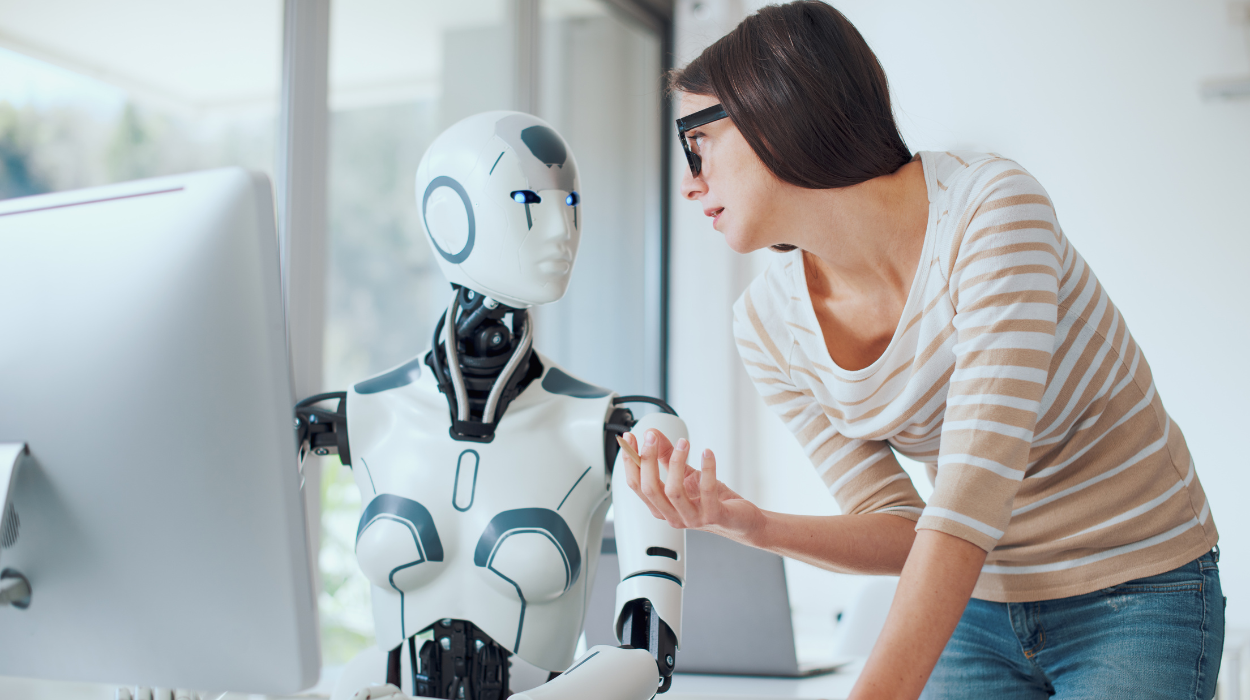
The intersection of artificial intelligence and creative industries is reshaping the world of art and music. AI in art and music is no longer a futuristic concept—it has become an essential tool for artists, composers, and digital creators seeking innovative ways to express their ideas. By combining machine learning, generative algorithms, and computational design, AI enables creators to explore new creative dimensions, automate repetitive tasks, and push the boundaries of artistic expression. This guide explores how AI is changing art and music creation, highlighting practical applications, tools, and future possibilities.
Understanding AI in Art and Music
AI in art and music leverages machine learning algorithms and computational intelligence to assist, enhance, or even generate creative content. Artists and musicians use AI for tasks ranging from digital illustration and music composition to immersive installations and interactive experiences. Artificial intelligence creative applications can analyze patterns, replicate styles, and provide suggestions that inspire creators to experiment with new techniques.
Machine learning in art and music enables systems to learn from large datasets, recognize patterns, and generate outputs that reflect stylistic nuances or thematic preferences. For example, AI can analyze classical compositions to produce music in similar styles or generate digital paintings that emulate famous artists’ techniques.
AI for Digital Art and Music Composition
AI for digital art and music composition allows creators to automate aspects of the creative process while maintaining artistic control. In music, AI-assisted music production tools can generate melodies, harmonies, and rhythms, giving composers new ways to experiment with sound. Similarly, in digital art, AI algorithms can generate illustrations, transform photographs, or create entirely new visual concepts.
These AI-powered tools provide a collaborative environment where creators can refine outputs, adjust parameters, and guide the AI’s generative processes. This interaction between human creativity and computational intelligence enhances productivity and broadens creative possibilities.
Creative AI Tools for Artists
Creative AI tools for artists encompass a range of software and platforms designed to support and augment artistic workflows. These tools include:
- Generative AI for creative projects: Platforms that generate novel visual or musical content based on input parameters.
- AI-assisted music production software: Tools that compose melodies, suggest harmonies, or automate arrangement processes.
- Computational art and AI design applications: Software for creating interactive visuals, generative installations, and digital media.
By incorporating AI into their workflow, artists can experiment with unconventional ideas, explore new artistic directions, and produce high-quality outputs faster than traditional methods alone.
Machine Learning in Art and Music
Machine learning in art and music involves training algorithms on datasets of existing creative works to produce outputs that reflect learned patterns. In visual art, machine learning models can study brushstrokes, color palettes, and composition styles to generate artwork that emulates or innovates upon established styles. In music, machine learning models can analyze rhythms, chord progressions, and melodic structures to create compositions in a specific genre or style.
This technology enables both novice and professional creators to explore complex creative techniques without requiring advanced technical skills, democratizing access to high-level artistic innovation.
AI Creativity and Innovation
AI creativity and innovation have redefined what is possible in artistic production. By providing new ways to conceptualize and execute creative ideas, AI fosters experimentation and inspiration. Artists can leverage AI to:
- Generate novel ideas for digital art, music, or multimedia projects
- Explore stylistic variations and fusion of genres
- Rapidly prototype compositions and visual artworks
AI does not replace human creativity but rather amplifies it, allowing artists to focus on conceptual decisions while leveraging computational intelligence for technical execution.
Computational Art and AI Design
Computational art and AI design combine algorithmic logic with artistic intent to produce innovative works. Artists use AI algorithms to create generative art installations, interactive visuals, and digital sculptures. Techniques such as neural style transfer, procedural generation, and AI-based animation empower creators to develop works that are dynamic, adaptive, and responsive to user interactions.
In AI design, artists can also explore virtual reality (VR) and augmented reality (AR) applications, creating immersive experiences that blend digital and physical spaces, opening new horizons for artistic expression.
AI-Powered Music Composition
AI-powered music composition is transforming the music industry by providing composers, producers, and sound designers with tools to generate melodies, harmonies, and rhythms quickly. AI systems can:
- Suggest chord progressions or melodic motifs
- Analyze existing compositions to inspire new works
- Automate repetitive tasks such as beat matching, mixing, or arranging
This allows musicians to experiment with diverse musical styles, produce content faster, and collaborate with AI as a creative partner.
Practical Applications of AI in Creative Industries
The applications of AI in art and music extend beyond traditional creation. AI technologies are being used for:
- Interactive installations: AI-driven art that responds to audience movements or environmental inputs.
- Personalized content: Music and visual art tailored to individual preferences using predictive algorithms.
- Digital preservation: Using AI to restore, replicate, or reinterpret historical artworks and compositions.
These applications demonstrate the versatility of AI as a tool for creativity, innovation, and audience engagement.
Future Directions of AI in Art and Music
The future of AI in art and music promises even greater integration of human creativity and computational intelligence. Emerging trends include:
- Real-time AI collaboration between multiple creators
- Enhanced generative models capable of producing complex multimedia experiences
- AI-driven adaptive art that evolves based on audience interaction and feedback
As AI continues to advance, it will further transform the creative landscape, making it more accessible, dynamic, and innovative.
Conclusion: Embrace AI for Creative Innovation
AI is fundamentally changing the way art and music are created, offering tools for digital composition, generative projects, and computational design. From AI-assisted music production to creative AI tools for artists, these technologies enable creators to explore new creative dimensions, enhance efficiency, and produce innovative works that were previously unimaginable. Embracing AI in creative workflows empowers artists to amplify their creative potential while maintaining artistic vision and originality.
For individuals looking to master these emerging technologies, the Oxford Training Centre offers specialized IT and Computer Science Training Courses. These programs provide hands-on training in AI applications, machine learning, and computational creativity, equipping participants with the skills needed to leverage AI for art, music, and other creative projects.