
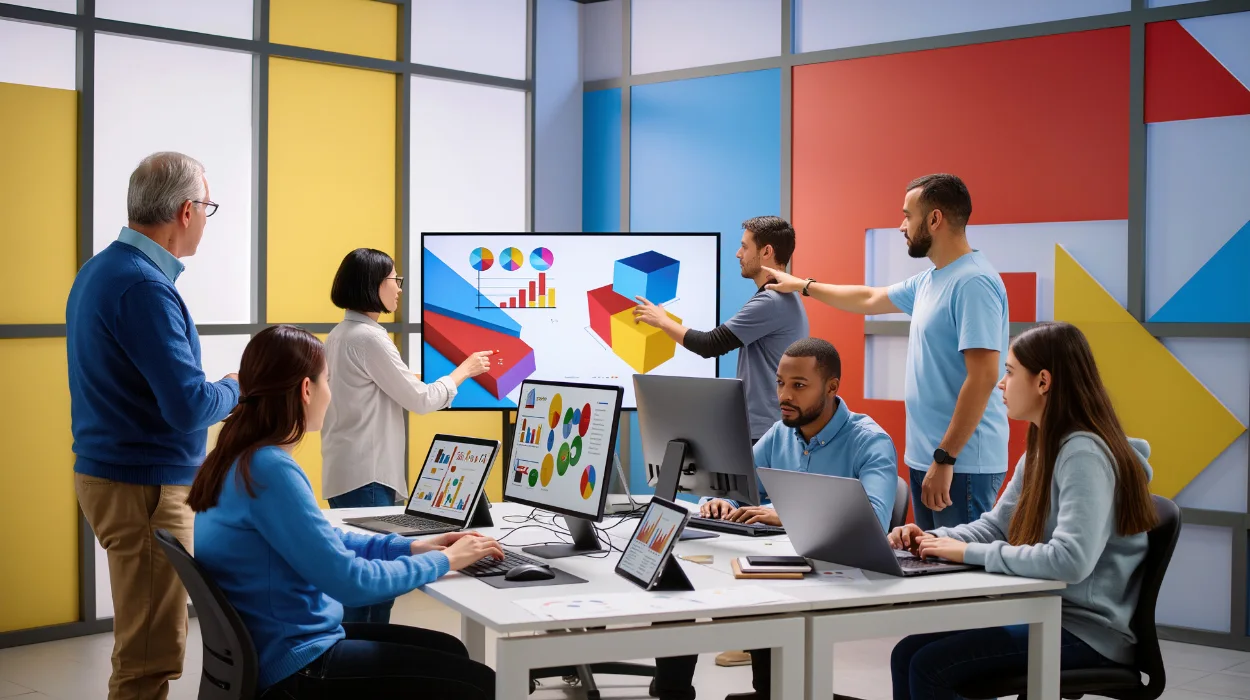
In today’s fast-evolving business landscape, Human Resources (HR) functions are experiencing a profound transformation. Organisations are increasingly adopting HR digitalisation trends to streamline operations, improve efficiency, and enhance employee experiences. As workforce expectations evolve and technology reshapes organisational structures, embracing digital HR tools and technologies has become crucial for future-ready HR management.
HR digitalisation is not just about automating administrative tasks; it is about strategically integrating technology to enable data-driven decision-making, improve employee engagement, and drive organisational performance. For HR leaders and managers, understanding and implementing HR tech transformation strategies is key to building a workforce that is agile, efficient, and aligned with business goals.
1. The Rise of Digital Workforce Management
The adoption of digital workforce management solutions is transforming how organisations manage talent. Modern HR platforms allow companies to track employee performance, manage schedules, and optimise resources in real time. Key benefits include:
- Enhanced operational efficiency by reducing manual administrative tasks.
- Improved employee satisfaction through streamlined processes and self-service tools.
- Data-driven insights that inform strategic HR decisions.
By leveraging HR automation and digital tools, organisations can focus more on strategic workforce planning rather than routine tasks, enabling a more future-ready HR management approach.
2. Key HR Digitalisation Trends
Understanding HR digitalisation trends helps HR leaders stay ahead of the curve. Some of the most impactful trends in 2025 include:
- Cloud-Based HR Platforms: Enabling remote access and collaboration across distributed teams.
- Artificial Intelligence (AI) in HR: Automating candidate screening, performance analytics, and predictive workforce planning.
- People Analytics: Using data to gain insights into employee behaviour, engagement, and productivity.
- Mobile-First HR Solutions: Offering employees convenient access to HR services on the go.
- Employee Self-Service Portals: Reducing administrative burden and empowering employees to manage personal data and requests.
These trends highlight the growing importance of technology-driven HR processes in supporting efficient and agile workforce management.
3. Benefits of HR Digital Transformation
Implementing HR digital transformation 2025 initiatives brings multiple benefits:
- Operational Efficiency: Automating repetitive tasks such as payroll, leave management, and attendance tracking reduces errors and saves time.
- Data-Driven Decisions: Leveraging insights from HRIS and digital HR platforms helps managers make informed workforce decisions.
- Enhanced Employee Experience: Digital tools simplify processes, provide transparency, and improve engagement.
- Scalable HR Processes: Organisations can easily adapt to workforce growth or organisational restructuring.
- Compliance and Security: Digital HR platforms support regulatory compliance and secure management of employee data.
These advantages underscore why modern HR digital solutions are critical for organisations seeking sustainable growth and competitiveness.
4. Key Digital HR Tools and Technologies
Digital HR tools and technologies are central to effective workforce management. Some essential tools include:
- Human Resource Information Systems (HRIS): Integrates core HR functions like payroll, benefits, and employee records.
- Learning Management Systems (LMS): Facilitates online training, skill development, and upskilling programs.
- Performance Management Platforms: Automates performance reviews, feedback, and goal tracking.
- Recruitment and Onboarding Software: Streamlines hiring processes and reduces time-to-fill positions.
- Collaboration Tools: Supports communication and knowledge sharing across teams.
Integrating these platforms into daily operations allows HR teams to implement HR tech transformation strategies effectively.
5. HR Automation and Its Impact
HR automation and digital tools play a pivotal role in reducing manual workload, enhancing accuracy, and ensuring compliance. Benefits of automation include:
- Faster and more accurate payroll and benefits administration.
- Automated tracking of employee attendance, leave, and performance metrics.
- Enhanced recruitment workflows with AI-driven candidate screening.
- Streamlined reporting and analytics for strategic decision-making.
By embracing automation, HR leaders can focus on strategic initiatives such as workforce planning, employee engagement, and talent development, all of which are critical for future-ready HR management.
6. Enhancing Decision-Making with HRIS and Analytics
The integration of HRIS and digital HR platforms enables organisations to leverage data for strategic workforce decisions. Analytics tools provide insights into:
- Employee productivity and engagement levels.
- Skills gaps and training needs.
- Succession planning and talent mobility.
- Predictive workforce trends to anticipate attrition or hiring requirements.
Using data-driven insights, HR managers can make more informed decisions, aligning digital workforce management practices with organisational objectives.
7. Supporting Employee Experience Through Digital Solutions
A key focus of modern HR digital solutions is enhancing the employee experience. Employees increasingly expect intuitive and seamless interactions with HR systems. Features that contribute to a positive experience include:
- Self-service portals for leave requests, benefits management, and personal data updates.
- Mobile applications for easy access to HR services.
- Transparent performance tracking and feedback systems.
- Learning and development platforms that support career growth.
Improving the employee experience directly impacts engagement, productivity, and retention, all essential elements of future-ready HR management.
8. Future-Ready HR Management Practices
To remain competitive in 2025 and beyond, HR leaders should implement the following HR digital transformation 2025 practices:
- Adopt a cloud-based, integrated HR platform for seamless operations.
- Invest in AI and analytics to enhance decision-making and workforce planning.
- Promote a digital-first culture, encouraging employees to leverage HR technology.
- Continuously monitor emerging HR digitalisation trends to stay ahead of industry changes.
- Align technology adoption with overall business strategy to maximise ROI.
These strategies ensure that organisations are not only keeping pace with change but are also proactive in shaping the future workforce.
9. Challenges and Considerations
While digitalisation offers immense benefits, HR leaders must address potential challenges:
- Change Management: Employees and managers must be guided through the transition to new digital processes.
- Data Security: Protecting sensitive employee data is critical, requiring robust security protocols.
- Integration: Ensuring compatibility between different HR tools and existing enterprise systems.
- Training: Employees need support and training to effectively use new digital HR platforms.
Addressing these considerations ensures a smooth and successful HR tech transformation journey.
10. Strategic Approach to Digital HR Transformation
A structured approach is essential for implementing technology-driven HR processes. Steps include:
- Assess Current Capabilities: Identify gaps in existing HR systems and processes.
- Define Objectives: Align digitalisation initiatives with organisational goals.
- Select Appropriate Tools: Choose modern HR digital solutions that meet operational needs.
- Implement and Train: Roll out platforms with comprehensive employee training.
- Monitor and Optimise: Continuously evaluate system performance and refine processes.
Following this roadmap enables HR teams to implement digital workforce management practices effectively and sustainably.
Final Thoughts
Digitalisation is no longer an optional enhancement for HR; it is a critical enabler for future-ready HR management. By embracing HR digitalisation trends, leveraging digital HR tools and technologies, and implementing HR tech transformation strategies, organisations can build agile, efficient, and engaged workforces. Integrating HR automation and digital tools and utilising HRIS and digital HR platforms ensures that processes are streamlined, data-driven, and aligned with organisational strategy.
For HR professionals seeking to master these capabilities, the Oxford Training Centre offers specialised Human Resources Training Courses. These programs equip HR leaders with the knowledge, practical skills, and strategic insights needed to implement modern HR digital solutions, drive HR digital transformation 2025, and lead technology-driven HR processes in dynamic, future-focused workplaces.