
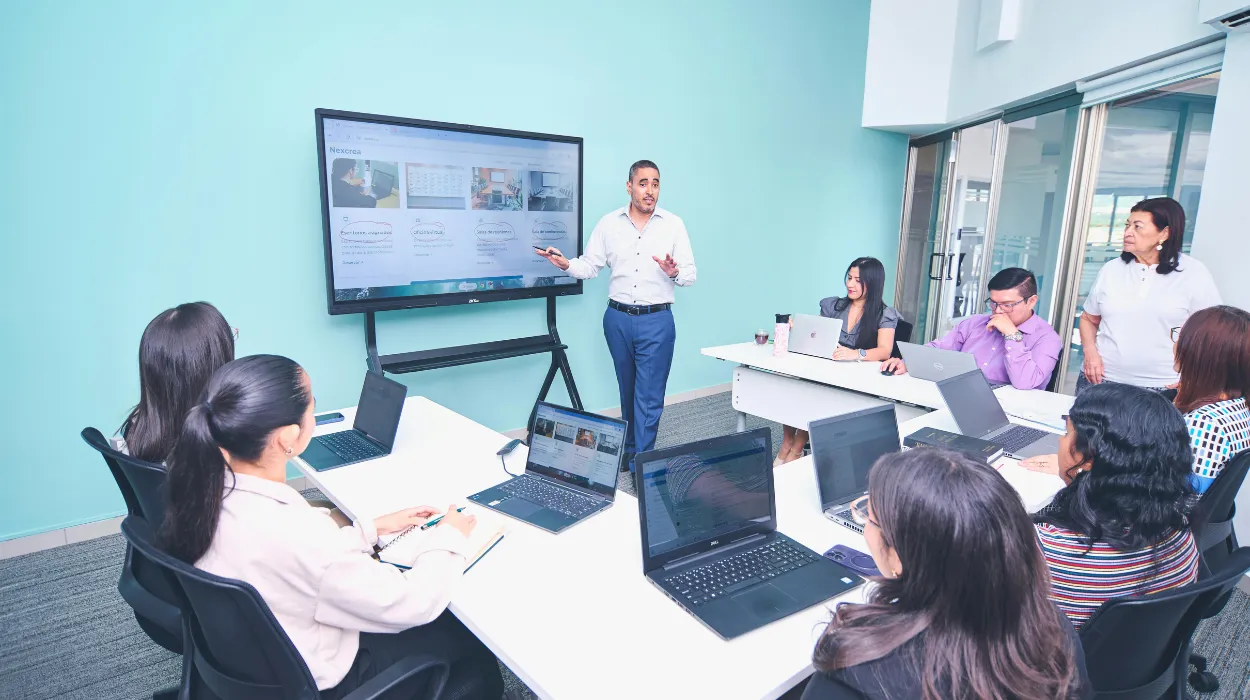
The role of Human Resources (HR) has evolved dramatically over the past decade. Gone are the days when HR was primarily administrative, focused solely on hiring, payroll, and compliance. Today, modern human resources practices are strategic, employee-centric, and digitally enabled, playing a critical role in driving organisational performance, engagement, and innovation.
Contemporary HR management is now central to developing competitive organisations that attract, retain, and motivate top talent. From leveraging digital HR practices to adopting agile HR practices, companies are reshaping workforce management to meet the demands of a rapidly changing business environment.
This article explores HR best practices in the workplace, emerging HR trends in the workplace, and how organisations can implement modern workforce management strategies to drive growth and operational efficiency.
The Evolution of Human Resources
The transformation from traditional HR to modern HR is marked by several key shifts:
- From Administrative to Strategic: HR now contributes to business strategy through workforce planning, performance analytics, and talent development.
- Employee-Centric Focus: Modern HR policies and systems prioritise employee engagement, satisfaction, and career growth.
- Digital Enablement: HR technology, such as Human Capital Management (HCM) platforms, digital onboarding, and analytics tools, enhances operational efficiency.
- Agility and Adaptability: Organisations adopt agile HR practices to respond quickly to workforce changes and market demands.
This evolution reflects a broader human resources transformation that positions HR as a strategic business partner rather than a back-office function.
Key Components of Modern Human Resources Practices
1. Strategic Human Resource Management
Modern HR aligns workforce planning with organisational goals. Through strategic human resource management, HR ensures that recruitment, training, and talent development initiatives directly support business objectives. Key practices include:
- Workforce analytics to predict skill gaps and talent needs
- Succession planning to prepare future leaders
- Integration of HR strategies with overall business strategy
This strategic approach transforms HR from a reactive function into a proactive driver of business success.
2. Employee-Centric HR Practices
Employee engagement and satisfaction are central to modern human resources practices. Organisations implement employee-centric HR practices such as:
- Personalised career development programs
- Flexible working policies
- Recognition and reward systems
- Employee wellness and mental health initiatives
By prioritising employee needs, HR strengthens retention and builds loyalty while enhancing productivity.
3. Digital HR Practices
Technology is at the heart of contemporary HR management. Digital HR practices improve efficiency, accuracy, and accessibility:
- Human Capital Management (HCM) systems for payroll, attendance, and performance tracking
- AI-driven recruitment tools for talent acquisition
- Digital onboarding and training platforms
- HR analytics dashboards for data-driven decision-making
Digital adoption allows HR teams to focus on strategic initiatives while automating routine administrative tasks.
4. Agile HR Practices
Modern organisations require flexibility to respond to evolving workforce demands. Agile HR practices emphasise collaboration, responsiveness, and continuous improvement:
- Cross-functional HR teams for rapid decision-making
- Continuous feedback mechanisms to monitor engagement
- Iterative talent development programs
- Adaptive HR policies to suit dynamic business needs
Agile HR fosters a culture of innovation and ensures that HR remains aligned with organisational objectives.
HR Best Practices in the Workplace
Implementing HR best practices in the workplace enhances workforce engagement, operational efficiency, and business performance. Key best practices include:
1. Continuous Learning and Development
Organisations invest in employee growth through training, mentorship, and upskilling programs. Modern HR policies and systems support structured learning paths that align with both individual and organisational goals.
2. Performance Management and Feedback
Regular, data-driven performance reviews, coupled with constructive feedback, drive productivity and engagement. Integrating HR analytics into performance management allows HR to identify trends and tailor interventions effectively.
3. Diversity, Equity, and Inclusion (DEI)
Contemporary HR promotes employee-centric HR practices by fostering inclusive workplace environments. DEI initiatives improve collaboration, innovation, and employee satisfaction.
4. Employee Engagement Programs
Engagement programs, including recognition platforms, wellness initiatives, and social engagement activities, reinforce loyalty and reduce turnover. HR innovation in organizations ensures these programs are tailored to workforce needs.
5. Work-Life Balance and Flexibility
Modern employees value flexibility. HR strategies such as remote work policies, flexible hours, and wellness programs enhance HR operational efficiency while supporting employee satisfaction.
HR Trends in the Workplace
The following HR trends in the workplace are shaping the future of work:
- AI and Automation: Streamlining HR tasks such as recruitment, payroll, and employee analytics
- People Analytics: Leveraging data to improve talent management and retention
- Employee Experience Platforms: Digital tools to enhance engagement, communication, and development
- Remote and Hybrid Work Models: Flexible arrangements becoming a standard expectation
- Agile HR Frameworks: Emphasising adaptability, responsiveness, and continuous improvement
Adopting these trends allows organisations to remain competitive while supporting a motivated and engaged workforce.
Building a Modern Workforce
Modern workforce management requires HR to integrate multiple practices into a cohesive strategy:
- Talent Acquisition and Retention: Leveraging data-driven recruitment and retention strategies to attract top talent
- Employee Engagement: Implementing programs that foster satisfaction, loyalty, and high performance
- HR Technology Integration: Using HCM systems, analytics dashboards, and AI tools for operational efficiency
- Leadership Development: Preparing employees for future leadership roles through coaching and mentorship
- Workplace Culture: Promoting a positive, inclusive, and innovative culture aligned with organisational goals
This integrated approach ensures that HR contributes meaningfully to organisational growth while enhancing employee satisfaction.
Future of Human Resources
The future of human resources is increasingly strategic, tech-enabled, and employee-focused. Organisations are moving toward:
- AI-powered recruitment and analytics
- Enhanced digital employee experiences
- Data-driven workforce planning
- Agile HR structures that adapt to business needs
- Employee-centric policies that prioritise engagement, wellness, and development
By embracing modern HR policies and systems, companies can create resilient workforces capable of thriving in an evolving business landscape.
Implementing Modern HR Practices
For HR professionals seeking to implement modern human resources practices, the following steps are essential:
- Assess Current HR Processes: Identify gaps in engagement, retention, and operational efficiency
- Adopt Digital Tools: Implement HCM, AI analytics, and digital learning platforms
- Develop Employee-Centric Policies: Focus on wellbeing, recognition, and career development
- Promote Agile HR: Encourage adaptability, continuous feedback, and iterative improvement
- Measure and Improve: Use HR analytics to track outcomes, employee satisfaction, and business impact
Effective implementation ensures that HR management strategies are aligned with both employee needs and organisational objectives.
Final Thoughts
Modern HR is no longer just a support function; it is a strategic driver of engagement, retention, and business performance. By implementing contemporary HR management practices, adopting digital HR practices, and prioritising employee-centric HR practices, organisations can build high-performing, loyal, and engaged teams.
For professionals seeking advanced knowledge and practical skills in modern human resources practices, the Oxford Training Centre offers specialised Human Resources Training Courses. These courses cover strategic human resource management, HR innovation in organizations, and HR operational efficiency, equipping HR leaders to implement modern workforce management strategies that drive measurable business results.