
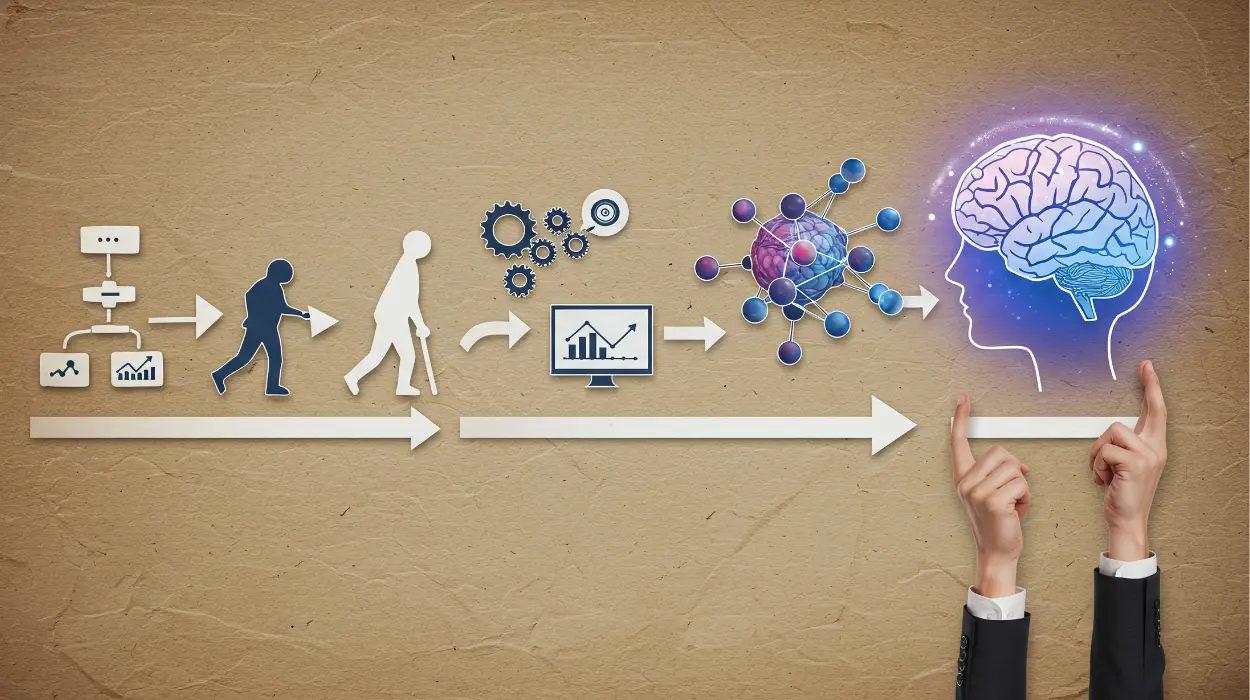
The world of Human Resources (HR) is undergoing a profound transformation. Traditional HR functions—once limited to payroll, attendance tracking, and recruitment—are now being revolutionised through digital HR tools. Organisations across industries are leveraging HR technology transformation to enhance efficiency, employee engagement, and strategic decision-making.
From HR software solutions and automation in human resources to AI in human resources and HR analytics and digital tools, the scope of HR has expanded beyond administrative tasks. Companies are adopting digital transformation in HR to create smarter, more responsive, and employee-focused organisations.
This article explores how HR management systems (HRMS), cloud-based HR tools, and emerging HR tech trends are reshaping modern HR practices while improving operational efficiency and employee experience.
The Rise of Digital HR Tools
Digital HR tools are software platforms and applications designed to streamline HR processes, automate administrative tasks, and provide data-driven insights. The adoption of these tools has accelerated in recent years due to increased remote work, complex workforce management needs, and a growing focus on employee experience.
Key drivers of digital HR adoption include:
- Need for operational efficiency through HR process automation
- Desire to improve digital employee experience
- Availability of smart HR solutions that integrate AI, analytics, and cloud technology
- Growing demand for HR digital innovation to support strategic HR initiatives
By embracing these tools, HR teams can move from reactive administration to proactive workforce management.
Core Digital HR Tools Transforming Human Resources
1. HR Management Systems (HRMS)
HR management systems (HRMS) are centralised platforms that streamline multiple HR functions:
- Payroll and benefits administration
- Attendance and leave tracking
- Employee data management
- Performance appraisal and goal tracking
Modern HR software solutions integrate these functions, reducing manual effort, improving accuracy, and providing real-time reporting for informed decision-making.
2. Cloud-Based HR Tools
Cloud-based HR tools allow organisations to access HR services remotely and securely. Key advantages include:
- Centralised employee information accessible anywhere
- Real-time updates on policies, attendance, and performance
- Integration with mobile apps for employee self-service
These tools are vital in supporting digital transformation in HR, especially for companies with distributed or hybrid teams.
3. AI in Human Resources
Artificial intelligence is a game-changer in HR. AI in human resources enhances recruitment, employee engagement, and workforce planning:
- AI-driven talent acquisition for faster candidate screening
- Predictive analytics for retention and attrition management
- AI-powered chatbots for employee queries and onboarding
By leveraging AI, HR teams gain actionable insights and automate routine tasks, freeing them to focus on strategic initiatives.
4. HR Analytics and Digital Tools
HR analytics and digital tools enable data-driven HR decisions. Organisations can measure employee engagement, performance, and productivity:
- Track workforce metrics and KPIs
- Analyse employee satisfaction and engagement trends
- Identify skill gaps and training needs
Analytics platforms transform HR from a transactional function into a strategic partner for business growth.
5. Automation in Human Resources
Automation in human resources simplifies repetitive tasks such as payroll processing, leave approvals, and compliance reporting. Benefits include:
- Reduced administrative errors
- Faster processing of HR requests
- Enhanced compliance with labour laws
Automation empowers HR professionals to dedicate more time to employee development and organisational strategy.
How Digital Tools Improve Workforce Management
The integration of technology in HR significantly enhances technology in workforce management. Organisations experience:
- Improved efficiency: Digital workflows and automation reduce manual interventions.
- Enhanced accuracy: Cloud-based platforms ensure consistent and error-free HR data.
- Better employee experience: Digital self-service portals enable employees to manage personal information, leave, and benefits easily.
- Data-driven decision-making: Analytics and AI help identify trends and inform workforce planning.
By adopting smart HR solutions, companies can align HR operations with broader business objectives, fostering productivity and engagement.
Enhancing the Digital Employee Experience
Digital employee experience is now a key focus of modern HR. Employees expect seamless, tech-enabled interactions with HR systems. Digital HR tools improve experience by:
- Offering mobile-accessible HR services
- Providing instant updates on policies, pay, and benefits
- Supporting digital learning and development platforms
- Facilitating transparent performance feedback
A positive digital experience enhances engagement, satisfaction, and retention while supporting HR digital innovation across the organisation.
Emerging HR Tech Trends
Modern HR leaders are embracing HR tech trends that drive efficiency, agility, and innovation:
- AI-Powered Recruitment: Automates candidate sourcing, screening, and shortlisting.
- Cloud-Based HRMS Platforms: Provide scalable solutions for global teams.
- HR Analytics Dashboards: Deliver insights on workforce productivity and engagement.
- Automation of Routine Processes: Minimises manual tasks and improves compliance.
- Employee Engagement Platforms: Encourage communication, feedback, and recognition.
By leveraging these trends, HR can operate as a strategic partner in organisational growth.
Implementing Digital Tools Successfully
Successful implementation of digital HR tools requires strategic planning:
- Assess organisational needs: Identify HR processes that can benefit most from technology
- Choose the right platform: Ensure the system integrates with existing workflows and scales with business growth
- Train HR teams: Provide guidance on using tools effectively to maximise ROI
- Communicate with employees: Ensure awareness and adoption through workshops and digital training
- Monitor and optimise: Use analytics to measure success and refine HR processes
Effective implementation ensures that digital tools enhance productivity, employee experience, and strategic decision-making.
Benefits of Digital Transformation in HR
The advantages of integrating digital transformation in HR are substantial:
- Operational efficiency: Streamlined workflows reduce administrative burdens
- Enhanced employee engagement: Self-service tools and AI support create positive experiences
- Data-driven insights: Analytics enable informed decision-making and workforce planning
- Scalability: Cloud-based and digital tools support growing and distributed teams
- Innovation: HR can focus on strategic initiatives and organisational development
By embracing HR software solutions, companies strengthen their HR capabilities while supporting overall business performance.
Challenges and Considerations
While the benefits are significant, organisations must address challenges in adopting digital HR tools:
- Data Security: Protecting sensitive employee information in digital platforms
- Change Management: Ensuring staff adoption and comfort with new tools
- Integration: Seamless connection with existing HR and business systems
- Cost Management: Evaluating the ROI of digital investments
By addressing these considerations, companies can maximise the impact of HR digital innovation.
Final Thoughts
Digital tools are reshaping HR, making it more efficient, strategic, and employee-focused. From HR management systems (HRMS) and cloud-based HR tools to AI in human resources and HR analytics and digital tools, technology empowers HR teams to streamline operations, improve engagement, and support organisational goals.
Professionals seeking to master digital HR tools, HR process automation, and HR technology transformation can benefit from the Oxford Training Centre, which offers specialised Human Resources Training Courses. These courses cover digital transformation in HR, smart HR solutions, and HR digital innovation, equipping HR leaders and professionals to implement cutting-edge strategies and tools that drive workforce productivity, engagement, and business success.