
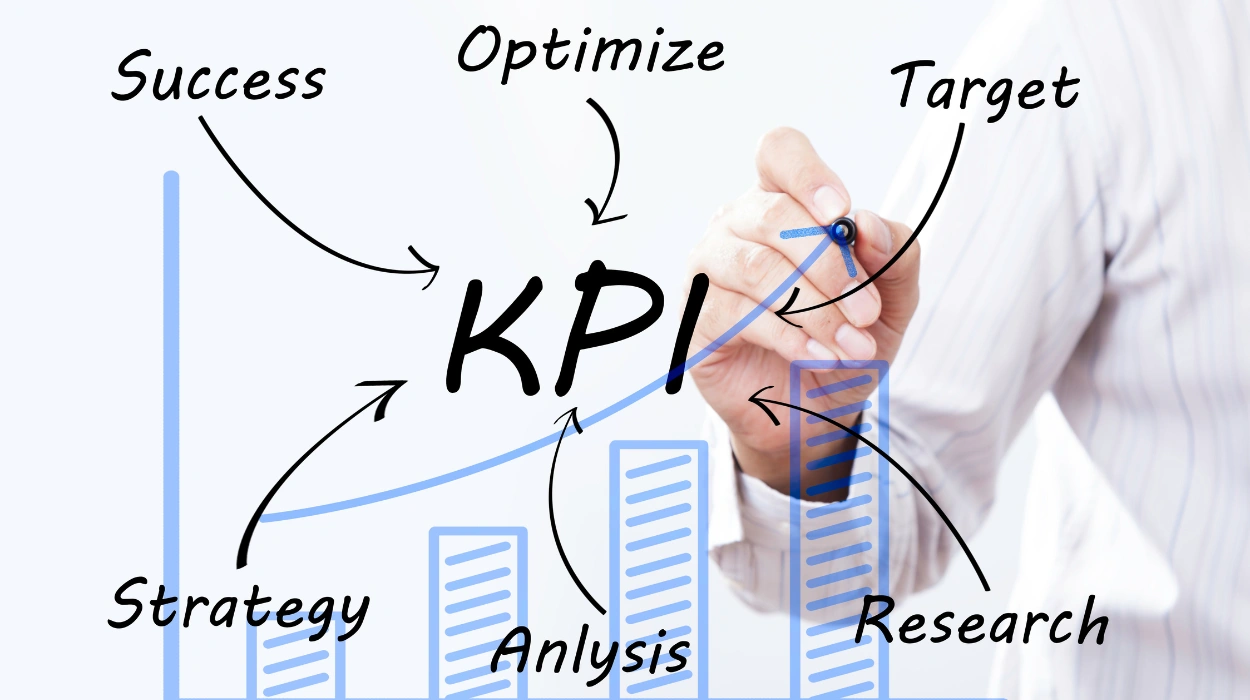
In today’s competitive business environment, delivering exceptional customer service is essential. However, understanding how well your team performs requires more than intuition—it demands precise metrics and Key Performance Indicators (KPIs). Measuring customer service performance training equips professionals with the knowledge to identify, track, and act on critical customer support metrics, ensuring continuous improvement.
This article explores the most important KPIs in customer service, methods for tracking performance, and strategies to enhance customer satisfaction while maintaining operational efficiency.
Understanding Customer Service KPIs
Key performance indicators in customer service provide measurable benchmarks for evaluating the effectiveness of support teams. They allow organizations to quantify service quality, responsiveness, and customer satisfaction. Customer service KPIs training course programs teach professionals how to select relevant metrics, analyze data, and translate insights into actionable strategies.
By focusing on the right KPIs, businesses can align customer support operations with broader organizational goals, ensuring consistent delivery of high-quality service.
Essential Customer Support Metrics and Analytics
Tracking customer support metrics and analytics is critical to understanding team performance. Common metrics include first response time, resolution time, customer satisfaction scores, and ticket backlog. By monitoring these indicators, managers can identify bottlenecks, optimize workflows, and improve overall service delivery.
Customer support analytics and reporting provide actionable insights that help organizations prioritize resources, implement process improvements, and maintain high levels of customer satisfaction.
Customer Satisfaction Measurement Techniques
Customer satisfaction measurement techniques are central to evaluating service quality. Tools such as Net Promoter Score (NPS), Customer Satisfaction Score (CSAT), and Customer Effort Score (CES) offer quantitative insights into customer perceptions. These metrics enable organizations to assess how well support teams meet customer expectations and identify areas for improvement.
By leveraging metrics-driven customer service management, businesses can proactively enhance the customer experience and build long-term loyalty.
Evaluating Service Quality and Efficiency
Evaluating both service quality and efficiency ensures that customer support teams meet performance standards while maintaining operational effectiveness. Metrics such as average handling time, first contact resolution, and agent utilization rates provide a balanced view of team productivity and effectiveness.
Performance benchmarking in customer support allows organizations to compare internal performance against industry standards, uncover gaps, and implement best practices for continuous improvement.
Metrics-Driven Customer Service Management
Adopting a metrics-driven customer service management approach ensures that decisions are based on objective data rather than assumptions. By integrating customer experience performance tracking into daily operations, managers can monitor trends, evaluate strategies, and adjust processes to enhance outcomes.
Metrics-driven management promotes accountability, aligns team objectives with organizational goals, and supports evidence-based decision-making.
Service Level KPIs and Monitoring
Service level agreements (SLAs) are critical benchmarks in customer support. Service level KPIs and monitoring measure adherence to response times, resolution deadlines, and overall service quality. Maintaining high SLA compliance ensures that customers receive timely support and reinforces trust in the organization.
Tracking these KPIs enables teams to identify underperforming areas, implement corrective actions, and maintain a consistent level of service excellence.
Customer Support Analytics and Reporting
Customer support analytics and reporting tools allow organizations to consolidate data from multiple channels, analyze performance, and generate actionable insights. Dashboards, trend analysis, and real-time reporting enable managers to monitor team performance continuously and make informed decisions.
Effective KPI strategies for service teams leverage these analytics to optimize workflows, improve agent performance, and enhance overall customer satisfaction.
Improving Customer Service Through Metrics
Using data to drive improvements is central to improving customer service through metrics. By tracking relevant KPIs, organizations can identify pain points, recognize top performers, and implement targeted training programs. Metrics such as customer feedback scores, complaint resolution rates, and repeat contact rates provide actionable insights for enhancing service delivery.
Data-driven customer service performance ensures that improvements are measurable, sustainable, and aligned with customer expectations.
Customer Service Success Measurement Tools
To accurately track performance, organizations need the right tools. Customer service success measurement tools include CRM systems, analytics platforms, and survey software that capture quantitative and qualitative data. These tools enable teams to monitor KPIs, generate reports, and continuously optimize service quality.
By implementing robust measurement systems, businesses can maintain transparency, identify trends, and ensure accountability across all customer support functions.
Real-World Applications of KPI Tracking
Many organizations have successfully implemented KPI-driven customer service management. By combining metrics-driven customer service management with customer experience performance tracking, they have achieved faster response times, improved customer satisfaction, and higher agent productivity. Examples include using predictive analytics to anticipate customer needs, automated reporting to monitor SLA compliance, and personalized training programs based on performance metrics.
Preparing Teams for Metrics-Driven Performance
Effective measuring customer service performance training ensures that teams understand the importance of KPIs and know how to use them to drive improvement. Employees learn how to analyze data, set realistic goals, and implement performance-enhancing strategies. Training also emphasizes the importance of combining quantitative metrics with qualitative insights for a comprehensive view of service effectiveness.
Future of Customer Service KPIs
The future of customer service will increasingly rely on advanced analytics, AI-driven insights, and real-time monitoring. Predictive metrics, sentiment analysis, and automated reporting will enable organizations to anticipate customer needs, proactively resolve issues, and continuously enhance service quality. Customer service success measurement tools will evolve to integrate data from multiple touchpoints, providing a holistic view of performance and customer experience.
Final Thoughts
Measuring customer service performance is essential for delivering high-quality support and maintaining customer satisfaction. From key performance indicators in customer service to customer support metrics and analytics and service level KPIs and monitoring, organizations must adopt data-driven approaches to optimize performance.
For structured guidance, the Oxford Training Centre offers Customer Service Training Courses. These courses provide practical knowledge on measuring customer service performance training, implementing metrics-driven customer service management, and using customer service success measurement tools to enhance team performance and deliver superior customer experiences.