
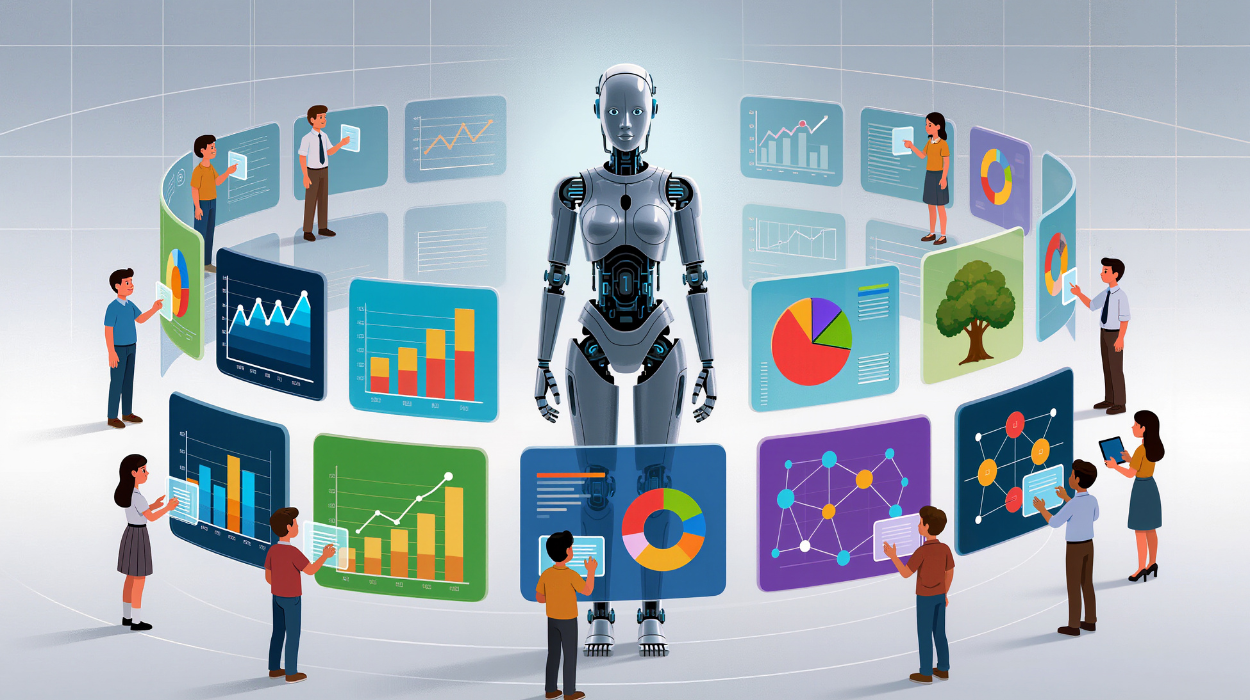
Artificial intelligence is no longer an experimental concept in global supply chain operations. It has become a practical, measurable, and transformative force reshaping how companies plan, manage, and optimise their end-to-end operations. As industry demands continue to shift, organisations now see AI in supply chain management as an essential driver for responsiveness, accuracy, efficiency, and long-term competitiveness.
From demand forecasting to warehouse automation and intelligent logistics routing, AI-driven supply chain technologies are enabling companies to execute faster, minimise risks, and achieve better cost control. The growing focus on supply chain AI applications reflects a broader business trend—companies want smarter insights, better decision-making, and fully connected systems that reduce human guesswork and improve performance.
This blog explores real-world applications, future trends, and the strategic impact of AI in modern supply chain environments. It also highlights how organisations can leverage emerging tools to strengthen operational efficiency, reduce disruptions, and embrace full supply chain digital transformation in 2025 and beyond.
The Growing Importance of AI in Today’s Supply Chains
Supply chains are becoming more complex due to globalisation, increased customer expectations, and frequent market disruptions. Traditional manual processes are no longer sufficient to keep pace with these demands. Companies now require real-time insights, data-driven forecasting, and intelligent automation across their value chains.
AI offers precisely these capabilities. With advanced algorithms, AI systems can analyse vast amounts of data from suppliers, logistics networks, production lines, and consumer markets. This deep analysis supports better planning, faster decisions, and stronger operational continuity.
Modern supply chains rely heavily on:
- Machine learning in supply chain optimization
- Predictive analytics for supply chain planning
- Automation in supply chain operations
- AI-driven logistics and warehousing
These capabilities allow organisations to anticipate disruptions before they occur, optimise routes and resources, and maintain agility even in uncertain environments.
Real-World AI Use Cases Transforming Supply Chain Operations
AI is no longer theoretical—companies across industries are deploying intelligent technologies every day. Here are the most impactful real-world AI use cases in supply chain operations.
1. Demand Forecasting with AI
Accurate forecasting is the backbone of successful supply chain planning. Traditional forecasting relied heavily on historical data, often ignoring real-time variables such as shifts in consumer behaviour, weather patterns, competitor actions, or sudden geopolitical events.
Today, organisations use demand forecasting with AI to analyse multiple datasets in real-time, identify patterns, and produce more accurate projections. AI-powered forecasting supports:
- Optimised inventory levels
- Reduced stockouts and overstocking
- Improved production planning
- Better customer satisfaction
Retailers, manufacturers, and e-commerce companies increasingly rely on predictive analytics to minimise demand-related uncertainties.
2. Machine Learning for Supply Chain Optimization
Machine learning algorithms continuously analyse supply chain behaviour and adjust decision models based on new data. This type of machine learning in supply chain optimization enables systems to become smarter over time.
Key benefits include:
- Dynamic safety stock calculations
- Optimised transportation routes
- Intelligent supplier selection
- Automated procurement insights
- Improved warehouse slotting strategies
ML models reduce manual decision-making, remove inefficiencies, and enhance overall operational speed.
3. AI-Driven Logistics and Transport Networks
Real-time logistics management is one of the most recognised applications of AI. Companies use AI-driven logistics and warehousing systems to optimise fleets, reduce fuel consumption, and avoid delivery delays.
Real-world capabilities include:
- Route optimisation based on live traffic data
- Intelligent assignment of delivery tasks
- Real-time shipment tracking and predictive delivery times
- Automated exception handling
- Smart loading and unloading processes
Transport companies increasingly depend on AI for better cost control and improved customer experience.
4. Automation in Warehousing and Fulfilment
Large fulfilment centres use automation in supply chain operations to process thousands of orders at high speed. AI-enabled robotics enhance warehouse efficiency by performing tasks such as:
- Picking and packing
- Sorting and shelving
- Inventory cycle counting
- Automated quality checks
Automated warehouse systems reduce error rates, enhance safety, and ensure that orders move efficiently through the distribution process.
5. Predictive Analytics for Supply Chain Planning
To support continuous improvement, companies use predictive analytics for supply chain planning to anticipate potential failures and disruptions before they affect operations.
Predictive models help organisations identify:
- Supplier risks
- Demand fluctuations
- Machine breakdowns
- Transportation delays
- Labour shortages
By anticipating issues early, supply chain managers can take preventive action and minimise the impact of disruptions.
6. Supplier Performance and Risk Management
AI tools monitor supplier performance using data from multiple sources—quality reports, delivery timelines, market trends, and geopolitical risks. These insights help organisations:
- Avoid supplier failures
- Select better strategic partners
- Mitigate supply chain risks
- Improve contract negotiation
AI also evaluates supplier behaviours over time, allowing companies to predict reliability more accurately.
7. Intelligent Inventory and Order Management
AI-powered inventory systems automate replenishment and synchronise stock levels across multiple warehouses and retail locations. These intelligent supply chain technologies significantly reduce manual workload and create seamless inventory flows.
Benefits include:
- Reduced carrying costs
- Automated reorder point management
- Real-time visibility of stock levels
- Improved order fulfilment rates
Organisations gain better control over multi-location inventory networks, improving efficiency and reducing waste.
8. AI in Production and Manufacturing
Manufacturers utilise AI sensors, robotics, and analytics to monitor production lines and improve output. AI technologies provide:
- Predictive maintenance insights
- Defect detection systems
- Production line optimisation
- Quality analytics
With AI, factories reduce downtime, increase productivity, and maintain consistent quality standards.
AI and Supply Chain Digital Transformation
To stay competitive, organisations must embrace full supply chain digital transformation by integrating AI throughout their processes. This transformation enables:
- Real-time operational visibility
- Cross-functional data integration
- Faster response to disruptions
- Enhanced customer experiences
- Improved financial performance
Digital transformation powered by AI turns traditional supply chains into adaptive, intelligent systems capable of handling modern challenges.
Challenges of Implementing AI in Supply Chains
Despite significant benefits, implementing AI requires thoughtful planning.
Common challenges include:
- Lack of quality data
- Resistance to change
- High initial infrastructure investment
- Need for skilled professionals
- Integration with legacy systems
However, organisations that overcome these barriers gain a long-term competitive advantage.
The Future of AI in Supply Chain Management
AI adoption will accelerate rapidly over the next decade. Future innovations will include:
- Autonomous supply chain planning
- AI-powered sustainability management
- Fully automated warehouses
- Blockchain-integrated supply chain AI
- Hyper-personalised customer experiences
These innovations will push organisations toward more resilient, agile, and intelligent operations.
Final Thoughts
AI has unlocked new opportunities for operational excellence across the global value chain. From forecasting and logistics to automation and risk management, AI is reshaping how supply chains operate at every level. As businesses continue adopting smarter technologies, the role of AI will only grow more strategic and indispensable.
Professionals who want to deepen their knowledge of AI-driven operations and future-ready supply chain practices can benefit significantly from structured learning. Institutions like Oxford Training Centre offer specialised Artificial Intelligence Training Courses that equip supply chain and operations professionals with the knowledge and tools needed to excel in a rapidly evolving environment. Understanding how AI transforms supply chains is not just an advantage—it is becoming a necessity for professionals aiming to stay ahead in 2025 and beyond.