
Key Points
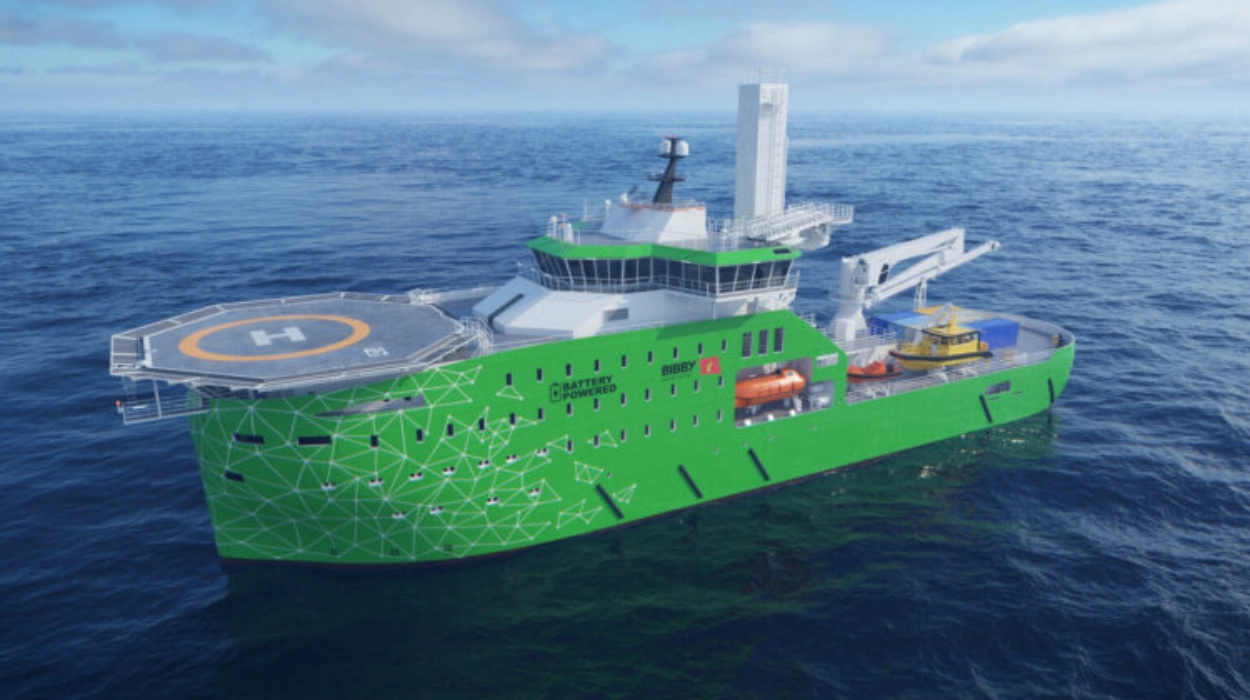
- Liverpool-based Bibby Marine says potential charterers have already expressed interest in its new electric commissioning service operation vessel (eCSOV), which is expected to enter service in 2027.
- The vessel is estimated to cost between £40 million and £50 million, although Bibby Marine has not disclosed the final construction cost.
- The project received £20 million in UK Government support in September 2023.
- Spanish shipbuilder Armon, based in Vigo, is constructing the vessel, with steel-cutting work beginning in January 2025.
- The eCSOV will combine a battery system with dual-fuel methanol engines and is designed to operate entirely on battery power for a typical full day of operations.
- Bibby Marine intends to develop a fleet of these vessels to support offshore wind farms and other offshore installations.
- Chief executive Nigel Quinn said potential charterers had shown interest because of the vessel’s anticipated efficiency, reduced exposure to carbon taxes and quieter operations.
- Bibby Marine currently operates two offshore support vessels, Wavemaster Horizon and Wavemaster 1, serving the offshore wind and oil and gas sectors.
- The two existing vessels each generate between 6 and 7 megawatts of power. Together, their annual energy consumption is associated with approximately 14,000 tonnes of carbon dioxide emissions, according to the report.
- Bibby Marine’s accounts for the year ended 31 December 2025 showed revenue falling by 7% to £34.2 million, while pre-tax profit declined by £1 million to £3.1 million.
- The company attributed the financial decline mainly to several vessel charter agreements from 2024 reaching their natural conclusion.
Liverpool maritime business Bibby Marine is reporting early interest from potential charterers for a battery-powered offshore wind support vessel expected to enter service in 2027. The project, estimated to cost between £40 million and £50 million, combines battery technology with dual-fuel methanol engines and is supported by £20 million in UK Government funding. As reported by Tony McDonough in Liverpool Business News, the vessel is being built by Spanish shipbuilder Armon, while Bibby Marine’s latest accounts show lower revenue and pre-tax profit for the 12 months to 31 December 2025.
What Is Bibby Marine Building and When Will the Vessel Enter Service?
According to Tony McDonough’s report for Liverpool Business News, published on 10 October 2026, Bibby Marine expects its new electric commissioning service operation vessel to be ready for service in 2027. The company has spent several years developing the project as part of its work to support offshore energy installations with lower-emission marine operations.
The vessel is known as an electric commissioning service operation vessel (eCSOV). These vessels support the construction, commissioning and maintenance of offshore wind farms by transporting personnel and equipment and providing accommodation and access to offshore installations.
Bibby Marine is a division of Bibby Line Group, a long-established Liverpool family business. The company already operates offshore support vessels and plans to expand its fleet with the new battery-based design.
The latest report indicates that the vessel’s construction remains on schedule, with potential charterers expressing interest before its expected delivery. However, the report does not identify the prospective customers or disclose the terms of any charter agreements. Early interest should therefore not be interpreted as confirmation that the vessel has secured a commercial contract.
How Much Will Bibby Marine’s Electric Vessel Cost?
The estimated cost of the eCSOV is between £40 million and £50 million, according to Liverpool Business News. Bibby Marine has not publicly confirmed the final construction price in the report.
The project has received £20 million in UK Government funding, awarded in September 2023 to support its development. This backing forms part of the financial context for a vessel designed to reduce emissions from offshore wind operations.
Construction is taking place at Armon’s shipyard in Vigo, Spain. The first steel was cut in January 2025, marking the start of the vessel’s physical construction.
The investment reflects the technical requirements of a specialised offshore support vessel. It needs sufficient energy storage, propulsion capacity, accommodation and operational equipment to support offshore workers for extended periods.
Although the project is designed around electric operation, its propulsion system will also include dual-fuel methanol engines. This arrangement is intended to provide operational flexibility when the vessel cannot rely entirely on battery power or when additional range is required.
The project’s estimated cost and public funding are important commercial considerations, but the available report does not provide a detailed breakdown of construction expenditure, financing arrangements or the expected financial return.
How Will the Electric Vessel Operate?
The eCSOV will combine a substantial battery system with dual-fuel methanol engines. According to Bibby Marine’s published technical information, the vessel is designed to operate solely on battery power for a full working day under suitable operating conditions. It will also be capable of travelling between offshore wind farm locations and port, depending on its operating requirements.
The battery-based system is central to the vessel’s design. Rather than relying exclusively on conventional engine-powered propulsion, the vessel is intended to use stored electrical energy as its primary power source during offshore operations.
Bibby Marine’s technical information lists a battery capacity of approximately 22.4 megawatt-hours, while other company and industry materials describe a system in the 24–25 MWh range. These figures reflect differing published specifications; the precise final installed capacity should be confirmed against the vessel’s final technical documentation.
The vessel is also designed to take advantage of charging facilities at offshore wind farms when suitable infrastructure is available. Access to offshore charging could enable extended periods of battery-only operation, reducing the need to generate power from fuel while working in the field.
The dual-fuel engines provide an additional source of power. Their inclusion means the vessel should not be described as operating without fuel in every circumstance. Its ability to operate entirely on battery power depends on the task, sea conditions, available charge and charging infrastructure.
This distinction matters commercially because vessel operators must consider not only emissions but also reliability, operating range, charging time and the ability to complete scheduled offshore work.
Why Are Potential Charterers Interested in the Vessel?
Bibby Marine chief executive Nigel Quinn identified efficiency, reduced exposure to carbon taxes and quieter operations as factors behind the early interest from potential charterers.
As reported by Tony McDonough in Liverpool Business News, Quinn said: “There is already interest from potential charterers driven by the vessel’s anticipated efficiency, lower exposure to carbon taxes and quiet operations.”
Liverpool Business News
These potential advantages are relevant to offshore wind operators, which depend on support vessels to transport personnel, maintain equipment and carry out work around wind turbines.
Fuel consumption is one of the operating costs associated with offshore support vessels. A battery-based system that reduces fuel requirements could help operators manage expenditure, although the actual savings will depend on vessel utilisation, energy prices, charging arrangements, maintenance requirements and charter terms.
Carbon-related costs are another consideration. A vessel that produces fewer emissions during operation may reduce its exposure to certain emissions-related charges where applicable. The scale of any benefit will depend on the relevant rules and how the vessel is operated.
Noise is also relevant to offshore operations, particularly where vessel design and propulsion systems can reduce underwater or operational noise. However, the extent of any improvement depends on the final equipment configuration and operating conditions.
The interest reported by Bibby Marine is an early indication of possible market demand, rather than proof of completed sales or signed charters. The company has not named the interested parties in the report.
What Do Bibby Marine’s Existing Vessels Tell Us About Its Business?
Bibby Marine currently operates two offshore support vessels: Wavemaster Horizon and Wavemaster 1. Both support offshore facilities in the wind and oil and gas industries.
According to Liverpool Business News, the vessels can carry up to 90 people for weeks at a time and require substantial amounts of energy to operate. Each generates between 6 and 7 megawatts of power.
The report estimates that the combined annual energy consumption of the two vessels is equivalent to the amount needed to power 800 homes and cover 18 million miles of car journeys. It puts their associated carbon dioxide emissions at approximately 14,000 tonnes a year.
These figures illustrate the energy demands of offshore support operations. Vessels need to maintain power for propulsion, onboard accommodation, personnel transfers and other operational systems, often while working far from shore.
The proposed eCSOV is intended to address some of these requirements through its battery-based architecture and dual-fuel engines. Its performance will ultimately depend on how effectively the technology meets the demands of real offshore operations.
Bibby Marine has also expressed an intention to build a fleet of eCSOVs. The first vessel will provide the company with an opportunity to establish its operating performance and assess commercial demand before any wider fleet expansion is confirmed.
What Did Bibby Marine Report in Its Latest Financial Results?
Bibby Marine’s accounts for the 12 months ended 31 December 2025, recently published on Companies House, showed a decline in both revenue and pre-tax profit.
According to Liverpool Business News, the company recorded revenue of £34.2 million, a 7% fall from the previous year. Pre-tax profit declined by £1 million to £3.1 million.The report attributed the decline mainly to several vessel charter agreements from 2024 reaching their natural conclusion.
The figures provide context for the company’s wider commercial position as it continues investing in its next-generation vessel. They also demonstrate why the anticipated performance of the eCSOV matters beyond its technical design: future charter income, vessel utilisation and operating costs will all influence the commercial results.
However, the reported financial figures relate to Bibby Marine and should not be confused with the results of the wider Bibby Line Group. The article separately refers readers to reporting on the group’s pre-tax profits but does not provide the group’s full financial statements within the eCSOV report.
The available information also does not establish that the new vessel has already contributed to revenue or that the early charter interest has changed the company’s reported financial position.
How Could the Vessel Affect Offshore Wind Operations?
Offshore wind farms require specialist marine support throughout their development and operating lives. Vessels transport technicians, support commissioning work and help maintain installations located at sea.
The energy requirements of these activities can be substantial, particularly when vessels remain offshore for extended periods. Conventional vessels depend heavily on fuel-powered engines and generators, creating both operating costs and emissions.
Bibby Marine’s eCSOV is designed to use battery power for much of its operating profile, with dual-fuel engines providing additional power when required. If the vessel performs as intended, it could offer operators another option for reducing fuel consumption without removing the operational capabilities required for offshore work.
The commercial outcome will depend on factors such as battery performance, vessel availability, charging infrastructure and the cost of operating the ship over its working life.
For the wider maritime industry, the project also highlights the relationship between vessel design and the development of offshore energy infrastructure. Charging equipment at wind farms could make battery-powered operations more practical, but the availability and deployment of that infrastructure remain important considerations.
Bibby Marine’s published technical information indicates that offshore charging is part of its longer-term approach to vessel electrification. Its new vessel is therefore being developed not simply as a replacement for a conventional ship, but as part of a wider transition towards lower-emission offshore support operations.
The company has not yet demonstrated the vessel’s full performance in commercial service. Its expected entry into service in 2027 will be an important milestone in assessing how the design performs under operational conditions.
What Happens Next for Bibby Marine’s Electric Vessel?
The immediate priority is to complete construction at Armon’s shipyard in Vigo and prepare the vessel for its expected 2027 entry into service.
Bibby Marine will also need to translate the reported early interest into commercial arrangements if it is to establish a reliable source of charter income for the new vessel. The identities of potential charterers, the terms of any agreements and the vessel’s eventual utilisation have not been disclosed in the report.
The company’s longer-term ambition is to build a fleet of eCSOVs. Any expansion will depend on construction progress, operational performance, commercial demand and the financial case for further investment.
Nigel Quinn’s comments on the long-term fundamentals of the offshore wind sector indicate that Bibby Marine sees continued demand for services that help the industry reduce carbon emissions. The company is positioning the vessel to respond to that demand while addressing the cost and practical requirements of offshore work.
For professionals working across Shipping, Maritime and Ports, the project illustrates the growing importance of vessel technology, marine operations and energy efficiency in specialist shipping. Its development also intersects with Oil and Gas, given Bibby Marine’s existing offshore support activities, and Power Systems and Maintenance, through the integration of battery storage, generators and propulsion equipment.
For businesses involved in offshore infrastructure, Project Management and Logistics and Supply Chain are also relevant to the coordination of shipbuilding, equipment procurement and offshore operations. These are practical areas of professional expertise associated with projects of this kind, rather than claims that Bibby Marine has purchased training services.
The central commercial test will be whether the vessel can deliver the efficiency, operating flexibility and lower-emission performance expected by prospective charterers once it enters service.