
Key Points
- Rolls-Royce has announced a £300 million investment in UK manufacturing and engineering facilities across five locations.
- More than £90 million will be invested in Bristol to upgrade the company’s military power and propulsion facilities.
- The Bristol programme will improve operational delivery, digital security and programme output for defence customers.
- The investment will introduce new collaborative workspaces, enhanced IT infrastructure and increased Maintenance, Repair and Overhaul (MRO) capability.
- Rolls-Royce said the Bristol work will support more than 3,500 employees, including highly skilled engineers.
- The Bristol facility upgrade is expected to be completed in 2031.
- The Bristol site supports major defence programmes including the Eurofighter Typhoon EJ200 engine, MT30 marine gas turbine and Global Combat Air Programme (GCAP).
- Across the UK, Rolls-Royce will also invest more than £140 million in Derby, £43 million in Glasgow, £19 million in Rotherham and £5 million in Ansty, Warwickshire.
- Rolls-Royce said it has invested more than £3 billion in the UK since the start of its transformation programme in 2023.
- In 2025, the company spent more than £2.8 billion with UK-based suppliers, with most of that spending taking place outside London and the South East.
- Rolls-Royce chief executive Tufan Erginbilgic said the investment would support the company’s position in commercial aviation and sovereign defence while supporting highly skilled jobs.
- Chancellor John Healey said the investment would strengthen UK industrial capability, skilled employment and economic growth.
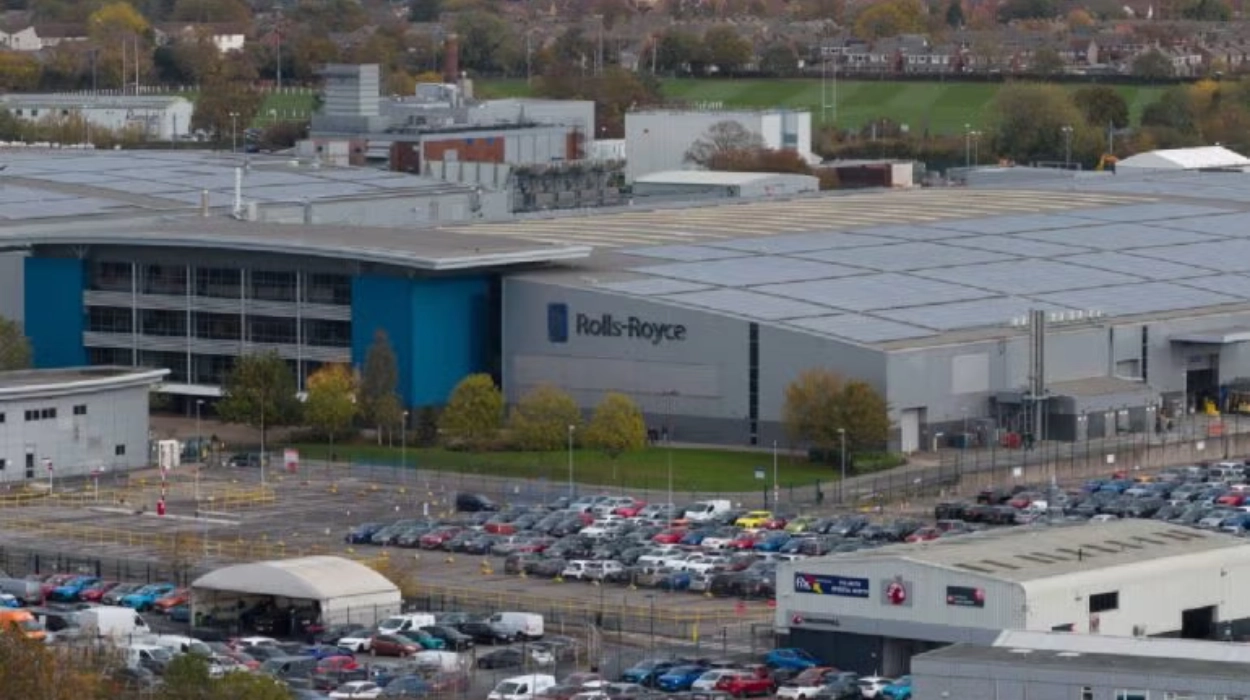
Rolls-Royce is investing more than £90 million to upgrade its Bristol military power and propulsion facilities as part of a wider £300 million programme across the UK, with the Bristol project designed to improve operational delivery, digital security, engineering capability and maintenance capacity for major defence programmes. The investment will support more than 3,500 employees at the Bristol site and is scheduled for completion in 2031.
Why is Rolls-Royce investing more than £90 million in Bristol?
As reported by Airforce Technology, Rolls-Royce is investing more than £90 million in a major upgrade programme at its Bristol facility as part of a wider £300 million commitment to UK manufacturing and engineering infrastructure.
The Bristol investment is focused on the site’s role as a centre for UK military power and propulsion. Rolls-Royce said the programme is intended to enhance operational delivery, digital security and programme output for customers.
The investment also reflects the company’s plans to ensure that its UK infrastructure can meet manufacturing demand and support future aerospace programmes.
According to Rolls-Royce, the company has invested more than £3 billion in the UK since the beginning of its transformation programme in 2023. That spending has included research and development, engineering programmes, facilities and infrastructure.
The latest £300 million commitment therefore forms part of a longer-term investment programme rather than representing an isolated Bristol project.
What will the Rolls-Royce Bristol facility upgrade include?
According to Rolls-Royce, the Bristol programme will include new collaborative workspaces, enhanced IT infrastructure and increased Maintenance, Repair and Overhaul capability.
The company said these improvements are intended to provide its engineering teams with the tools and working environment required to support critical aerospace and defence programmes.
Digital infrastructure is also an important part of the project. Rolls-Royce said the upgrade will enhance digital security alongside operational delivery and programme output.
The increased MRO capability is significant because the Bristol operation supports the through-life engineering and support requirements associated with major propulsion programmes.
The company expects the Bristol upgrade programme to be completed in 2031.
How many employees will the Bristol investment support?
Rolls-Royce said the Bristol site employs more than 3,500 people, including highly skilled engineers.
The company said the facility upgrade will support those employees while providing improved infrastructure for the work carried out at the site.
Rolls-Royce chief executive Tufan Erginbilgic said the company’s UK manufacturing facilities are home to British engineering talent and described the £300 million investment as a statement of the company’s intention to continue growing the UK’s advanced manufacturing sector.
Erginbilgic said the upgraded facilities would support Rolls-Royce’s position in both commercial aviation and sovereign defence, while supporting thousands of highly skilled jobs directly and through the supply chain.
The employment impact therefore extends beyond the Bristol workforce itself, with Rolls-Royce linking the investment to its wider network of UK suppliers and engineering partners.
Which defence programmes are supported by the Bristol site?
According to Rolls-Royce, the Bristol site provides design, engineering and through-life support for several important aerospace and naval platforms.
These include the MT30 marine gas turbine, the Eurofighter Typhoon’s EJ200 engine and the Global Combat Air Programme (GCAP).
The EJ200 engine is associated with the Eurofighter Typhoon and is produced through the EUROJET consortium, of which Rolls-Royce is a leading partner.
The MT30 is a marine gas turbine used in naval propulsion applications, while GCAP is the next-generation combat-air programme involving the UK, Italy and Japan.
Rolls-Royce said modernising the Bristol facilities will provide its engineering teams with the infrastructure and tools needed to continue supporting these programmes.
The company also said the investment would help keep the Bristol site at the forefront of defence propulsion for decades to come.
The announcement comes as Rolls-Royce marks 60 years in Bristol following its acquisition of Bristol Siddeley Engines in 1966.
How does the Bristol investment fit into Rolls-Royce’s £300 million UK programme?
The Bristol project represents one part of a wider £300 million investment covering several Rolls-Royce sites across the UK.
According to Rolls-Royce, the largest allocation outside Bristol is more than £140 million for Derby, where the company operates its Civil Aerospace activities.
The Derby investment will fund new engineering and manufacturing services facilities intended to support future growth and improve the working environment. Rolls-Royce also plans aftermarket-support investments at the site to increase capacity and improve operational efficiency. Those works are expected to be completed in 2028.
In Inchinnan, Glasgow, Rolls-Royce is investing £43 million in machinery that will enable the manufacture of new engine components.
In Rotherham, the company is investing £19 million in its Advanced Blade Casting Facility. A further £2 million is being provided by the South Yorkshire Mayoral Combined Authority.
The Rotherham programme is intended to increase capability and productivity and double production of advanced turbine blades by 2030. These blades are critical components in jet engines.
At Ansty in Warwickshire, Rolls-Royce is investing £5 million in machinery upgrades designed to improve manufacturing capability and efficiency.
Together, these projects form a multi-site programme covering civil aerospace, defence, engineering and advanced manufacturing.
What did John Healey say about the Rolls-Royce investment?
John Healey, Chancellor of the Exchequer, welcomed the £300 million investment.
Healey said the investment demonstrated confidence in Britain’s future and would support skilled jobs, sovereign industrial capability and growth in communities across the UK.
He specifically referred to locations including Derby, Bristol, Rotherham, Glasgow and Warwickshire.
Healey also said the investment came at a time of increasing global competition and argued that Britain needed to remain an attractive location for investment, innovation and manufacturing.
His comments place the Rolls-Royce announcement within the wider UK government’s focus on strengthening domestic industrial capacity.
The investment is particularly relevant to the defence sector because the Bristol site is responsible for military power and propulsion activities supporting several UK and international programmes.
How much has Rolls-Royce spent with UK suppliers?
Rolls-Royce said its investment programme will provide multi-year stability to hundreds of domestic engineering partners, component manufacturers and small and medium-sized enterprises supplying parts and services to the company.
According to the company’s announcement, Rolls-Royce spent more than £2.8 billion with UK-based suppliers in 2025.
The company said the vast majority of that spending was with businesses located outside London and the South East.
This means the investment programme has a supply-chain dimension extending beyond Rolls-Royce’s own facilities.
For Bristol and the surrounding engineering ecosystem, the company’s continued investment in military power and propulsion infrastructure could therefore affect not only direct employees but also companies involved in engineering, components, maintenance and other specialist services.
Why is digital infrastructure part of the Bristol upgrade?
Digital infrastructure is one of the stated elements of the Bristol investment.
Rolls-Royce said the facility upgrade will enhance digital security, alongside operational delivery and programme output.
For a site supporting complex defence programmes, digital infrastructure forms part of the broader engineering environment required to manage programme information, technical processes and operational activity.
The company has not presented the investment as a standalone technology project. Instead, digital improvements are being incorporated into a wider modernisation programme involving workspaces, IT systems and MRO capability.
This approach links physical infrastructure with the engineering and operational requirements of the defence programmes supported from Bristol.
The development also illustrates the increasing importance of combining engineering capability with secure and modern digital infrastructure within advanced manufacturing and defence operations.
What does the investment mean for Rolls-Royce’s UK defence operations?
The Bristol announcement strengthens the physical infrastructure supporting Rolls-Royce’s UK defence business.
The company said the modernised site will help provide the capacity and environment required for its engineering teams to deliver across key defence programmes.
The investment also comes against a backdrop of increased attention on UK sovereign industrial capability and future defence programmes.
Rolls-Royce has roles across several areas of UK defence propulsion, including combat aircraft, naval propulsion and future combat-air technology.
The Bristol facility is consequently positioned within a broader network of UK sites rather than operating independently.
The company’s wider £300 million programme also demonstrates that investment is being distributed across different parts of the UK’s manufacturing base, from civil aerospace in Derby to advanced blade casting in Rotherham and engine-component manufacturing in Glasgow.
When will the Rolls-Royce Bristol upgrade be completed?
Rolls-Royce expects the Bristol facility upgrade to be completed in 2031.
The timescale means the project is a multi-year infrastructure programme rather than an immediate expansion.
The company said the investment is intended to provide long-term support for its UK manufacturing and engineering operations and to prepare infrastructure for future aerospace programmes.
The planned completion date also places the Bristol modernisation within the longer development cycle of defence and aerospace programmes, where engineering infrastructure, manufacturing capability and maintenance capacity often need to be established well ahead of operational requirements.
For organisations working across Management and Leadership, Project Management, IT and Computer Science, Safety and Security, and Power Systems and Maintenance, the Rolls-Royce programme provides a relevant example of how large-scale engineering projects combine workforce capability, infrastructure modernisation, digital security, maintenance operations and long-term programme planning.
What is the wider significance of Rolls-Royce’s UK manufacturing investment?
The £300 million announcement brings together investments in aerospace manufacturing, defence propulsion, engineering infrastructure and supply-chain capability across multiple UK locations.
For Bristol specifically, the more than £90 million commitment is centred on the modernisation of a major military power and propulsion site employing more than 3,500 people.
Rolls-Royce said the programme will enhance operational delivery, digital security and programme output while increasing MRO capability.
The company has also linked the investment to future growth across its Civil Aerospace and Defence businesses and to the wider UK advanced manufacturing ecosystem.
As reported by Airforce Technology, the Bristol facility upgrade forms part of this broader UK investment programme. Rolls-Royce has separately confirmed the financial allocation, programme scope, workforce figure, completion timetable and defence programmes associated with the site.
The announcement therefore represents a substantial multi-year commitment to UK engineering infrastructure, with Bristol receiving one of the programme’s largest allocations and remaining a central location for Rolls-Royce’s military power and propulsion activities.