
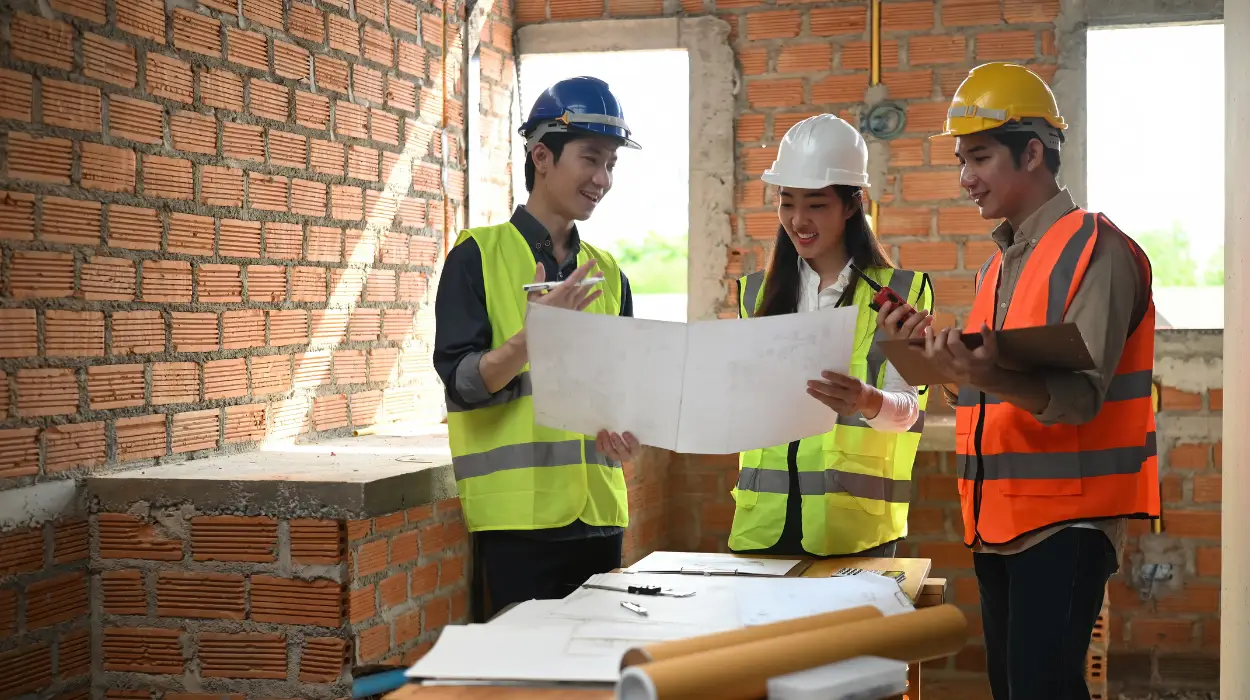
Renovating an office environment while daily operations continue is one of the most complex challenges in facilities and property management. Unlike vacant-site construction, occupied building renovation requires careful coordination, advanced planning, and constant communication to avoid disrupting employees, clients, and business workflows. Organizations must balance infrastructure improvements with productivity, safety, and employee comfort.
This guide explores managing renovation projects within active office buildings, outlining proven strategies, best practices, and practical approaches for achieving successful outcomes with minimal operational impact.
Understanding the Challenges of Active Office Renovations
Active workplaces are highly sensitive environments. Noise, dust, restricted access, and temporary relocations can quickly affect employee morale and business efficiency. Effective office renovation management begins with recognizing these challenges and addressing them proactively.
One of the main difficulties lies in maintaining operational continuity. Employees need quiet spaces, stable IT systems, and uninterrupted access to facilities. At the same time, construction teams require access, materials, and time to complete tasks efficiently. Balancing these competing needs demands structured workplace renovation planning supported by detailed schedules and risk assessments.
Additionally, compliance with safety standards becomes more complex in occupied buildings. Workers and staff share the same environment, making safety compliance renovation a top priority. Failure to manage these risks can result in accidents, legal liabilities, and project delays.
Strategic Workplace Renovation Planning
Successful commercial renovation projects begin long before construction starts. Planning sets the foundation for minimizing disruption and ensuring project efficiency.
Effective workplace renovation planning involves conducting comprehensive site assessments, understanding operational workflows, and identifying critical business functions that must remain uninterrupted. Managers should map high-traffic zones, sensitive departments, and peak work hours to align construction activities accordingly.
Project managers must also develop realistic timelines that consider both technical requirements and organizational needs. Rather than compressing schedules, it is often more effective to extend timelines strategically to allow phased work and reduce operational pressure.
Clear objectives are equally important. Whether the renovation aims to improve energy efficiency, modernize interiors, or enhance collaboration spaces, clearly defined goals help guide design and execution decisions.
Phased Construction Planning for Minimal Disruption
One of the most effective approaches to managing renovation projects within active office buildings is phased construction planning. This method divides the project into manageable stages, allowing work to progress in sections while other areas remain operational.
Phased planning enables organizations to relocate teams temporarily, limit noise exposure, and maintain access to essential services. For example, renovations can be scheduled floor by floor, department by department, or zone by zone, depending on building layout and organizational structure.
This approach also supports better risk management. If unforeseen issues arise in one phase, they can be resolved without halting the entire project. As a result, phased execution reduces downtime and contributes to minimizing downtime during office renovations.
Contractor Coordination and Communication
Effective contractor coordination is critical in occupied buildings. Multiple stakeholders, including facilities managers, contractors, IT teams, and department heads, must work collaboratively to ensure seamless execution.
Clear communication protocols should be established at the outset. Regular coordination meetings help align schedules, address emerging issues, and review safety measures. Contractors must understand operational constraints, working hours, and access limitations.
It is also essential to appoint a central project coordinator who serves as the main point of contact. This individual manages information flow, approves changes, and resolves conflicts. Strong leadership in contractor coordination minimizes misunderstandings and prevents costly delays.
Managing Workplace Disruption
Workplace disruption management is a core component of successful office renovations. Even well-planned projects can affect productivity if disruptions are not carefully controlled.
Noise management is a primary concern. Construction activities such as drilling, demolition, and material handling should be scheduled during off-peak hours, early mornings, evenings, or weekends whenever possible. Where this is not feasible, noise barriers and acoustic panels can help reduce impact.
Dust and air quality management are equally important. Temporary partitions, negative air pressure systems, and regular cleaning routines protect employee health and maintain comfort. These measures are particularly critical in healthcare, financial, and technology offices where environmental control is essential.
Access management also plays a vital role. Temporary walkways, signage, and clear zoning prevent confusion and ensure safe movement within the building.
Temporary Workspace Planning and Relocation Strategies
During major renovations, certain departments may need to be relocated temporarily. Effective temporary workspace planning ensures that productivity remains stable during these transitions.
Temporary spaces should be equipped with essential infrastructure, including internet connectivity, ergonomic furniture, meeting rooms, and storage facilities. Poorly planned relocations can reduce efficiency and negatively affect morale.
Organizations may use vacant floors, nearby leased offices, or modular workspace solutions. In some cases, hybrid work arrangements can reduce onsite demand, allowing renovations to proceed more efficiently.
Communication is vital during relocation. Employees must receive clear instructions regarding schedules, locations, and support services to maintain confidence and cooperation throughout the process.
Ensuring Safety Compliance During Renovations
Safety is a non-negotiable priority in occupied building renovation. Employees and visitors are exposed to potential hazards, including falling debris, electrical work, and restricted areas. Comprehensive safety compliance renovation frameworks are therefore essential.
Project managers should conduct regular safety audits, risk assessments, and inspections. Construction zones must be clearly marked and isolated using barriers and warning signage. Fire exits, emergency routes, and accessibility paths should remain operational at all times.
Personal protective equipment (PPE) policies for construction staff must be enforced consistently. In addition, employees should receive safety briefings to help them navigate temporary changes within the building.
Maintaining high safety standards not only protects occupants but also reinforces organizational credibility and regulatory compliance.
Technology and Digital Tools in Renovation Management
Modern office refurbishment management increasingly relies on digital tools to improve coordination and transparency. Project management software allows stakeholders to track schedules, budgets, and progress in real time.
Building Information Modeling (BIM) supports accurate planning by visualizing design changes and identifying potential conflicts before construction begins. Facility management systems can integrate renovation data with maintenance records, ensuring long-term asset optimization.
Digital communication platforms also enhance engagement. Regular updates, progress dashboards, and feedback channels help employees stay informed and involved, reducing resistance to change.
Budget Control and Financial Planning
Renovations in active offices often involve higher costs due to phased execution, temporary relocations, and extended timelines. Strong financial management is therefore essential.
Budget planning should account for contingency reserves to cover unexpected structural issues, supply chain disruptions, or regulatory changes. Transparent cost tracking ensures that spending remains aligned with strategic objectives.
Procurement strategies also influence financial performance. Selecting reliable contractors, negotiating long-term supplier agreements, and using standardized materials can reduce expenses without compromising quality.
Supporting Employee Well-Being During Renovations
Employee well-being is a critical yet often overlooked aspect of workplace renovation planning. Disruptions, uncertainty, and environmental changes can cause stress and reduce engagement.
Organizations should adopt proactive communication strategies, sharing timelines, milestones, and expected impacts. Providing feedback channels allows employees to voice concerns and contribute improvement ideas.
Comfort measures such as noise-canceling equipment, wellness spaces, and flexible schedules can significantly enhance resilience during renovation periods. When employees feel supported, they are more likely to cooperate and maintain productivity.
Best Practices for Workplace Renovation Management
Organizations seeking to implement best practices for workplace renovation management should focus on the following principles:
Integrated planning that aligns operational needs with construction requirements ensures long-term success. Early stakeholder engagement builds trust and reduces resistance. Phased execution minimizes disruption and enhances control. Strong contractor coordination improves efficiency and accountability. Continuous monitoring enables timely adjustments and risk mitigation.
By embedding these principles into renovation strategies, organizations can achieve high-quality results while preserving business continuity.
Conclusion: Building Resilient Workplaces Through Smart Renovation
Successfully managing renovation projects within active office buildings requires more than technical expertise. It demands strategic thinking, strong leadership, effective communication, and a deep understanding of organizational dynamics. Through structured office renovation management, careful workplace disruption management, and comprehensive temporary workspace planning, organizations can modernize their facilities without compromising performance.
For professionals seeking to strengthen their expertise in this field, Oxford Training Centre offers specialized Facilities Management Training Courses that address practical approaches to renovation planning for occupied commercial buildings, contractor coordination, and minimizing downtime during office renovations. These programs equip managers with the knowledge and skills needed to deliver complex renovation projects efficiently and responsibly.
By applying proven methodologies and continuous improvement practices, organizations can transform renovation challenges into opportunities for workplace innovation and long-term operational excellence.