
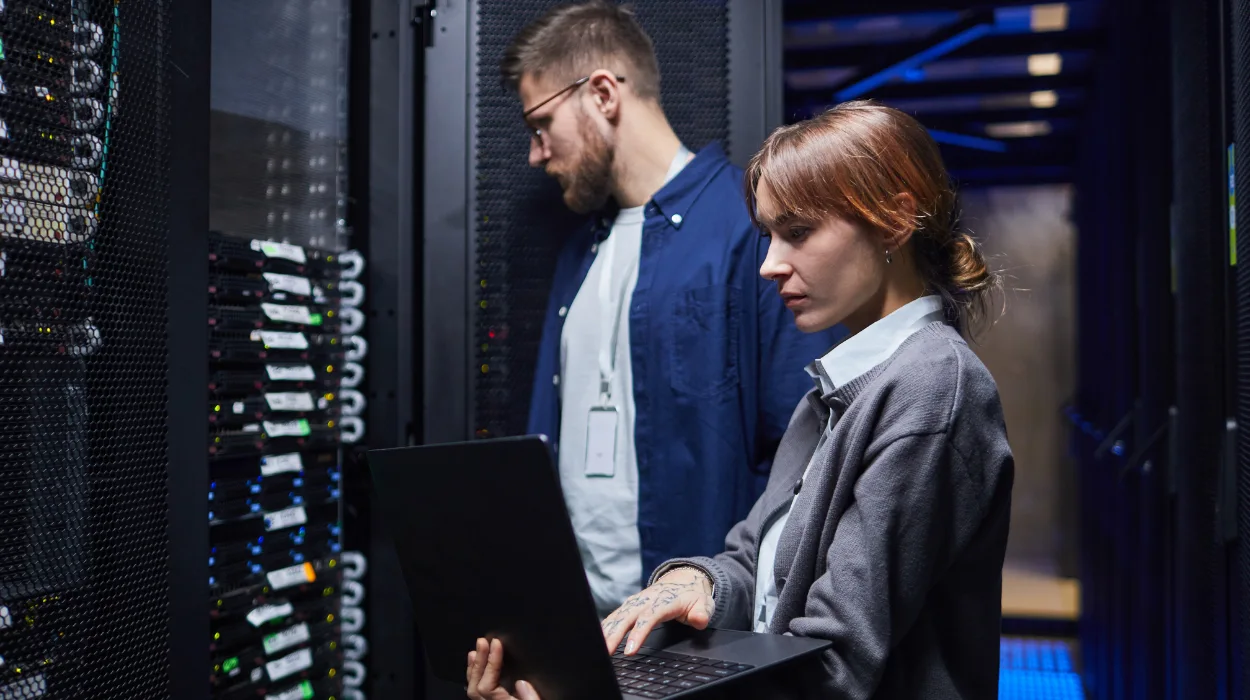
Data centers are the backbone of modern digital infrastructure, housing critical IT systems that power business operations, cloud services, and online applications. Effective data center facilities management is essential to ensure uninterrupted service, optimize energy usage, and mitigate operational risks. With the increasing complexity of IT infrastructure, managers must focus on three core areas: data center power management, cooling systems for data centers, and data center risk management.
This comprehensive guide explores best practices in managing power, maintaining optimal cooling, and controlling risks, while highlighting strategies to enhance efficiency, reliability, and resilience in data center operations.
Understanding Data Center Facilities Management
Data center facilities management encompasses the planning, operation, and maintenance of the physical and environmental systems that support IT infrastructure. Unlike standard office facilities, data centers have unique requirements due to the density of servers, storage systems, and networking equipment. Proper management ensures that servers operate at peak efficiency, downtime is minimized, and operational costs are controlled.
Core responsibilities in data center facilities management include:
- Monitoring and maintaining IT infrastructure facilities.
- Ensuring reliable power supply through backup power systems.
- Optimizing environmental conditions with HVAC for data centers and thermal management.
- Implementing risk management strategies for data centers to safeguard against outages, hardware failure, and security breaches.
Efficient facilities management directly impacts the performance, reliability, and sustainability of data centers.
Power Management in Data Centers
Reliable power supply is the foundation of any data center. Without it, servers and critical IT systems cannot function, leading to service interruptions and potential financial loss.
1. Primary and Backup Power Systems
Data centers rely on a combination of utility power and backup solutions to maintain uninterrupted operations. Backup power systems such as Uninterruptible Power Supplies (UPS) and diesel or battery generators ensure continuity during outages.
- UPS Systems: Provide immediate power during short-term disruptions and prevent data loss.
- Generators: Handle long-duration outages, enabling data centers to remain operational until main power is restored.
2. Power Distribution and Monitoring
Power distribution units (PDUs) distribute electricity safely to servers and networking equipment. Server room monitoring ensures that voltage, current, and load levels remain within safe limits, reducing the risk of overloading circuits and equipment failure.
3. Energy Efficiency
Modern data centers adopt energy-efficient solutions to reduce operational costs and environmental impact. Managing energy efficiency in data centers involves deploying high-efficiency transformers, implementing smart power management software, and consolidating workloads to reduce overall power demand.
Cooling Systems in Data Centers
Maintaining optimal temperatures is critical for the performance and longevity of servers. Overheating can cause hardware failures, slow system performance, and lead to costly downtime.
1. HVAC for Data Centers
HVAC for data centers is specifically designed to manage temperature, humidity, and airflow within server rooms. These systems ensure uniform cooling and prevent hot spots that can damage equipment. Advanced HVAC solutions include precision air conditioning and chilled water systems tailored for high-density IT environments.
2. Thermal Management
Effective thermal management IT involves strategic placement of server racks, hot aisle/cold aisle configurations, and temperature sensors to optimize airflow. Real-time monitoring allows facilities managers to adjust cooling dynamically, balancing efficiency with performance.
3. Energy-Efficient Cooling Solutions
Innovations such as liquid cooling, free-air cooling, and economizer systems help reduce energy consumption while maintaining optimal conditions. Data center cooling and power optimization ensures that cooling resources are used only where needed, minimizing waste.
Risk Management in Data Centers
Data centers face numerous operational risks, from equipment failure to environmental hazards. Comprehensive data center risk management involves identifying potential threats, implementing preventive measures, and planning for rapid recovery.
1. Disaster Recovery Planning
A robust disaster recovery planning framework prepares data centers for unforeseen events such as natural disasters, power outages, and cyberattacks. This includes redundant systems, data backups, and defined procedures to restore operations quickly.
2. Security and Monitoring
Physical and digital security measures are crucial. Server room monitoring ensures that unauthorized access is prevented, environmental thresholds are maintained, and alerts are generated for abnormal conditions. Integration of CCTV, access control systems, and environmental sensors strengthens overall resilience.
3. Maintenance and Compliance
Regular inspections, preventive maintenance, and adherence to industry standards minimize risks. Ensuring compliance with regulations such as ISO 27001, ANSI/TIA-942, and local safety codes reduces liability and protects critical infrastructure.
Integrating Power, Cooling, and Risk Strategies
The most effective data center facilities management integrates power, cooling, and risk control into a unified operational strategy.
1. Centralized Monitoring
Centralized platforms allow real-time tracking of energy consumption, temperature, and system performance. This server room monitoring approach enables proactive adjustments and reduces response times to potential failures.
2. Predictive Maintenance
Using data from sensors and monitoring tools, predictive maintenance identifies trends and potential issues before they lead to downtime. Combining power management, cooling optimization, and risk detection ensures a holistic preventive strategy.
3. Sustainable Operations
By aligning energy-efficient cooling systems with smart power management and environmental risk controls, data centers can reduce carbon footprint while maintaining reliability. Managing energy efficiency in data centers is not only cost-effective but also supports corporate sustainability goals.
Best Practices for Data Center Facilities Management
Implementing best practices for data center facilities operations ensures optimal performance, reliability, and security.
- Regular Audits: Conduct periodic assessments of power systems, cooling infrastructure, and risk protocols.
- Redundancy Planning: Ensure backup power, cooling, and network pathways to avoid single points of failure.
- Environmental Monitoring: Use sensors for temperature, humidity, airflow, and energy consumption to maintain stable conditions.
- Staff Training: Equip facilities teams with knowledge of IT infrastructure facilities, emergency response protocols, and maintenance procedures.
- Continuous Improvement: Analyze operational data to identify inefficiencies and optimize systems over time.
Future Trends in Data Center Facilities Management
Emerging technologies are reshaping data center facilities management:
- AI-Powered Monitoring: Artificial intelligence can analyze sensor data to predict failures and optimize cooling and power usage automatically.
- IoT Integration: Server room monitoring devices connected via IoT enable real-time insights across distributed data centers.
- Advanced Energy Solutions: Adoption of renewable energy sources and intelligent power routing supports sustainability goals.
- Edge Data Centers: Smaller, decentralized facilities require tailored power, cooling, and risk management strategies to maintain efficiency and uptime.
By embracing these trends, facilities managers can enhance operational efficiency, reduce costs, and mitigate risks more effectively.
Conclusion
Managing a data center requires more than maintaining servers—it demands a comprehensive approach to power, cooling, and risk control. From data center power management and cooling systems for data centers to proactive data center risk management, effective facilities management safeguards operations, reduces costs, and ensures reliability.
Organizations seeking to excel in these areas can benefit from professional training at Oxford Training Centre, including Facilities Management Training Courses. These programs equip facilities managers with the expertise to implement advanced HVAC for data centers, optimize backup power systems, and integrate disaster recovery planning and server room monitoring into a cohesive, future-ready data center strategy.
Investing in skilled facilities management ensures that data centers operate efficiently, securely, and sustainably, supporting business continuity in an increasingly digital world.