
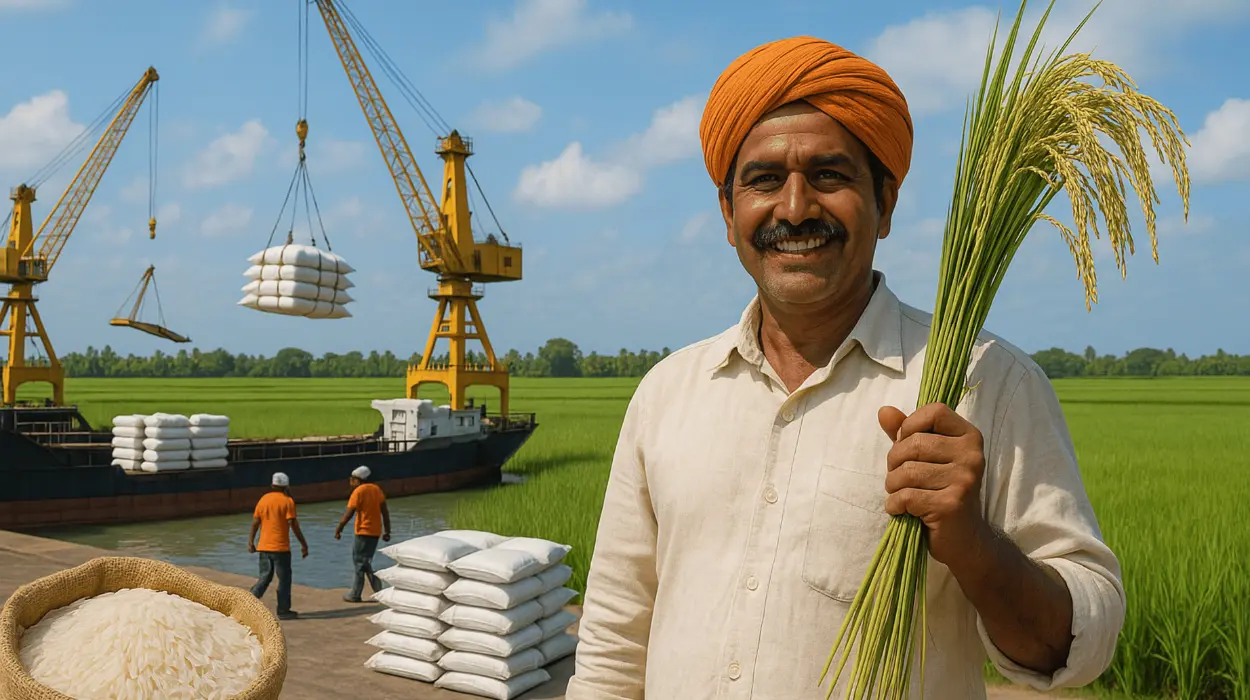
Agriculture plays a pivotal role in sustaining populations worldwide, yet the dynamics of global food availability go beyond domestic production. Increasingly, agricultural exports have become central to global food security, influencing how nations access, distribute, and stabilize food supplies. With rising populations, climate variability, and evolving trade policies, the role of agricultural exports has shifted from a commercial activity to a strategic necessity for ensuring food availability and stability globally.
Farmers, agribusiness managers, and policymakers alike must understand the nuances of export strategies in agriculture, the impact of international farm trade, and the mechanisms that ensure food reaches those who need it most. This article explores the critical role of agricultural exports in shaping global food security, the challenges faced, and strategies to maximize benefits for producers and consumers worldwide.
Understanding Agricultural Exports and Their Importance
Agricultural exports encompass the sale and shipment of farm-produced goods to foreign markets. These can include grains, fruits, vegetables, livestock products, and processed food items. Beyond economic value, exports serve as a vital mechanism for distributing food across regions with deficits, thereby contributing directly to global food security.
Countries with surplus agricultural production rely on exports to balance domestic markets, stabilize prices, and generate foreign revenue, which can be reinvested in sustainable agriculture exports and infrastructure. Export activities also influence global trade patterns, shaping international food supply chains and ensuring consistent availability of essential commodities.
How Agricultural Exports Support Global Food Security
Global food security is defined not just by the production of food but by the accessibility, affordability, and nutritional adequacy of food supplies worldwide. Agricultural exports contribute in multiple ways:
- Balancing Supply and Demand: Nations with limited arable land or water resources often depend on imports to meet food requirements. Exporting countries help fill these gaps, ensuring populations have sufficient food.
- Stabilizing Prices: Global agricultural trade allows surpluses to reach deficit regions, mitigating price volatility caused by local shortages or crop failures.
- Diversifying Food Sources: Through international trade, countries access a wider range of foods, improving dietary variety and nutritional outcomes.
- Encouraging Sustainable Production: Export markets often demand quality standards and certifications, encouraging farmers to adopt sustainable practices to meet global requirements.
Thus, how agricultural exports support worldwide food supply extends beyond revenue generation; they are instrumental in creating resilient, stable, and equitable food systems.
Export Strategies in Agriculture
Developing effective export strategies in agriculture is critical for maximizing the benefits of international trade while supporting global food security. Key strategies include:
- Market Diversification: Avoiding dependency on a single export market reduces vulnerability to economic or political fluctuations.
- Quality Compliance and Certification: Meeting international quality standards, including organic or sustainability certifications, ensures products remain competitive and accessible.
- Logistics Optimization: Efficient transportation and storage systems reduce post-harvest losses and ensure timely delivery to international markets.
- Trade Partnerships: Establishing long-term agreements with importing countries stabilizes demand and encourages investment in production capacity.
By implementing such strategies, producers can align agricultural exports with global food needs while maintaining profitability and resilience.
The Impact of International Farm Trade
International farm trade encompasses not only the movement of commodities but also the transfer of knowledge, technology, and innovation. Export-oriented agriculture stimulates investment in infrastructure, irrigation systems, and mechanization, which enhances productivity. This, in turn, benefits food supply chain management by increasing efficiency from farm to market.
Exports also encourage transparency, standardization, and adoption of best practices, supporting sustainable agriculture exports that minimize environmental impact while meeting global demand. By integrating into international markets, farmers and agribusinesses contribute directly to global food security by ensuring surplus production is effectively utilized.
Challenges in Agricultural Exports
While agricultural exports are critical, several challenges affect their ability to contribute to global food security:
- Trade Barriers: Tariffs, quotas, and regulatory restrictions can limit market access and reduce export volumes.
- Infrastructure Limitations: Poor transportation, storage, and cold chain facilities increase post-harvest losses and reduce competitiveness.
- Price Volatility: Global market fluctuations can make exports less predictable, impacting revenue and investment in sustainable production.
- Climate Change: Extreme weather events can disrupt production, affecting export reliability and stability in food supply.
- Political and Economic Instability: Conflicts or economic crises in exporting countries can disrupt the flow of essential agricultural products.
Addressing these challenges requires coordinated strategies at both national and international levels, integrating production, trade policy, and infrastructure planning.
Emerging Trends in Agricultural Exports
Recent trends have reshaped the global agricultural export landscape, enhancing their role in global food security:
- Digital Trade Platforms: Online marketplaces allow farmers to connect directly with international buyers, improving market access.
- Sustainable Export Practices: Growing demand for sustainably produced food encourages adherence to environmental standards and traceability in exports.
- Technological Integration: Precision agriculture and data-driven farm management optimize production and reduce losses, supporting reliable export supply.
- Regional Trade Agreements: Multi-country trade deals simplify logistics, reduce tariffs, and encourage cross-border agricultural cooperation.
These trends reinforce the concept that strategies to boost farm exports for global markets are increasingly linked to sustainability, technology adoption, and efficient supply chains.
Tools and Methods for Effective Export Management
Successful agricultural exports require a robust framework of tools and practices:
- Export Forecasting Tools: Predict global demand and price trends, guiding production decisions.
- Supply Chain Monitoring Systems: Track shipments, reduce losses, and ensure quality compliance.
- Risk Assessment Methods: Identify political, economic, and climatic risks that may affect export continuity.
- Compliance and Certification Programs: Ensure products meet international standards and regulatory requirements.
By integrating these tools, farmers and agribusinesses enhance the reliability of exports, thereby strengthening food supply chain management and contributing to global food security.
The Strategic Importance of Agricultural Exports
Beyond immediate economic gains, agricultural exports have long-term strategic significance:
- They reinforce national food security by diversifying income sources for farmers.
- They support rural development by creating jobs and improving infrastructure.
- They enable countries to influence global food policy and contribute to humanitarian food aid programs.
- They provide incentives for adopting sustainable production methods, balancing profitability with environmental responsibility.
Understanding these dynamics highlights the connection between international export solutions for sustainable agriculture and the broader mission of ensuring global food security.
Final Thoughts
Farmers, agribusiness managers, and trade professionals seeking to optimize agricultural exports and contribute to global food security can benefit greatly from structured learning. Programs offered by Oxford Training Centre, particularly their Environment & Agriculture Training Courses, provide:
- Practical guidance on export strategies in agriculture for international markets
- Insights into managing food supply chain management and compliance requirements
- Techniques for sustainable agriculture exports and long-term global impact
Through these courses, participants gain the knowledge and skills needed to navigate complex trade environments, enhance farm profitability, and ensure their operations contribute effectively to worldwide food availability.