
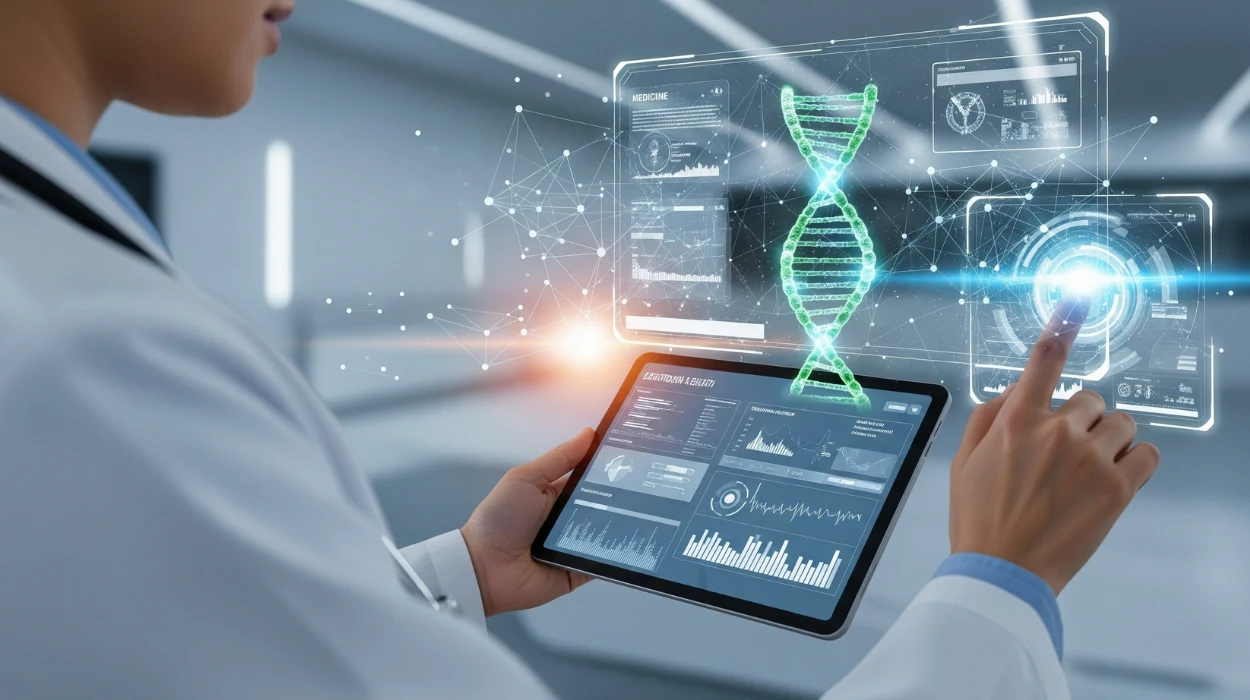
Healthcare management is experiencing a profound transformation as technology reshapes operational, clinical, and administrative functions. In 2025, the integration of advanced tools and systems has moved beyond optional enhancements to essential components of effective hospital administration. Digital transformation in healthcare management is not just about adopting new software; it represents a strategic approach to improving patient outcomes, optimising workflow efficiency, and reducing operational costs.
Healthcare managers are increasingly responsible for implementing, monitoring, and leveraging technology to support strategic objectives. From electronic health records (EHRs) to AI-driven analytics, technology is enhancing decision-making capabilities and enabling leaders to respond to complex challenges in real time. Understanding these trends is critical for professionals aiming to lead modern healthcare organisations successfully.
The Role of Technology in Hospital Administration
Technology has become central to hospital administration, transforming the way managers handle daily operations. Modern hospitals rely on integrated management systems that streamline scheduling, resource allocation, patient flow management, and staff coordination. These tools reduce administrative burdens, allowing managers to focus on strategic planning and patient care.
Moreover, technology facilitates interdepartmental communication, ensuring that critical information is shared quickly and accurately. From tracking patient records to monitoring equipment maintenance schedules, digital solutions are enabling healthcare managers to maintain operational efficiency and reduce errors.
Healthcare Management Software: A Game Changer
One of the most significant advancements in recent years has been the widespread adoption of healthcare management software. These platforms centralise administrative functions, automate routine tasks, and provide real-time insights into hospital performance. By using comprehensive software solutions, healthcare managers can monitor key performance indicators, track patient outcomes, and optimise staffing levels.
Healthcare management software also supports compliance with regulatory standards, streamlines reporting, and reduces paperwork. Its ability to integrate with clinical systems ensures that managers have a holistic view of both operational and patient care metrics, ultimately leading to better decision-making and resource utilisation.
Health IT Solutions for Management
Health IT solutions for management have expanded beyond traditional record-keeping to include predictive analytics, population health management, and patient engagement tools. By analysing large volumes of data, managers can identify trends, anticipate challenges, and implement preventive measures to improve patient care.
For example, predictive analytics can forecast patient admissions, enabling hospitals to adjust staffing levels and allocate resources efficiently. Population health management tools assist in identifying high-risk patients, allowing managers to prioritise interventions and reduce hospital readmissions. Health IT solutions empower leaders to make informed decisions that balance cost efficiency with quality care.
Automation in Healthcare Management
Automation is another transformative trend in healthcare operations. Healthcare automation and management tools streamline repetitive administrative tasks such as billing, appointment scheduling, and inventory tracking. Automated systems reduce human error, increase productivity, and allow healthcare managers to focus on strategic priorities.
In addition to administrative automation, technology is enhancing clinical workflows. Automated alerts, reminders, and decision-support tools assist clinicians in providing timely care while maintaining compliance with treatment protocols. For healthcare leaders, adopting automation strategies translates into operational efficiency, cost savings, and improved patient satisfaction.
Technology-Driven Leadership in Healthcare
The integration of technology requires healthcare leaders to adopt a technology-driven healthcare leadership approach. Managers must be proficient in evaluating new tools, implementing digital strategies, and fostering a culture of innovation within their organisations. This shift in leadership involves guiding teams through change, ensuring staff are trained in new systems, and leveraging technology to achieve organisational goals.
Technology-driven leadership also emphasizes data-informed decision-making. Leaders are expected to utilise insights generated from management software, analytics platforms, and digital reporting systems to drive operational improvements and enhance patient care outcomes.
Smart Hospital Management Tools
Smart hospital management tools have redefined how healthcare facilities operate. These tools include integrated dashboards, IoT-enabled devices, and AI-powered monitoring systems that provide real-time insights into hospital performance. For instance, smart monitoring of medical equipment ensures timely maintenance, preventing unexpected failures and costly downtime.
Smart tools also optimise patient flow, enhance resource allocation, and support clinical decision-making. Healthcare managers leveraging these technologies can anticipate bottlenecks, identify inefficiencies, and implement strategies to improve overall operational performance.
Healthcare Digital Innovation
Healthcare digital innovation continues to drive improvements across the sector. Mobile health apps, telemedicine platforms, and wearable devices enable remote patient monitoring and personalised care delivery. These innovations allow healthcare organisations to extend their reach, improve patient engagement, and provide continuous care beyond hospital walls.
Digital innovation also supports research and development in healthcare management. Advanced analytics and AI algorithms help managers identify trends, evaluate outcomes, and implement evidence-based strategies that enhance both patient experience and organisational efficiency.
Medical Technology in Management
Medical technology is no longer limited to clinical applications; it plays a crucial role in administrative and management processes. Medical technology in management encompasses tools that assist in operational planning, budgeting, and workflow optimisation. For example, integrated hospital systems can track bed occupancy, monitor staff performance, and manage supply chains efficiently.
Healthcare managers who embrace medical technology gain a competitive advantage by improving operational resilience, reducing costs, and enhancing patient care quality. These technologies also facilitate compliance with regulations, risk management, and quality assurance initiatives.
Benefits of Technology Integration in Healthcare Management
Integrating technology into healthcare management provides numerous benefits. It enhances operational efficiency, improves patient safety, enables data-driven decision-making, and supports strategic planning. Technology also promotes transparency, accountability, and better communication among healthcare teams.
Healthcare organisations adopting digital solutions experience reduced administrative burden, improved workflow coordination, and higher employee satisfaction. Patients benefit from faster service delivery, improved accuracy in treatment, and personalised care experiences.
Challenges of Technology Implementation
Despite its benefits, implementing technology in healthcare management comes with challenges. Organisations must address issues such as staff training, data privacy, cybersecurity risks, and integration of legacy systems. Resistance to change and limited technical expertise can also hinder successful adoption.
Healthcare managers need to develop strategies to overcome these challenges by fostering a culture of continuous learning, investing in staff training, and establishing robust cybersecurity protocols. Proactive planning and leadership are critical to ensuring technology implementation achieves its intended outcomes.
Future Trends in Technology-Driven Healthcare Management
Looking ahead, technology will continue to transform healthcare management. Emerging trends include AI-driven predictive analytics, blockchain for secure health data management, and advanced telemedicine platforms. Managers will also increasingly rely on virtual reality and simulation tools for staff training and operational planning.
The future of healthcare management will be characterised by smarter, data-driven decision-making, enhanced patient engagement, and seamless integration of technology into every aspect of hospital operations. Leaders who stay ahead of these trends will be better equipped to deliver high-quality care efficiently and sustainably.
Final Thoughts
Technology is undeniably reshaping the landscape of healthcare management. From digital transformation in healthcare management to smart hospital management tools and healthcare automation, the integration of innovative solutions enhances operational efficiency, patient care, and strategic decision-making.
Healthcare professionals looking to stay competitive should invest in continuous learning and upskilling. Institutions like Oxford Training Centre offer comprehensive Healthcare Management Training Courses, equipping managers with the knowledge and skills needed to leverage technology effectively. By embracing technological innovations and digital strategies, healthcare leaders can drive organisational success, improve patient outcomes, and thrive in the evolving healthcare ecosystem.