
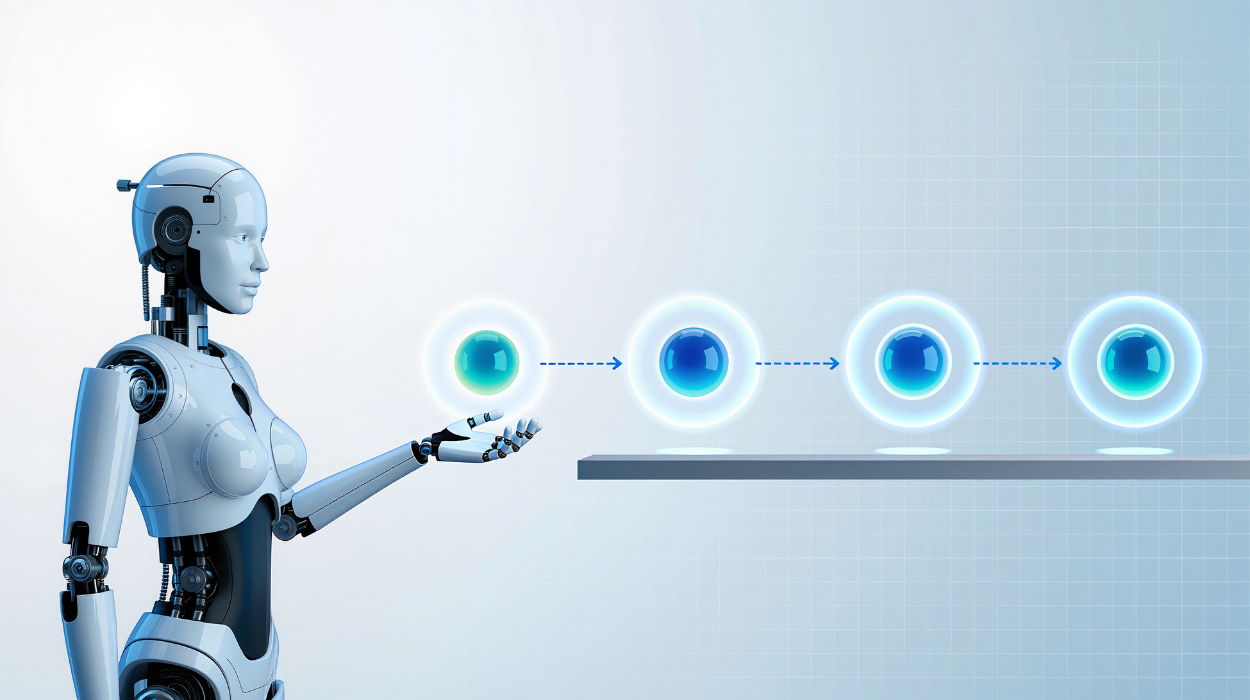
The field of artificial intelligence is evolving rapidly, and one of the most transformative areas is affective computing. Affective computing involves designing AI systems that can recognize, interpret, and respond to human emotions. By integrating emotion-aware capabilities, AI can become more human-centered, improving interactions, enhancing user experiences, and enabling applications in social robotics, healthcare, education, and customer service. This guide explores how affective computing is shaping emotion-aware AI, its core principles, applications, and the skills needed to excel in this emerging domain.
Understanding Affective Computing
Affective computing refers to the intersection of artificial intelligence, cognitive science, and psychology to create systems that can detect and respond to human emotions. Emotion-aware AI course programs aim to teach professionals how to design systems capable of interpreting emotional cues such as facial expressions, vocal tones, gestures, and physiological signals.
AI for emotional intelligence focuses on enabling machines to understand and adapt to human emotional states. These capabilities are critical for building applications that foster more natural and meaningful human-computer interactions.
Building Emotion-Sensitive AI Systems
Building emotion-sensitive AI systems requires a combination of data collection, signal processing, and machine learning techniques. Developers train models on annotated datasets containing examples of human emotional expressions. Core steps include:
- Emotion recognition technology: Using sensors, cameras, and microphones to capture emotional signals
- Feature extraction: Identifying relevant cues from speech, facial expressions, and physiological signals
- Model training: Applying emotion-driven machine learning algorithms to detect patterns and predict emotional states
This structured approach ensures that AI systems can respond accurately to user emotions, creating more empathetic and human-centered interactions.
Human-Centered AI and Affective Computing
Human-centered AI and affective computing prioritize user experience and emotional engagement. Rather than merely performing tasks, AI systems become attuned to users’ emotional needs, enhancing communication and collaboration. Applications include:
- Adaptive educational software that responds to students’ frustration or engagement levels
- Customer service AI that detects dissatisfaction and offers tailored responses
- Virtual assistants capable of recognizing stress or excitement to improve user support
By focusing on human emotions, affective computing fosters AI systems that are more intuitive, responsive, and socially aware.
Emotion Recognition Technology
Emotion recognition technology lies at the heart of affective computing. Advanced AI systems analyze facial micro-expressions, speech intonations, body posture, and biometric signals to determine emotional states. Techniques include:
- Computer vision algorithms for facial expression analysis
- Natural language processing to detect sentiment in speech or text
- Wearable sensors for physiological monitoring (e.g., heart rate, skin conductance)
This technology enables real-time understanding of user emotions, allowing AI systems to adapt their responses accordingly.
AI Human Emotion Interaction
AI human emotion interaction emphasizes the bidirectional relationship between machines and humans. Emotion-aware AI systems do not only detect emotions but also respond appropriately to enhance engagement. Examples include:
- Social robots that mirror human emotions to build rapport
- AI companions for mental health support that adjust communication style based on user mood
- Interactive gaming systems that adapt difficulty or narrative based on player emotions
These interactions are made possible through advanced AI algorithms capable of continuous learning and adaptation.
Advanced AI in Emotional Computing
Advanced AI in emotional computing leverages deep learning, neural networks, and multimodal data integration to improve the accuracy of emotion detection and response. Key advancements include:
- Multimodal analysis that combines facial expressions, speech patterns, and physiological signals
- Predictive emotion modeling that anticipates users’ emotional reactions
- Reinforcement learning approaches to optimize emotion-driven interactions
By integrating these techniques, developers can create AI systems that are sophisticated, reliable, and capable of nuanced emotional understanding.
Emotion-Driven Machine Learning
Emotion-driven machine learning involves training algorithms specifically to detect, interpret, and predict emotional states. This requires large, diverse datasets annotated with emotional labels. Applications include:
- Sentiment analysis in social media monitoring
- Real-time emotion feedback for interactive platforms
- Personalized recommendations based on mood detection
Emotion-driven machine learning enhances AI’s ability to provide personalized, context-aware experiences, improving user satisfaction and engagement.
AI Applications in Social Robotics
AI applications in social robotics benefit greatly from affective computing. Social robots equipped with emotion-aware AI can interact more naturally with humans, performing tasks such as:
- Companionship for elderly individuals, monitoring mood and emotional well-being
- Customer service robots that detect frustration and adjust their behavior
- Educational robots that tailor lessons according to students’ emotional engagement
These applications demonstrate the transformative potential of affective computing in creating socially intelligent machines that understand and respond to human emotions.
Conclusion: Master Emotion-Aware AI Skills
Affective computing is redefining the capabilities of artificial intelligence, enabling the creation of emotion-aware AI systems that interact naturally with humans. From emotion recognition technology to AI applications in social robotics, this field offers exciting opportunities for innovation, improved user experiences, and human-centered AI solutions. Professionals equipped with these skills can drive the next wave of AI development, shaping intelligent systems that are both empathetic and effective.
For those seeking to gain expertise in this cutting-edge domain, the Oxford Training Centre offers specialized IT and Computer Science Training Courses. These programs provide hands-on experience in affective computing, emotion-driven machine learning, and AI human emotion interaction, preparing participants to build advanced, emotion-aware AI systems for practical and innovative applications.