
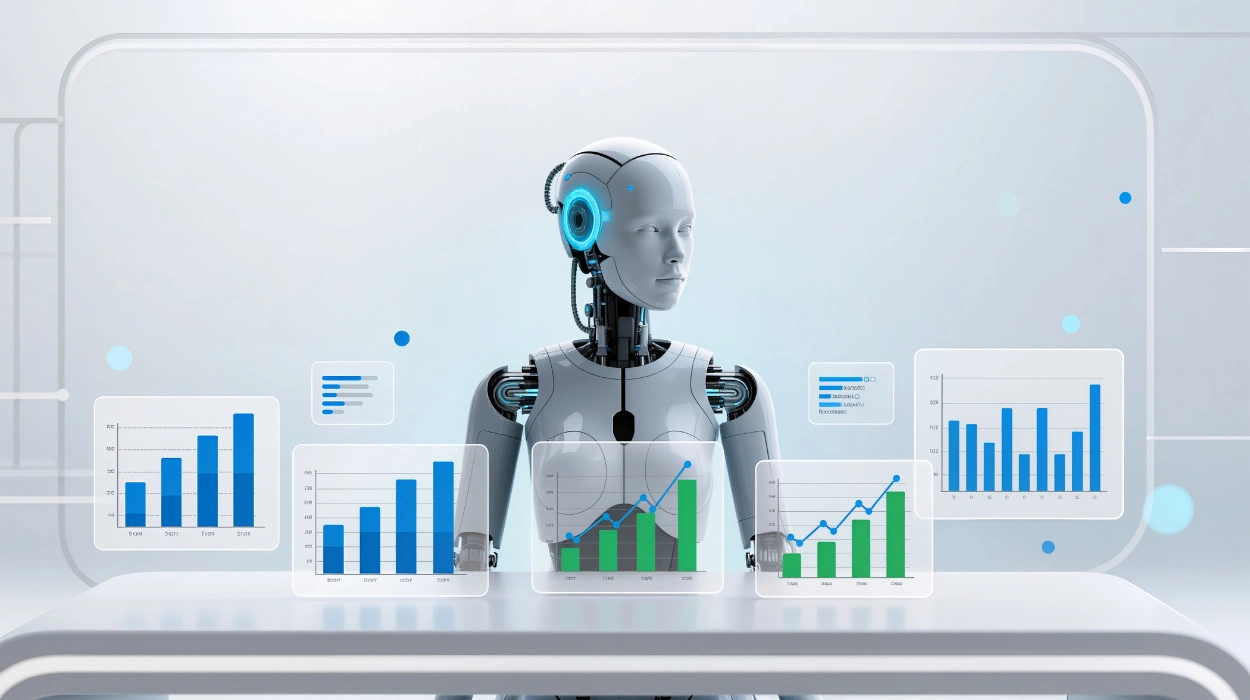
Marketing in the modern era is no longer driven solely by intuition or traditional methods. With the surge of digital channels and increasing customer expectations, AI in marketing has emerged as a game-changer. Leveraging data-driven marketing strategies allows businesses to optimize campaigns, personalize customer experiences, and significantly improve conversion rates.
From predictive analytics to marketing automation, AI is transforming how brands reach and engage their audiences. This blog explores the practical applications of AI in marketing, its benefits for improving sales and conversions, and strategies for integrating AI-driven tools effectively.
Understanding AI in Marketing
Artificial intelligence involves the use of algorithms and machine learning to analyze large datasets, identify patterns, and make actionable predictions. In marketing, AI can enhance decision-making, automate repetitive tasks, and deliver personalized experiences to consumers at scale.
Some key functions of AI in marketing include:
- Automating repetitive tasks like email campaigns, ad targeting, and content scheduling
- Analyzing large volumes of customer data to identify trends and preferences
- Predicting customer behavior to improve conversion rates and ROI
- Enhancing personalization and delivering relevant content at the right time
Businesses that implement AI in marketing how data-driven strategies boost conversions are more likely to outperform competitors and achieve measurable growth.
Practical Applications of AI in Marketing
AI is being used across various aspects of marketing to increase efficiency, accuracy, and revenue.
1. Predictive Analytics in Marketing
Predictive analytics in marketing uses AI to forecast customer behavior, segment audiences, and anticipate future trends. By analyzing historical data, businesses can identify high-value prospects and tailor campaigns accordingly.
Practical applications include:
- Predicting which leads are most likely to convert
- Determining optimal pricing strategies
- Forecasting customer churn and implementing retention strategies
This data-driven approach ensures marketers make informed decisions that directly impact conversions.
2. Marketing Automation with AI
Marketing automation with AI helps streamline repetitive tasks, saving time while increasing accuracy. AI tools can automatically segment audiences, send personalized messages, and optimize campaign delivery based on real-time performance data.
Key benefits include:
- Automated email campaigns with personalized content
- AI-driven social media posting for maximum engagement
- Intelligent ad targeting based on user behavior and preferences
By leveraging AI tools for digital marketing, companies can maintain consistent communication with their audience while optimizing resources.
3. Personalized Customer Experiences
AI enables customer-centric marketing by analyzing behavior, preferences, and interactions to deliver highly personalized experiences.
Examples include:
- Product recommendations based on previous purchases or browsing history
- Dynamic content tailored to the interests of each user
- Personalized email subject lines and offers to increase open and click-through rates
These techniques significantly improve conversions with AI, creating stronger engagement and customer loyalty.
4. Chatbots and Virtual Assistants
AI-powered chatbots and virtual assistants enhance the customer experience while supporting marketing efforts.
Applications include:
- Answering customer queries in real-time
- Guiding users through the sales funnel
- Collecting valuable customer data for future campaigns
By integrating AI-driven marketing tools to increase ROI, companies can reduce response times, improve user satisfaction, and capture leads more effectively.
5. AI in Content Marketing
AI analyzes content performance and audience engagement to optimize marketing strategies. Tools powered by AI can:
- Generate relevant content suggestions
- Identify trending topics in specific markets
- Predict content formats that will maximize engagement
This ensures marketing efforts are aligned with consumer interests and helps drive higher conversions.
6. Ad Campaign Optimization
AI enhances the performance of paid marketing campaigns by analyzing real-time data and making adjustments automatically.
Benefits include:
- Dynamic bidding and ad placement to maximize ROI
- Audience segmentation for targeted ad delivery
- Continuous A/B testing of creatives and messaging
Through using AI to optimize marketing campaigns and sales, businesses achieve better results with fewer resources.
Benefits of AI in Marketing
The integration of AI in marketing delivers tangible benefits that extend across multiple areas of business operations.
1. Increased Conversion Rates
By leveraging predictive analytics, personalized campaigns, and automation, AI helps convert prospects into paying customers more efficiently.
2. Cost Efficiency
AI reduces manual effort, optimizes ad spend, and identifies high-performing strategies. This results in lower costs per acquisition and improved return on marketing investment.
3. Enhanced Customer Insights
AI analyzes large datasets to uncover patterns that may not be visible through traditional methods. Businesses gain actionable insights into customer behavior, preferences, and market trends.
4. Real-Time Decision Making
AI tools provide real-time analytics and recommendations, enabling marketers to adapt strategies quickly to changing market conditions.
5. Scalable Marketing Operations
AI allows businesses to scale marketing efforts without proportionally increasing resources. Automation and intelligent algorithms make large-scale campaigns more manageable.
Best Practices for Implementing AI in Marketing
To maximize the impact of AI-driven marketing, businesses should follow these best practices:
1. Define Clear Objectives
Identify the specific goals AI will help achieve, such as increasing conversions, improving lead nurturing, or optimizing ad campaigns.
2. Focus on Data Quality
AI depends on clean, accurate, and comprehensive data. Ensure customer data is properly collected, structured, and maintained.
3. Select Appropriate Tools
Choose AI platforms and tools that align with business goals. Popular options include predictive analytics software, marketing automation platforms, and AI-powered content tools.
4. Train Marketing Teams
Equip your team with the knowledge to interpret AI insights and integrate them into marketing strategies effectively.
5. Monitor and Adjust
Continuously track AI performance using key KPIs such as conversion rates, engagement metrics, and ROI. Refine strategies based on results to optimize outcomes.
Challenges of AI in Marketing
While AI provides substantial benefits, there are challenges to consider:
- Data Privacy and Compliance: Ensure compliance with GDPR and other regulations when collecting and analyzing customer data.
- Integration with Existing Systems: AI solutions must seamlessly connect with current marketing platforms.
- Cost and Resource Investment: AI tools may require significant investment and technical expertise.
- Change Management: Teams need to adapt to AI-driven workflows and trust algorithmic recommendations.
Addressing these challenges ensures successful AI adoption in marketing operations.
Real-World Examples
- E-commerce companies using AI for personalized product recommendations, boosting online sales.
- SaaS businesses applying predictive analytics to identify high-conversion leads and optimize nurturing campaigns.
- Global brands leveraging AI-driven social media analytics to refine campaign strategies and maximize engagement.
These examples demonstrate how data analytics and AI for better marketing decisions can enhance marketing performance and conversions.
Conclusion
AI in marketing is transforming the way businesses interact with customers, optimize campaigns, and drive revenue. By implementing AI-driven marketing tools to increase ROI, companies can improve personalization, automate processes, and make informed, data-driven decisions.
For marketers seeking advanced skills in AI and its applications, the Oxford Training Centre offers specialized Artificial Intelligence Training Courses. These courses provide practical knowledge on AI in marketing how data-driven strategies boost conversions, enabling professionals to leverage AI tools, predictive analytics, and automation to maximize marketing performance and sales growth.